Dark Souls III vs Lies of P: What Makes Their Boss Fights Different?
 By Saga Nygren
Dark Souls III and Lies of P are two of the most demanding boss-driven games in the soulslike genre, but they deliver that challenge in very different ways. FromSoftware’s classic is built on reading enemy archetypes and punishing aggression. Lies of P, developed by Neowiz, is a tighter, more rhythm-based experience that forces you to master one specific defensive mechanic before anything else. If you’re deciding which to play next, visit Gamepriceradar to compare Dark Souls III Steam key prices and Lies of P across multiple sellers and find the best deal.
Quick Comparison
| Dark Souls III | Lies of P | |
| Core defense | Dodge roll + stamina | Perfect Guard (parry) |
| Phase transitions | Common | Near-universal |
| Summons | NPC phantoms | Specters (Star Fragments) |
| Boss rewards | Boss Souls → weapons/spells | Rare Ergo → weapons/amulets |
| Difficulty curve | Wide and varied | Steep and consistent |
The Core Defensive Philosophy
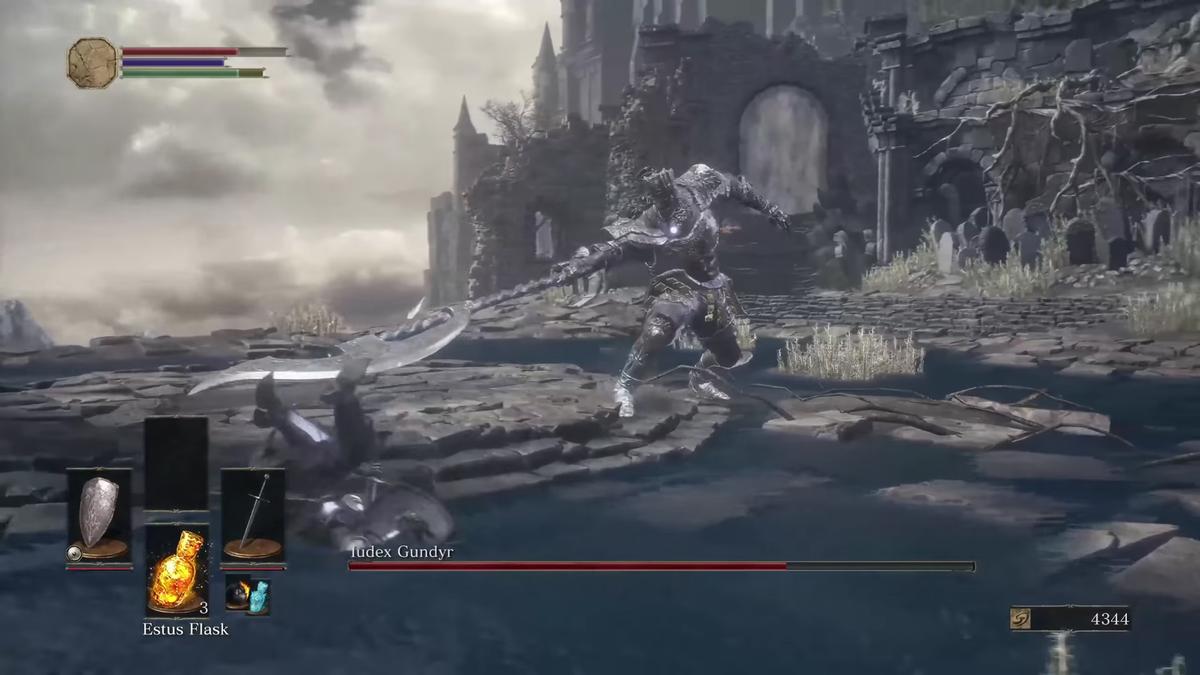
This is where the two games split most sharply. Dark Souls III centers its boss combat around the dodge roll. Every roll has a window of iframe invincibility, and learning to time it — not just mash it — is the foundation of every boss fight in the game. Stamina management adds a layer of tension: roll too much and you’re left wide open.
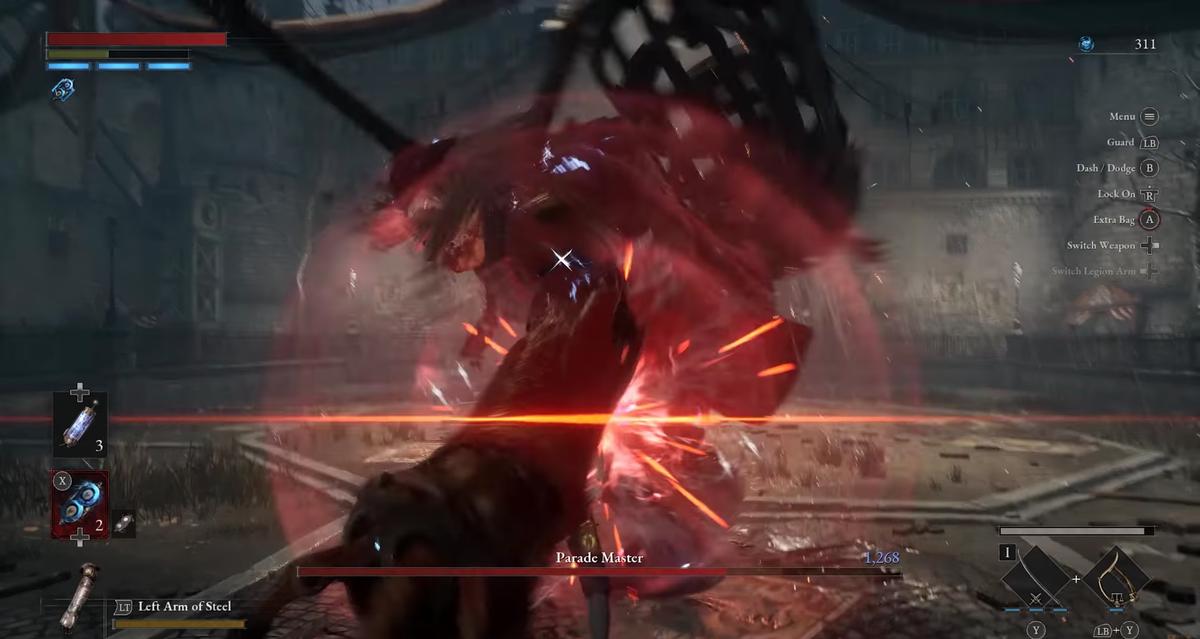
Lies of P replaces that with the Perfect Guard, a timed block that deflects attacks if executed in the precise moment of impact. Standard dodging exists but it’s deliberately underpowered. The game is designed so that leaning on dodge alone will get you killed. You’re expected to learn each boss’s rhythm and meet their attacks head-on, not dance around them. It’s a more confrontational style of defense, and it demands more precision.
Boss Design and Phase Transitions
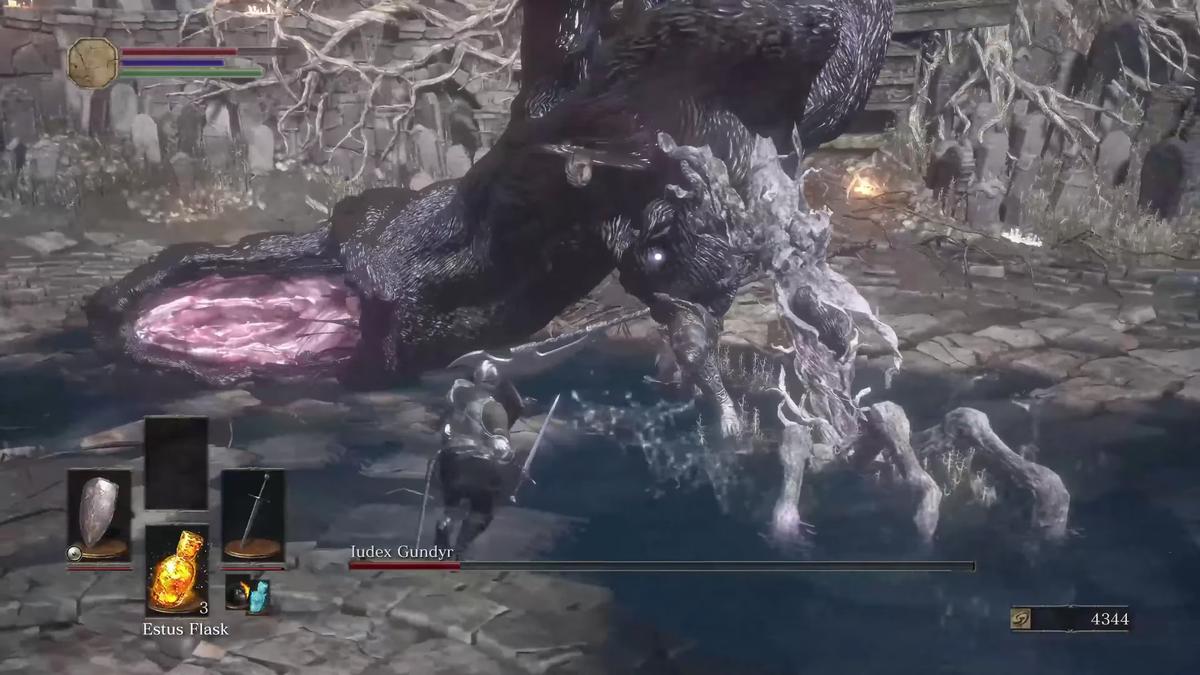
Dark Souls III bosses are designed with spectacle and variety in mind. Iudex Gundyr eases you in. Pontiff Sulyvahn punishes greedy aggression with a shadow clone in his second phase. Nameless King is a two-stage fight where you first take on a wyvern before the real battle begins. Each boss tests something different — spacing, aggression timing, parry windows, or environmental awareness.
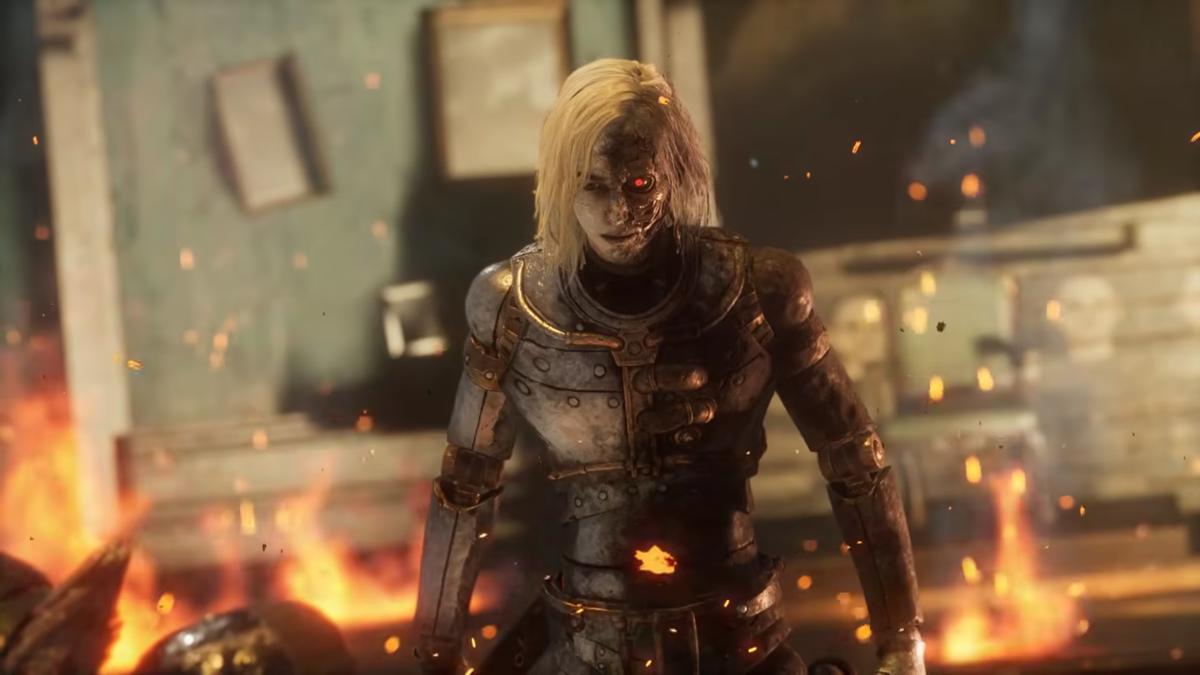
Lies of P leans harder into mid-fight transformations. Almost every major boss will fully replenish its health bar during a transition and shift into an entirely new attack set. King of Puppets becomes Romeo, King of Puppets mid-fight, changing his moveset completely. Fallen Archbishop Andreus goes from a manageable encounter to a nightmare across two massive health bars. These transitions aren’t just visual — they reset the fight and demand you adapt on the spot.
Boss Rewards and Progression
Both games link how many bosses you have beaten to your level, but the system is distinct.
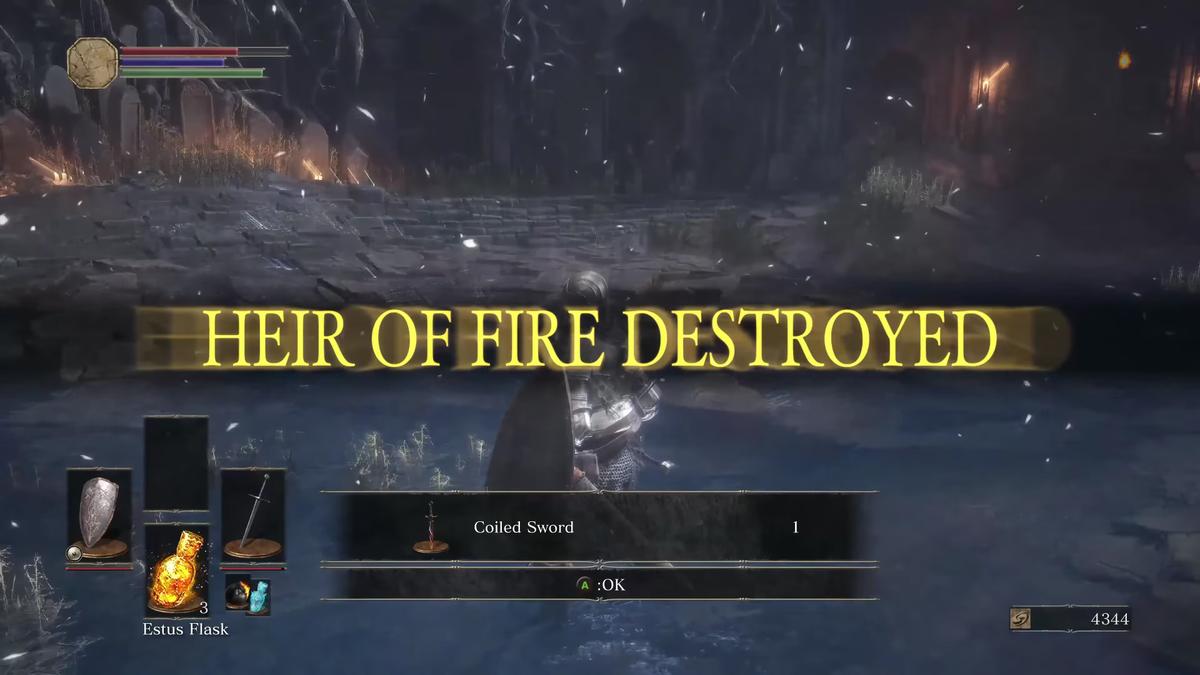
Dark Souls III consuming a Boss Soul after defeating a boss in Dark Souls III will result in the boss dropping their soul, which you can then exchange for new and powerful spells or weapons at Ludleth of Courland using Soul Transposition. Plus you get the Ember refill, which temporarily increases your max HP. The rewards seem more fitting in Dark Souls, you're consuming the power of what you defeated.
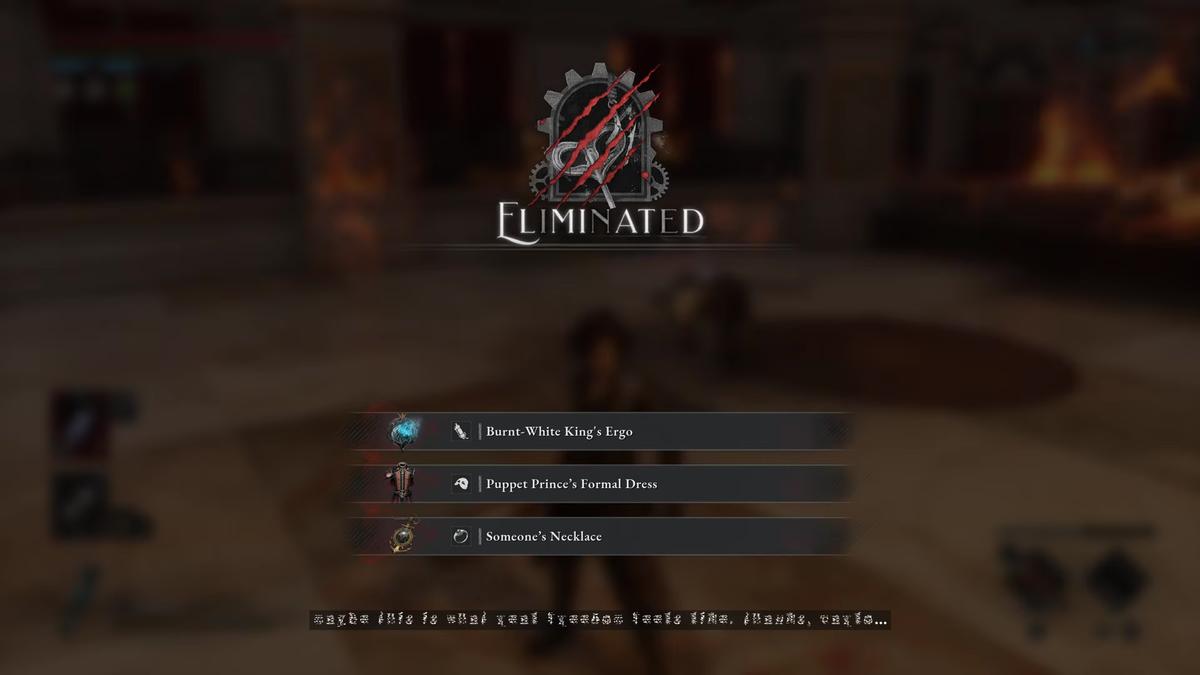
In Lies of P, bosses drop Rare Ergo, which you trade to the merchant Alidoro for special weapons and amulets. You also collect Quartz for upgrading your P-Organ, a passive ability tree. The system is cleaner and more streamlined — rewards flow directly into a structured upgrade path rather than branching into a wide crafting system.
Summons and Co-op
You can summon other players and NPCs as "golden phantoms" in front of bosses in Dark Souls III. You can summon Sirris of the Sunless Realms, Anri of Astora, and Sword Master to help you with some fights, but it also varies given how deep you are in their questlines.
Lies of P keeps things single-player but offers Specters, spirit companions summoned using Star Fragments at the basin outside each boss arena. They’re a meaningful tactical option — using one on a brutal two-phase boss like Laxasia the Complete or Simon Manus, Awakened God can be the difference between a clean win and twenty more attempts. Unlike DS3 phantoms, they disappear the moment the boss dies.
Which One Is Right for You?
Go for Dark Souls III if you're looking for a massive, open soulslike experience with a lore-rich world, a huge collection of bosses, and player agency to explore on your own terms. Its battles, which favor patience and good positioning, feature familiar tropes you'll come to respect by the end of your run.
Choose Lies of P for a more precise and relentless challenge. The linear, combat-focused gameplay will satisfy players who want to conquer the game's bosses that reward reading and reacting, instead of relying on muscle memory from other games, with swift attacks and fast phase transitions.
Conclusion
Both games deliver on what a great soulslike should feel like, but they earn it differently. Dark Souls III gives you a vast world to get lost in, with bosses that challenge your adaptability across wildly different encounters. Lies of P strips that back and puts everything on the line in each fight — one mechanic, fully committed, no shortcuts. Whichever direction you lean, both are worth playing. Head to Gamepriceradar and compare Dark Souls III Steam key prices and Lies of P to find the best deal across multiple sellers before you buy.
Games Mentioned
Related Articles
Dark Souls II vs Dark Souls III: What Changed Between the Two Games?
guides
Is SILENT HILL: Townfall Worth Buying? Gameplay Experience & What to Expect
guides
Castlevania: Belmont's Curse vs Symphony of the Night: What's Changed
guides
Minecraft Dungeons II Gameplay Experience: Combat, Gear & Exploration
guides