Castlevania: Belmont's Curse vs Symphony of the Night: What's Changed
 By Sofia Karlsson
Castlevania: Belmont's Curse is set to be released on October 15, 2026. And many fans have been comparing it to the 1997 classic game: "Castlevania: Symphony of the Night", which has been the inspiration behind most of the metroidvania style of video games. Both of the games have got similar concepts, but Belmont's Curse also puts a slight twist on the concept. If you are planning to get the game, visit PriceRadar to compare Castlevania: Belmont’s Curse steam key prices across various sellers.
Different Main Protagonist
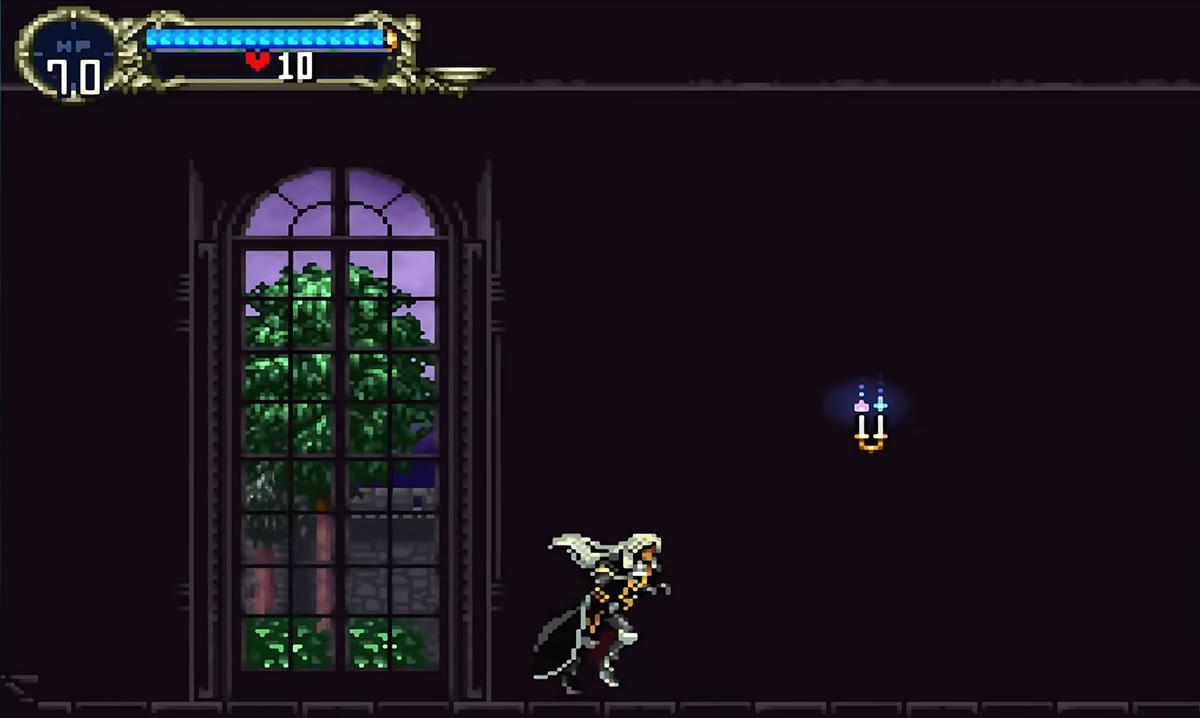
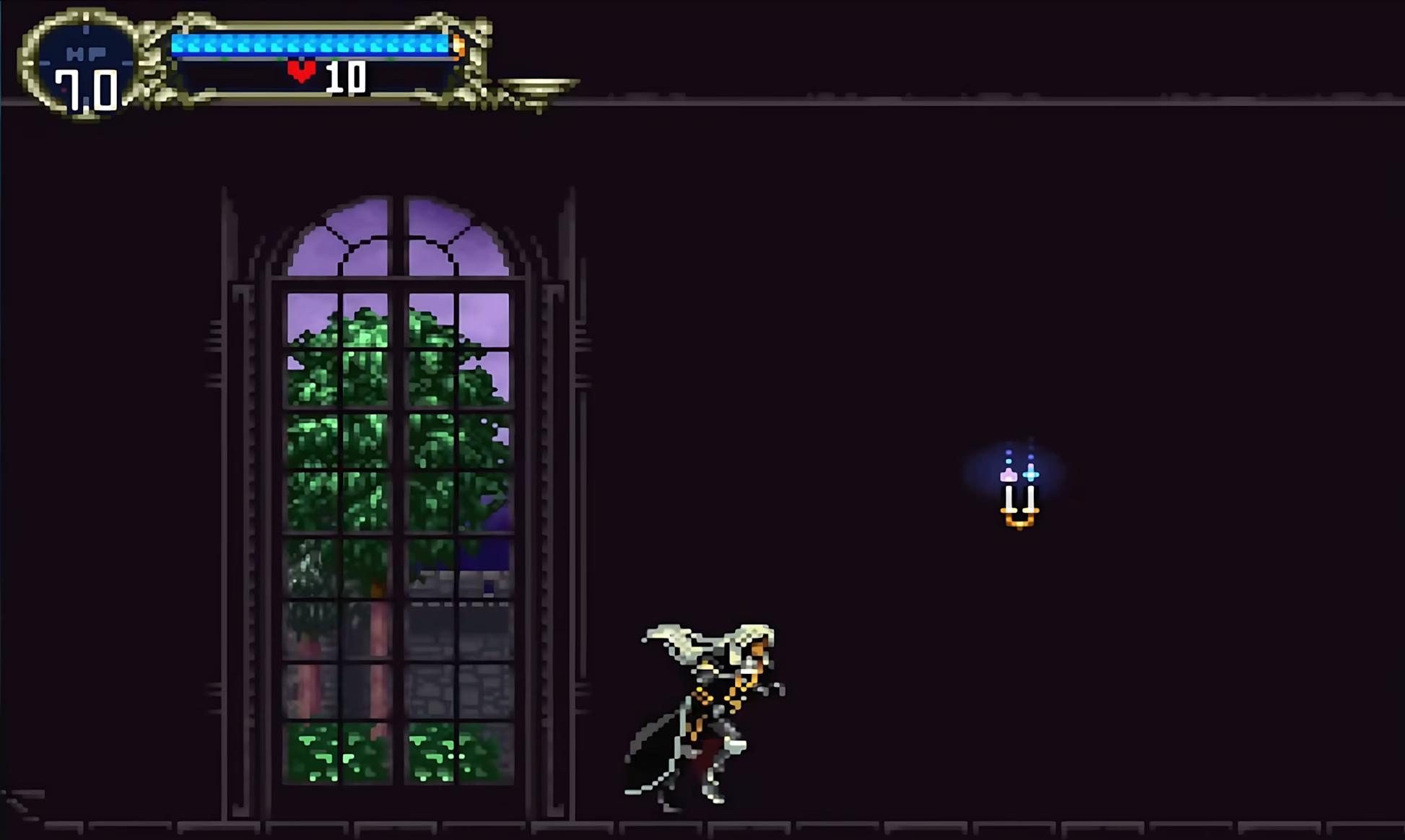
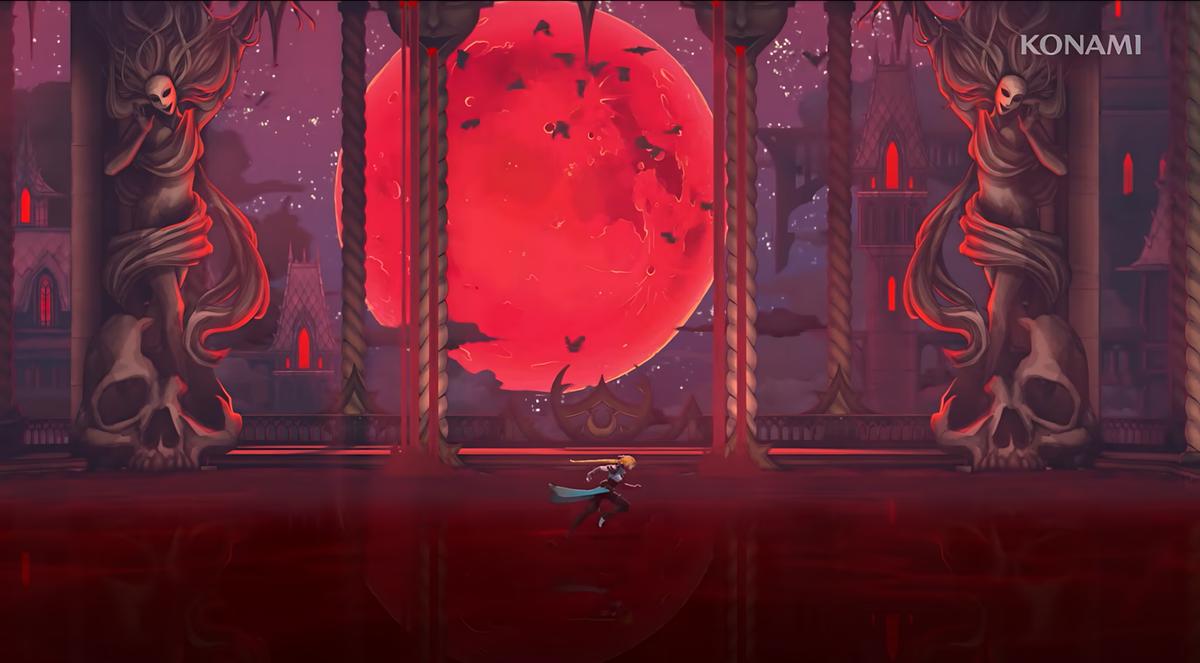
In Symphony of the Night, the main character is "Alucard", the son of Dracula who is a dhampir, as he explores his father's castle to stop him from regaining his former glory or powers. Meanwhile, In Belmont's Curse, the main character is different, but instead the game focuses on Rose Belmont, the daughter of Trevor Belmont and Sypha Belnades, two popular characters from Castlevania III: Dracula's Curse. Rose is different from Alucard, as she shares her family name and the curse of Dracula in her right arm.
The Setting Has Changed
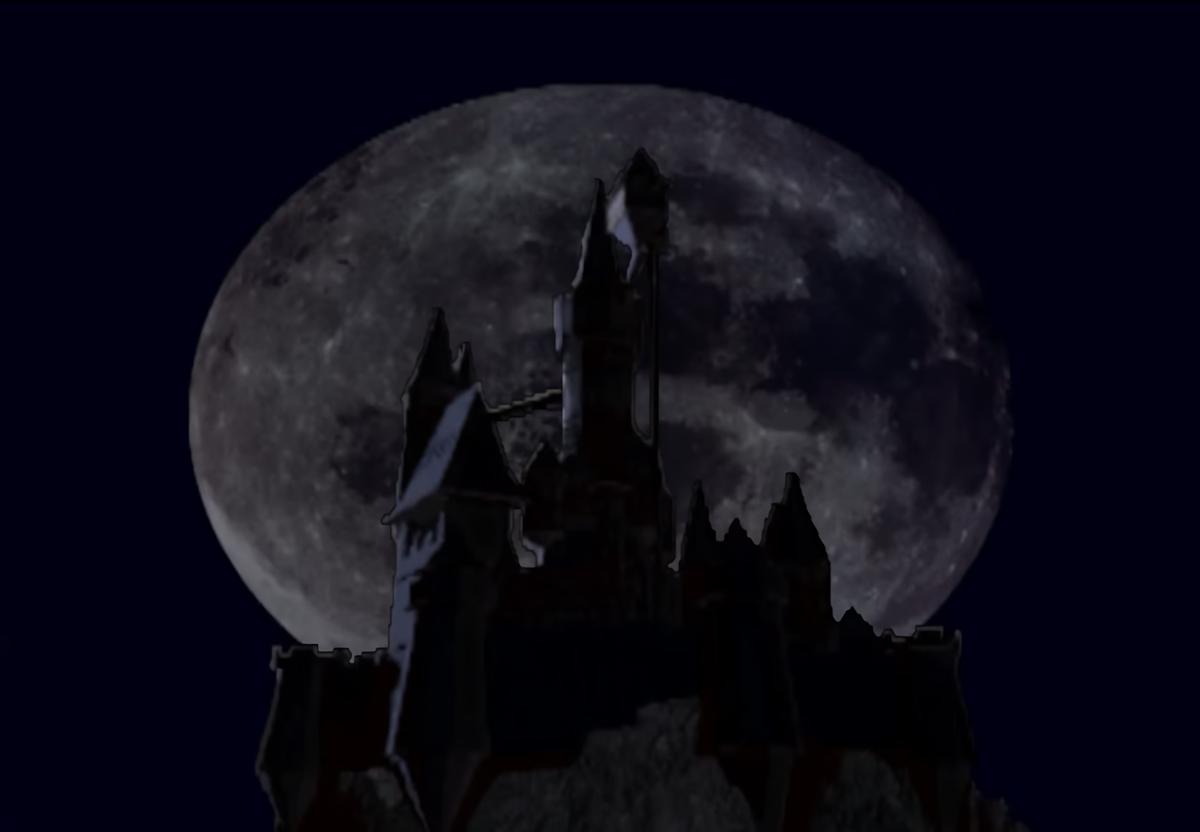
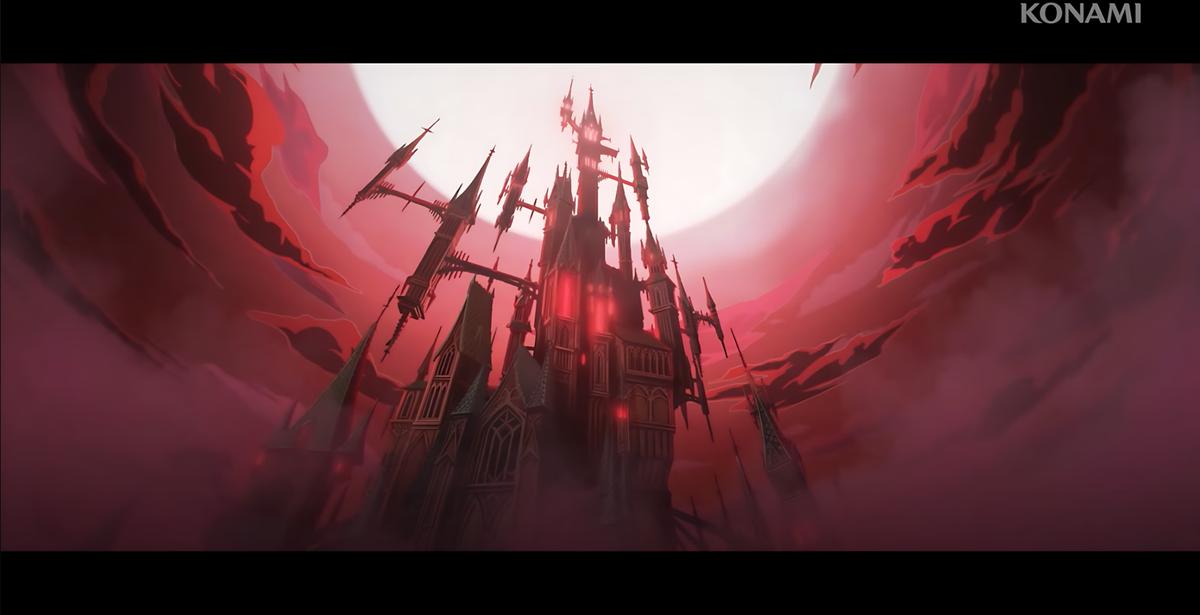
Symphony of the Night takes place inside Dracula's castle, which returns after Richter Belmont's disappearance. Now, Belmont's Curse continues the story in 1499, 23 years after Dracula's Curse. This time, the castle does not appear in its usual location. Instead, it manifests directly in the heart of Paris. Players will explore both the castle and the burning streets of Paris around it, which gives Belmont’s Curse a city setting that Symphony of the Night did not have.
Different Starting Weapon
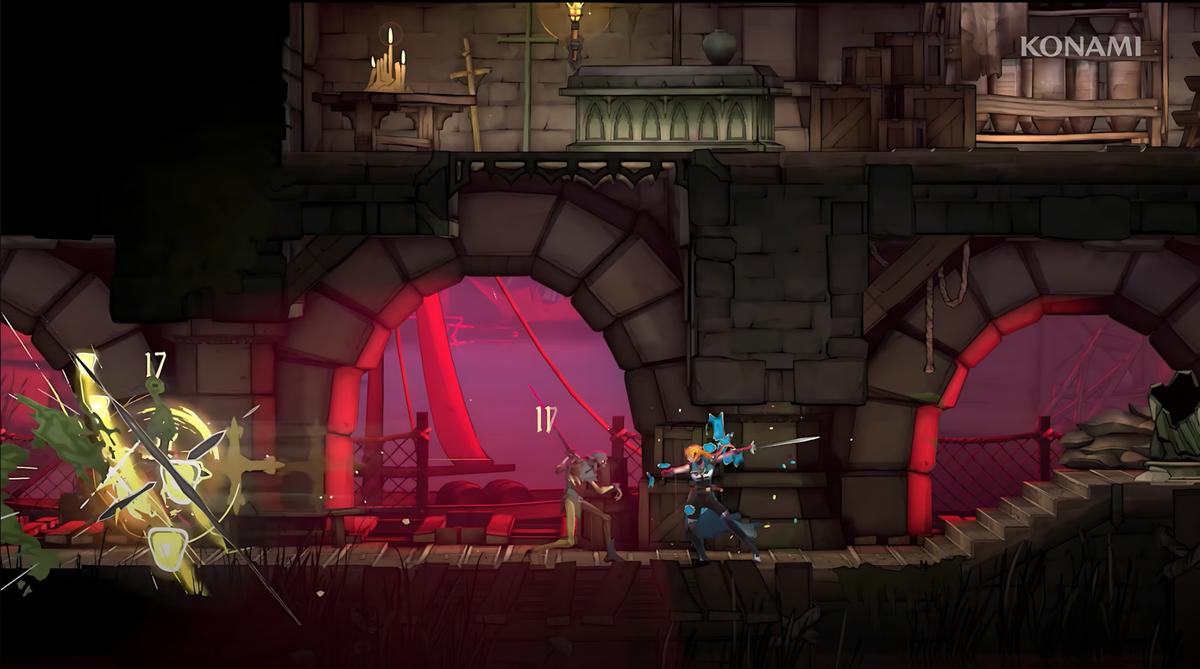
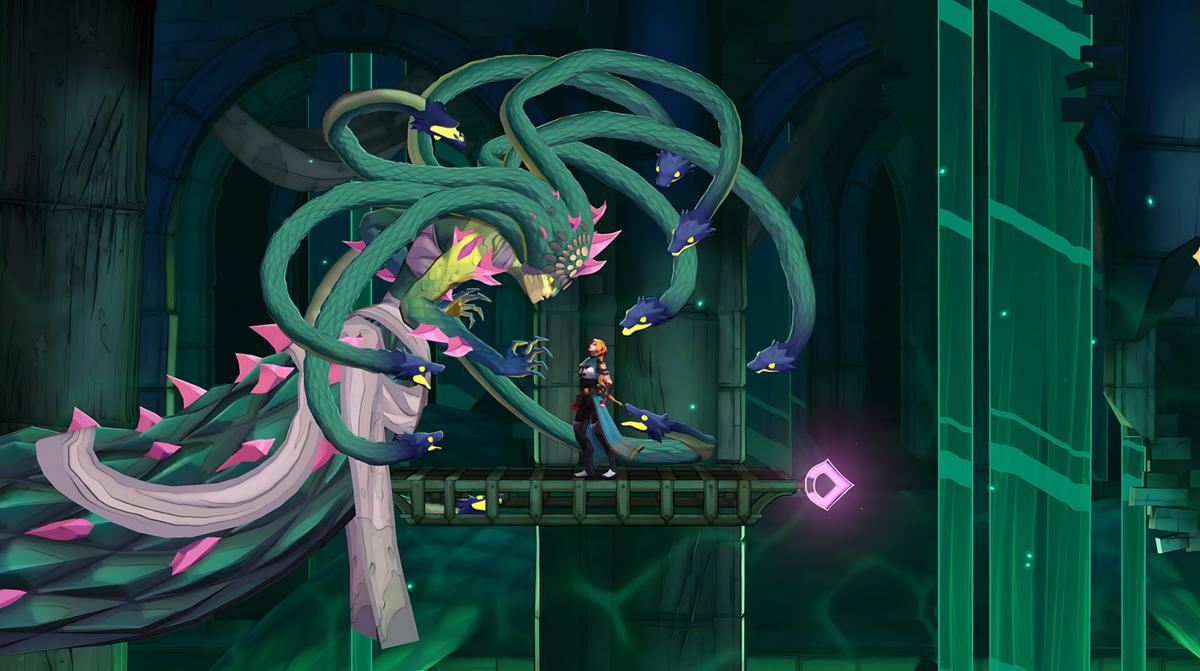
One of the more interesting details from hands-on previews is that Rose Belmont does not start the demo with a whip. She begins with a sword and several Arcana abilities, then receives her whip after defeating the first boss, The Fallen. Sources do not agree on the whip’s name, with some calling it the Vampire Killer and others calling it the Arcana Whip. What is clear is that it works as both a weapon and a grapple, letting Rose swing from anchor points to cross gaps. In most older Belmont games, the whip is handed to the player right away, so this is a clear change.
Movement and Combat
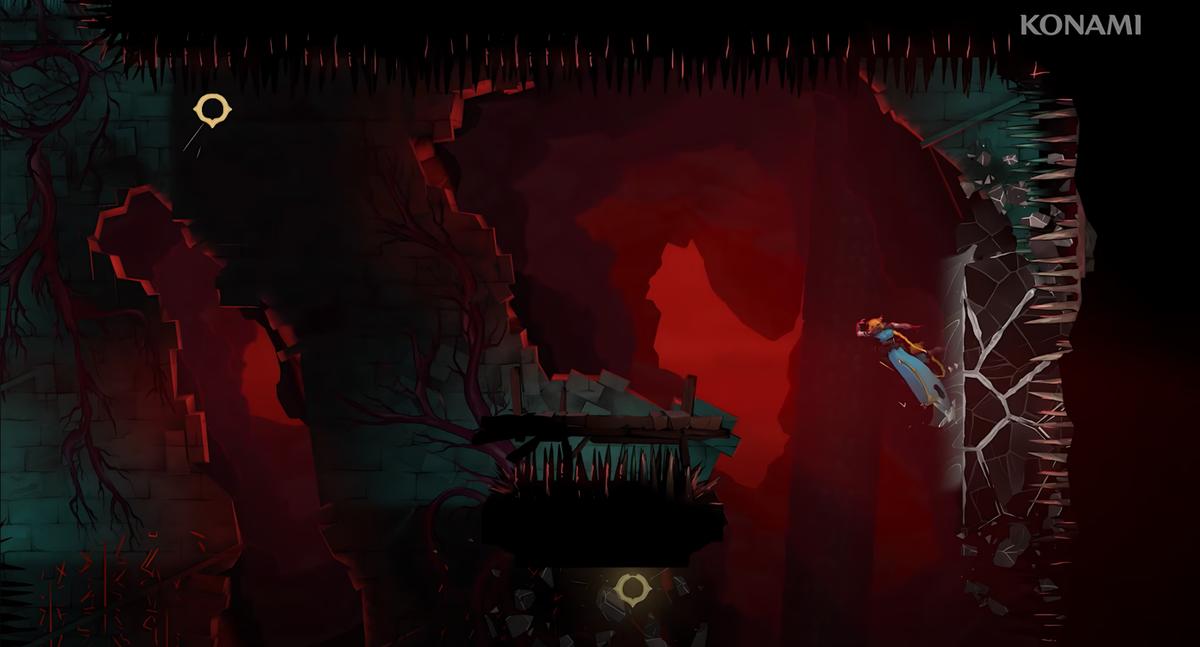
Castlevania: Symphony of the Night popularized the move “backdash”, a quick dodge move that became a staple of the series. Castlevania: Belmont’s Curse brings it back. Rose can dodge and slide with one button, and a double tap turns the dodge into a backflip. The balanced longsword even deals extra damage when used right after a backdash. Rose can also wall jump from the start of the game. The team took inspiration from Super Castlevania IV’s whip, which can be aimed in many directions, and updated it for smoother movement around the map.
Magic and RPG Systems
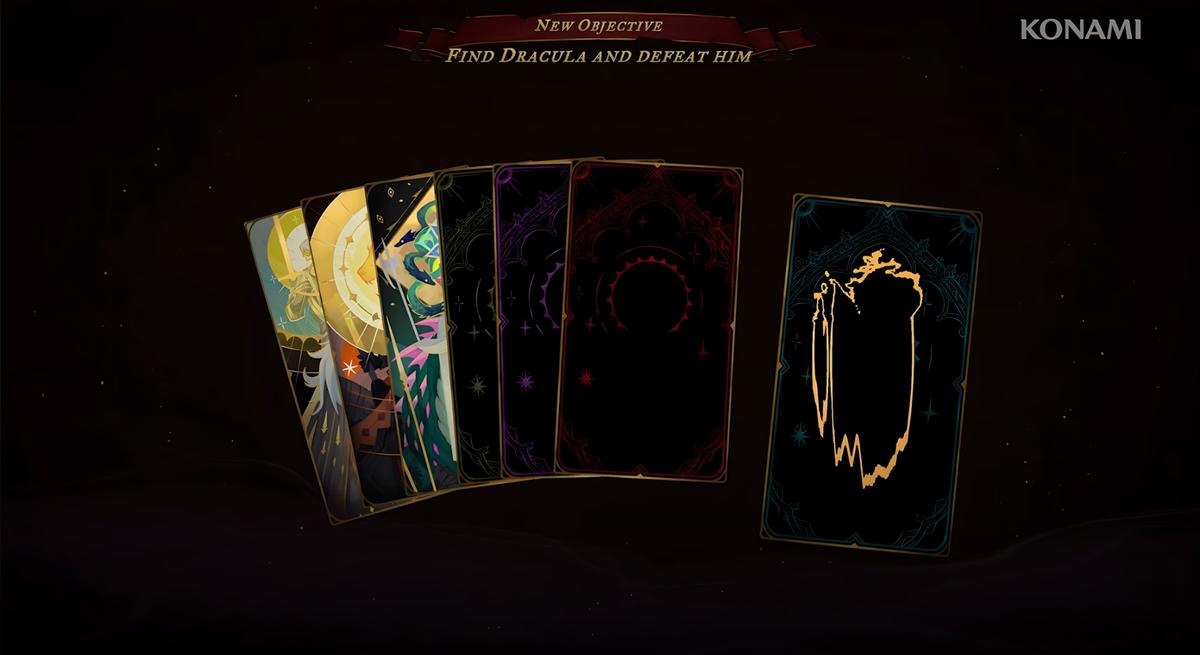
Castlevania: Symphony of the Night introduced strong RPG elements to the series, including an inventory system, character leveling, equipment, and relics that granted Alucard new abilities. Castlevania: Belmont’s Curse builds on this idea with a tarot and Arcana theme. When Rose defeats a boss, she seals it into one of her tarot cards, which gives her a new spell or a new special ability. Some of these abilities also help her reach the places she couldn't reach before. Rose can also equip Relics, which add extra effects, such as fully restoring health and mana when she opens a chest.
The developers have said that Aria of Sorrow and Circle of the Moon helped shape the spell and tarot system, while Symphony of the Night was a broader guide for the game’s structure. Spells in Belmont’s Curse use mana, and Rose recovers mana by defeating enemies. This is different from Symphony of the Night, where spells used MP and sub weapons used hearts.
How the Map Opens Up
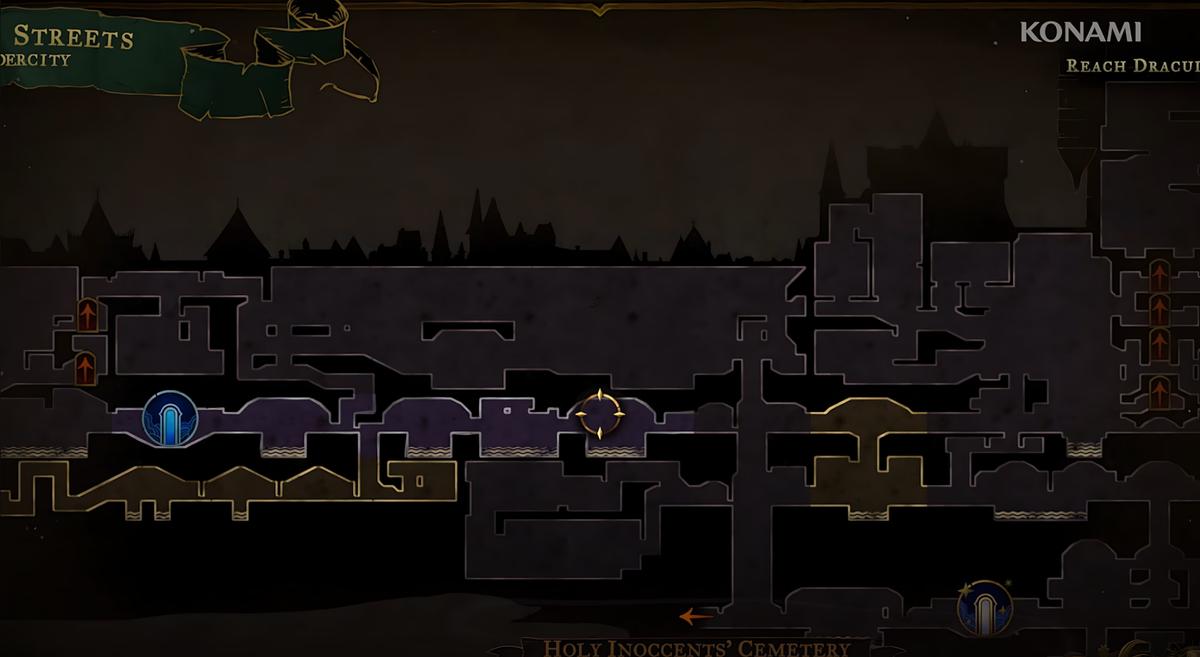
Castlevania: Symphony of the Night is famous for its auto filling map, which became a defining feature of the metroidvania genre. Castlevania: Belmont’s Curse keeps this feature, along with save rooms and fast travel points, so the core exploration loop will feel familiar. Like Symphony of the Night, the game also opens new areas as Rose gains new abilities. On top of that, Belmont’s Curse adds boss keys. Large doorways need a set number of keys, which Rose earns by defeating bosses in the area. This gives each area a clear goal to work toward.
Not a Roguelike
Since Castlevania: Belmont’s Curse is developed by Evil Empire, the team behind Dead Cells, some fans wondered if roguelike elements might sneak into the game. Konami’s Tommy Williams has directly confirmed this is not the case. Belmont’s Curse is a freeform, non-linear action exploration game in the same spirit as classic Castlevania entries, not a roguelike.
A Return to the Series' Roots
Belmont’s Curse is the first mainline Castlevania game since Castlevania: Lords of Shadow 2 in 2014, and the first to return to the classic 2D metroidvania style since Castlevania: Order of Ecclesia back in 2008. For a series that has been quiet for over a decade, Belmont’s Curse represents a real homecoming to the formula Symphony of the Night made famous, while still carving its own identity with a new protagonist, a new setting, and reworked systems built for a modern audience.
Quick Comparison: Belmont’s Curse vs Symphony of the Night
Feature | Symphony of the Night | Belmont’s Curse |
Release | 1997 | 2026 |
Main Character | Alucard, the dhampir son of Dracula | Rose Belmont, daughter of Trevor Belmont and Sypha Belnades |
Setting | Dracula’s castle | A castle that appears in Paris in 1499, plus the surrounding city |
Map | Auto filling map with save rooms | Keeps the auto filling map, save rooms, and fast travel points across Paris and the castle |
Movement | Popularized the backdash | Backdash returns, plus a dodge and slide, wall jumps, and a whip grapple |
Magic and RPG Systems | Inventory, leveling, equipment, and relics | Arcana cards gained from bosses, plus leveling, weapons, and relics |
Magic Resource | Spells use MP and sub weapons use hearts | Spells use mana, recovered by defeating enemies |
Progression | Mostly opened up by new abilities | New abilities, plus boss keys that open large doorways |
Genre Style | Classic metroidvania | Classic style, and not a roguelike despite Evil Empire’s Dead Cells background |
Conclusion
Castlevania: Belmont’s Curse clearly respects where the series came from, keeping the auto filling map, the backdash, and the spirit of exploration that made Castlevania: Symphony of the Night a landmark release. At the same time, it is not afraid to change things up, with a new Belmont protagonist, a Paris setting, a different starting weapon, and a tarot based magic system all giving it its own identity. Fans who grew up with Symphony of the Night should feel right at home, while still finding plenty that is new. If you have decided on getting the game, seller prices vary by platform so consider looking for the best offer across multiple sellers on PriceRadar and compare Castlevania: Belmont’s Curse steam key prices.
Games Mentioned
Related Articles
Castlevania: Belmont's Curse vs Dead Cells: Combat Differences Explained
guides
Dark Souls II vs Dark Souls III: What Changed Between the Two Games?
guides
Nivalis Nights vs DAVE THE DIVER: Business Management & Exploration Compared
guides
Dispatch vs Detroit: Become Human: How Much Do Your Choices Change the Story?
guides