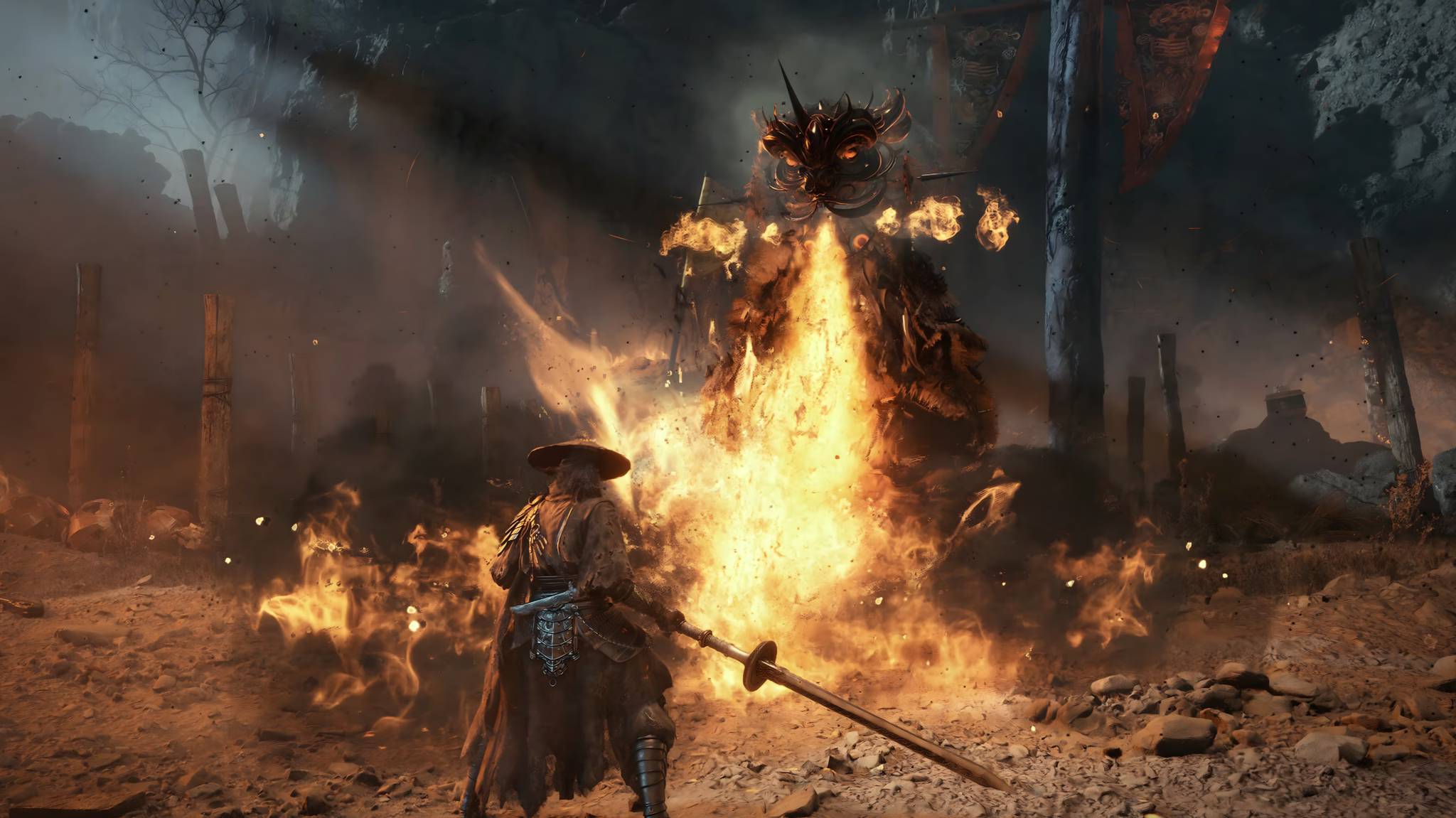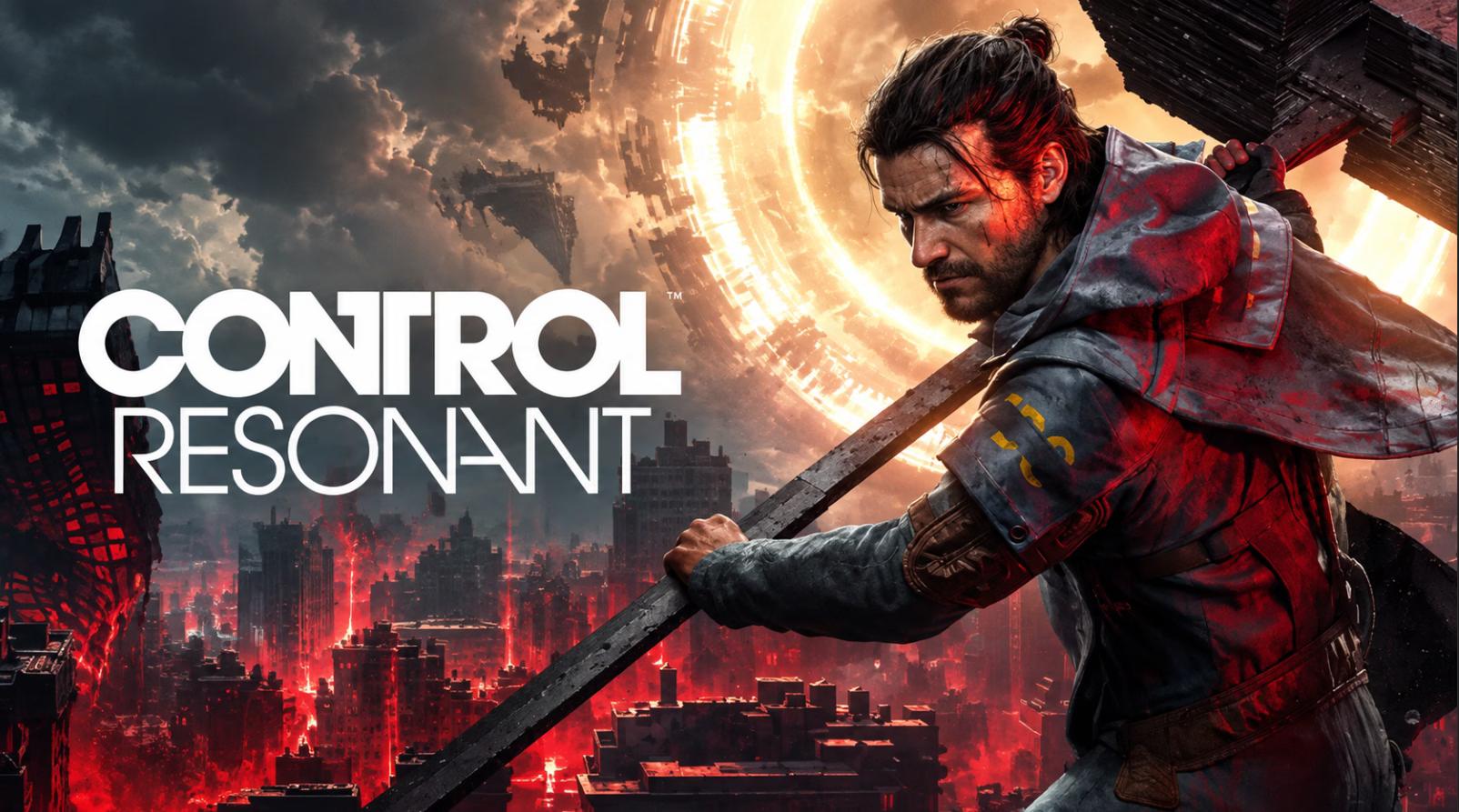
CONTROL Resonant vs Alan Wake 2: Which Remedy Game Should You Play
 By Elias Öberg
Remedy Entertainment has a habit of making games that are difficult to compare with anything else, and CONTROL Resonant makes that comparison even more interesting. The upcoming sequel takes the surreal action of Control in a much more melee-focused direction, while Alan Wake 2 is Remedy's full commitment to survival horror, investigation, and psychological storytelling.
The two games share the same connected universe, but they offer very different experiences. CONTROL Resonant puts Dylan Faden in a warped Manhattan filled with supernatural abilities, shapeshifting weapons, and reality-bending environments. Alan Wake 2 follows FBI profiler Saga Anderson and writer Alan Wake through two connected realities, combining investigation with survival-horror combat.
So if you're deciding which Remedy game to play, the answer mostly comes down to what kind of experience you want.
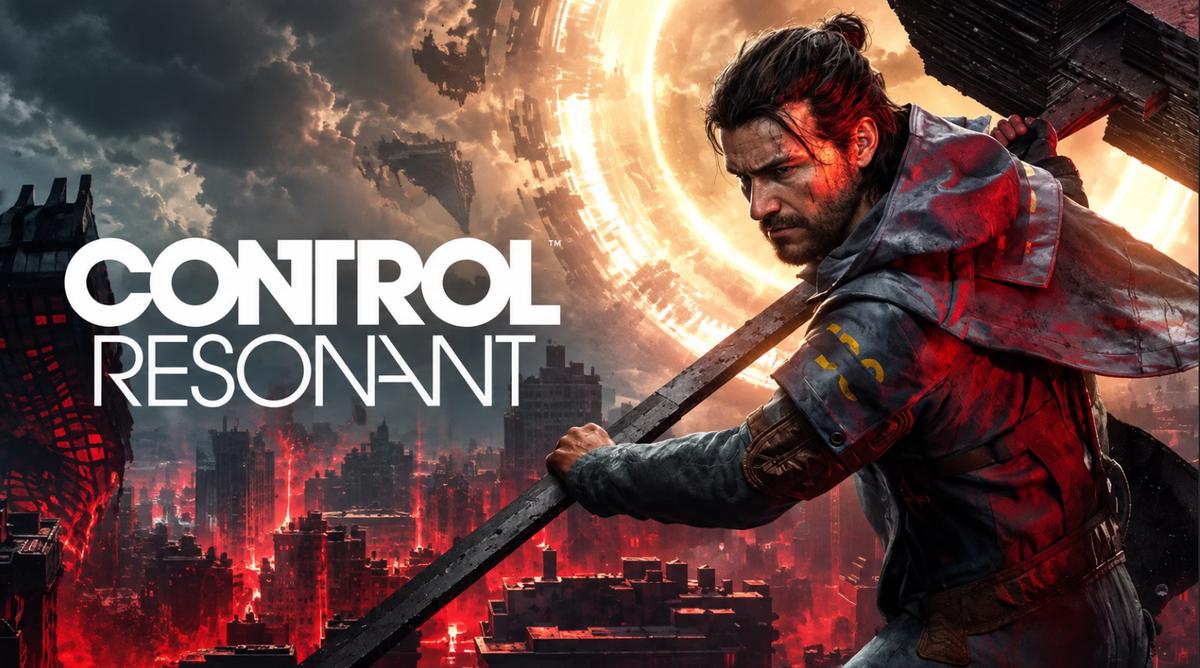
CONTROL Resonant and Alan Wake 2 Take Different Approaches to Gameplay
The biggest difference is the way each game approaches action.
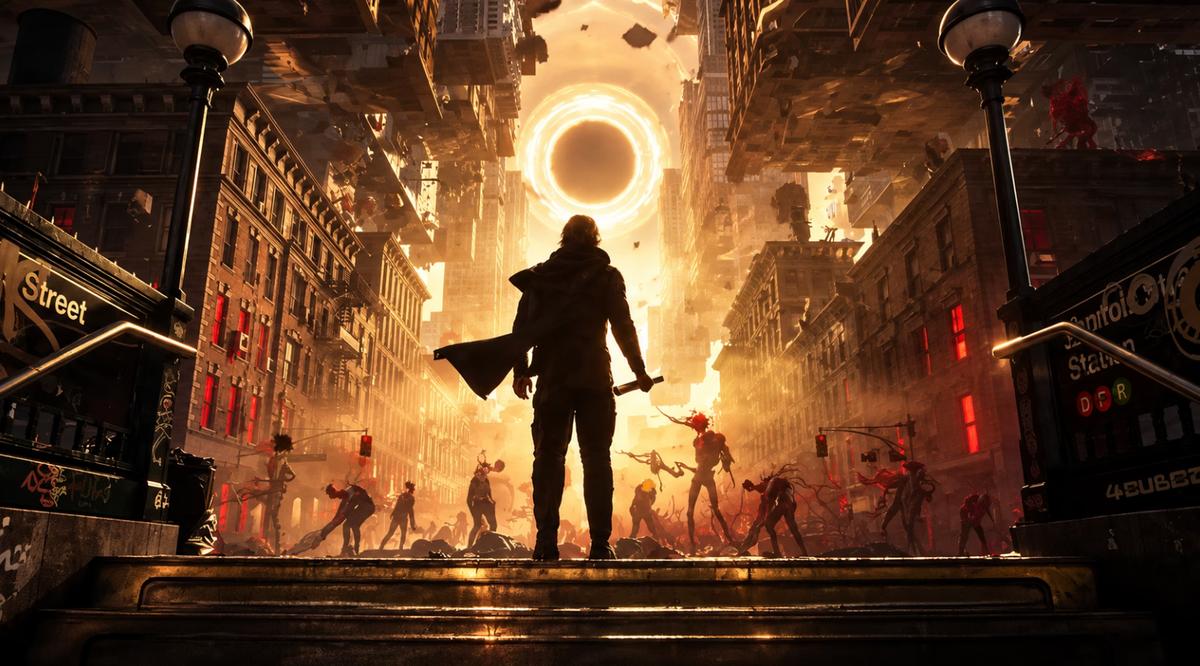
CONTROL Resonant is moving toward a fast, melee-focused action style. Dylan uses the shapeshifting Aberrant weapon alongside supernatural abilities, and Remedy has designed large areas of Manhattan around exploration, combat, optional encounters, and reality-warping traversal. The game also introduces spaces where gravity and orientation can change completely.
That makes CONTROL Resonant feel much closer to a character-action game than the original Control. Hands-on previews have specifically highlighted its melee combat, combos, aerial movement, weapon switching, and skill-tree systems.
Alan Wake 2 takes almost the opposite approach.
It is built around survival horror. Saga and Alan have limited resources, combat is more deliberate, and light remains an important part of dealing with enemies. Saga also investigates the supernatural events around Bright Falls, while Alan's sections take place in the Dark Place.
The result is a very different rhythm.
In CONTROL Resonant, you're likely to spend more time moving aggressively through encounters and experimenting with Dylan's abilities.
In Alan Wake 2, the tension often comes from wondering whether you have enough ammunition, whether something is waiting around the next corner, and whether you should fight or conserve your resources.
If you're looking for constant supernatural action, CONTROL Resonant is the more obvious direction. If you want slower pacing and sustained horror tension, Alan Wake 2 is built around that experience.
Which Game Has the Better Combat?
This is probably the easiest category to separate.
CONTROL Resonant is designed around combat as one of its central attractions. Dylan's Aberrant weapon can change forms, while his supernatural abilities and movement options allow encounters to be approached from different angles. Remedy has also added skill trees and other progression systems that let players develop their preferred combat style.
The original Control was already known for chaotic combat involving firearms, telekinesis, and environmental objects. CONTROL Resonant is taking that idea in another direction by putting melee combat and weapon transformation much closer to the center of the experience.
Alan Wake 2 deliberately doesn't give the player that kind of power fantasy.
Its combat is built around survival. Light can also be used to weaken enemies before they can be damaged, and supplies and ammo must be used wisely. Light can also have an advantage over resources such as ammo and other supplies.
That difference is important.
If you want to feel powerful and experiment with abilities, CONTROL Resonant is designed around that fantasy.
If you want combat to make you nervous because you aren't sure whether you have enough resources for the next encounter, Alan Wake 2 takes that approach instead.
CONTROL Resonant Is More Focused on Movement and Exploration
Another major difference is how the two games use their environments.
CONTROL Resonant is set in a warped Manhattan, consisting of vast areas hosting side activities, secret encounters and optional exploration. Dylan's powers enable him to traverse environments with no regard for the usual laws of physics, such as Gravity Anomalies in which even your plane of orientation can shift.
That gives exploration a much more active role.
The environment isn't simply somewhere you walk through between missions. It can become part of the challenge, combat arena, and puzzle.
Alan Wake 2 also has explorable areas, particularly around Bright Falls, Cauldron Lake, and Watery, but exploration serves a different purpose. You're often looking for clues, resources, optional discoveries, and pieces of the larger mystery.
Saga's investigation system is especially important here. Her Mind Place gives her a space to organize evidence and connect clues, reinforcing the game's detective side.
So the distinction is fairly clear:
CONTROL Resonant: explore because the world itself is a supernatural playground.
Alan Wake 2: explore because there may be a clue, resource, secret, or piece of the mystery waiting for you.
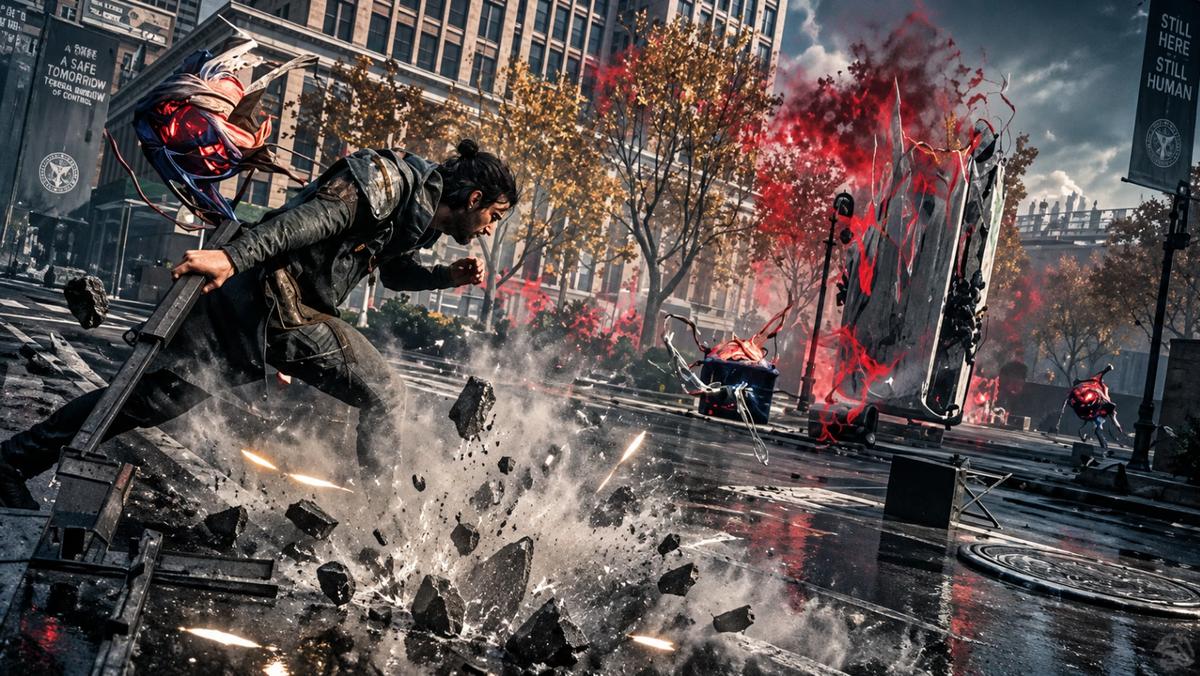
Which Game Has the Stronger Horror Experience?
If horror is your main reason for playing, Alan Wake 2 is the more straightforward choice.
Remedy explicitly developed it as its first survival-horror game, with the genre informing its atmosphere, pacing, storytelling, and gameplay.
The game frequently gives you quiet stretches before suddenly putting you into dangerous situations. Limited resources and darkness create tension without requiring constant combat.
CONTROL Resonant certainly has disturbing imagery and supernatural horror, but its gameplay is much more action-oriented. Dylan has considerably more freedom to fight back, and the emphasis on melee abilities and supernatural powers changes the emotional dynamic.
You're not simply trying to survive an encounter. You're also trying to master it.
That's a significant distinction.
Alan Wake 2 asks, “Can you survive what is coming?”
CONTROL Resonant is more interested in asking, “What can you do with the strange powers you've been given?”
Story and Characters Are Different Kinds of Experiences
The stories also have very different structures.
CONTROL Resonant follows Dylan Faden as he's trying to find his missing sister Jesse in the middle of a supernatural crisis in Manhattan. Remedy refers to it as an action-adventure RPG, and notes that it's both a continuation of the story of Control and an entry point to the franchise.
So new players, or people who want to jump into the series at this entry point, will have enough to go on from the story of Control, while existing players get more lore to take in.
Alan Wake 2 is more heavily built around mystery.
Saga Anderson arrives in Bright Falls to investigate ritual murders, while Alan Wake remains trapped in the Dark Place and attempts to write his way out. Their stories take place in separate realities but gradually connect.
You can switch between the two characters at designated points, giving the narrative two perspectives on the same supernatural crisis.
If you enjoy detective stories, unreliable reality, psychological horror, and mysteries that slowly reveal themselves, Alan Wake 2 has a lot to offer.
If you prefer supernatural action and want to explore the wider Remedy universe through Dylan's perspective, CONTROL Resonant takes a more action-oriented route.
Which One Has More Variety?
This depends on what you mean by variety.
CONTROL Resonant appears to offer more variety in combat and movement. Dylan's weapon can change forms, his supernatural abilities affect traversal, and the game includes large zones with optional activities and encounters.
Alan Wake 2 offers more variety in storytelling and atmosphere.
You move between Saga and Alan, the real world and the Dark Place, detective investigation and survival horror, conventional environments and increasingly surreal spaces.
Both games are experimenting with different kinds of variety rather than simply throwing a huge number of mechanics at the player.
Which Game Should You Play First?
If you haven't played either game, there isn't necessarily a single correct starting point.
Alan Wake 2 is designed as a standalone experience, according to Remedy's official FAQ, so you don't have to play the original Alan Wake first to understand it. The same FAQ explains that previous Control knowledge is useful for discovering connections, but isn't presented as an absolute requirement.
CONTROL Resonant is also being positioned as an entry point for newcomers. Remedy describes it as both a sequel and a new entry point into the series.
That said, playing the earlier games can add considerably more context.
If you're interested in the connected Remedy universe and want to understand its recurring characters, organizations, and supernatural concepts, playing the earlier titles first can make those connections more meaningful.
CONTROL Resonant vs Alan Wake 2: A Quick Comparison
Feature | CONTROL Resonant | Alan Wake 2 |
Genre | Action-adventure RPG | Survival horror |
Main characters | Dylan Faden | Saga Anderson and Alan Wake |
Combat | Melee-focused supernatural action | Resource-focused survival combat |
Main setting | Paranaturally warped Manhattan | Bright Falls and the Dark Place |
Exploration | Large zones, traversal abilities, optional encounters | Investigation, exploration, clues, secrets |
Progression | Abilities, weapon forms, skill trees | Weapons, resources, character upgrades |
Atmosphere | Surreal action and supernatural chaos | Psychological horror and sustained tension |
Story style | Supernatural action-adventure | Mystery, horror, and meta-fiction |
Remedy universe | Directly connected | Deeply connected |
The important thing is that this isn't simply a comparison between an older game and a newer one. Remedy is using the two games to explore very different sides of its shared universe.
Which Remedy Game Fits Your Playstyle?
If you enjoy fast combat, supernatural abilities, melee action, exploration, and experimentation, CONTROL Resonant is built around those elements. Remedy's upcoming sequel expands the scale of the series with warped Manhattan, new movement abilities, Dylan's Aberrant weapon, and a more RPG-oriented progression system.
If you prefer survival horror, investigation, atmosphere, limited resources, and a complicated mystery, Alan Wake 2 is much more closely aligned with those preferences. Its two protagonists and connected realities also give the story a structure that is very different from Control Resonant.
There is also no reason to treat them as competing experiences. They're both part of the same broader Remedy universe, and playing both gives you a much better sense of how the studio connects its supernatural stories.
Compare CONTROL Resonant Prices Before Buying
If you're planning to pick up CONTROL Resonant on PC, it's worth checking several offers before purchasing.
PriceRadar is a game key price comparison website, not a game key store or retailer. Instead of selling keys directly, it lets users compare Steam key prices from different sellers and review available offers in one place.
You can compare the CONTROL Resonant Steam key price to see the prices currently tracked across different sellers. PriceRadar also provides price-history information, which can help you see how a current price compares with previous offers.
For Alan Wake 2, this same tip is helpful if you're trying to decide which Remedy game to buy. Instead of using a single retailer as your exclusive source, look at pricing to get a better sense of PC offers.
Conclusion
CONTROL Resonant and Alan Wake 2 show two very different sides of Remedy Entertainment.
Alan Wake 2 is the more focused survival-horror experience, with investigation, limited resources, psychological tension, and a story that constantly plays with the boundary between fiction and reality. Remedy deliberately built it around those ideas.
CONTROL Resonant, meanwhile, is taking the supernatural side of the Remedy universe into a much more action-heavy direction. Dylan's shapeshifting Aberrant weapon, supernatural abilities, large exploration zones, and warped Manhattan give the sequel a very different gameplay identity.
So the practical choice is less about which game is universally better and more about what you want from a Remedy game.
Want tense survival horror and detective work? Alan Wake 2.
Want supernatural combat, movement, and a more action-focused experience? CONTROL Resonant.
And if you're already interested in both, there's a pretty good reason to play both eventually: they represent two different pieces of the same increasingly strange Remedy universe.
Games Mentioned
Related Articles
CONTROL Resonant Hands-On Experience: What the New Gameplay Is Really Like
guides
CONTROL Resonant PC Performance: Requirements & Graphics Settings
guides
EA SPORTS FC 27 vs Football Manager 2027: Which Game Is Right for You
guides
Onimusha: Way of the Sword vs Sekiro: Which Should You Play
guides