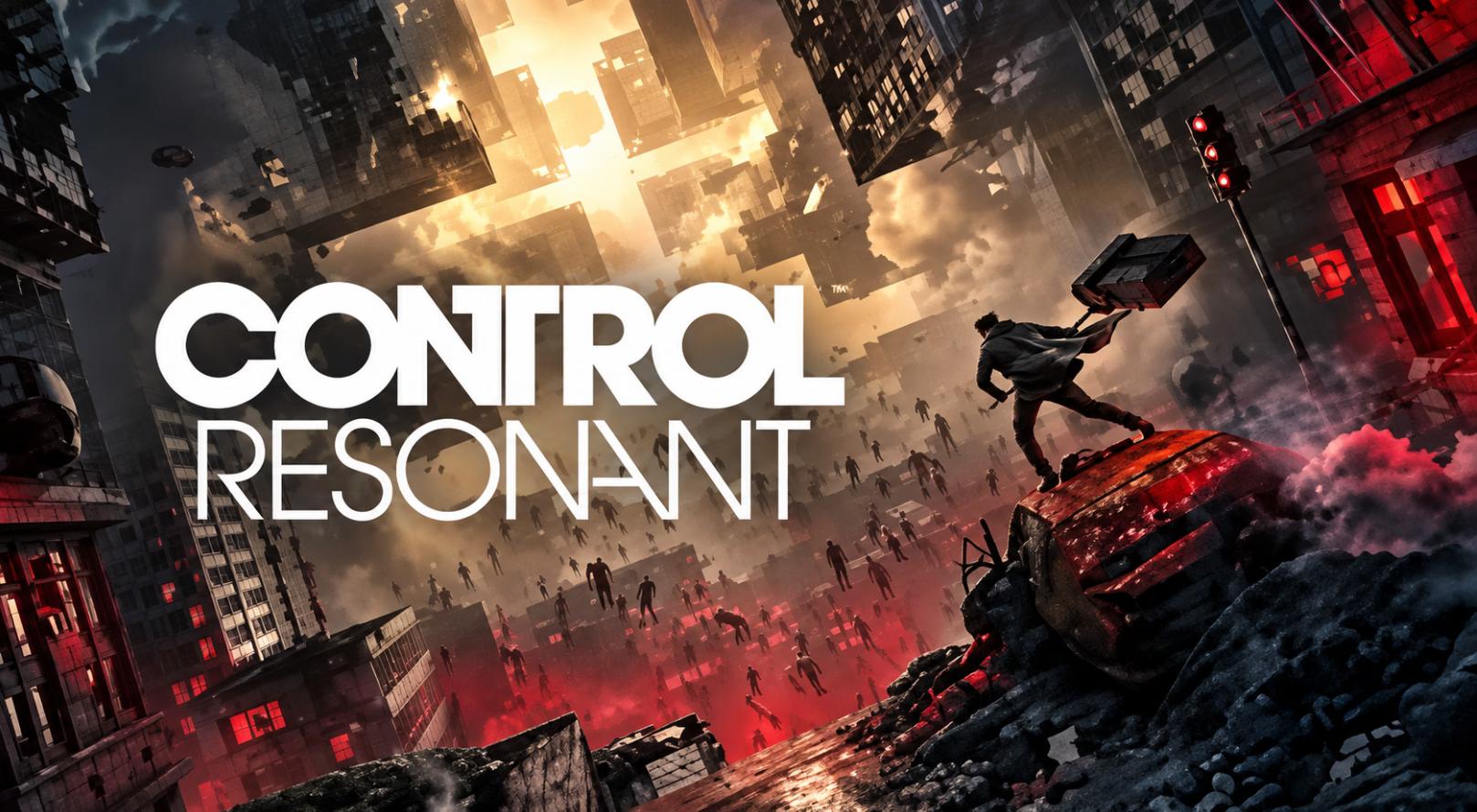
CONTROL Resonant Hands-On Experience: What the New Gameplay Is Really Like
 By Tove Ström
CONTROL Resonant feels like a very different game from its predecessor, and that becomes obvious almost immediately once you get hands-on with it.
The original Control built much of its identity around Jesse Faden, the Oldest House, and a supernatural third-person shooting system that mixed firearms with telekinetic abilities. CONTROL Resonant takes that foundation and pushes it in a much more melee-focused direction. After playing preview builds, several outlets came away impressed by the shift, particularly because Remedy has managed to make the new combat feel substantially different without losing the strange atmosphere that made the first game stand out.
The result is a sequel that feels less like Control with a new story and more like Remedy asking what else the series could become.
A Much More Melee-Focused Control
The biggest change is obviously combat.
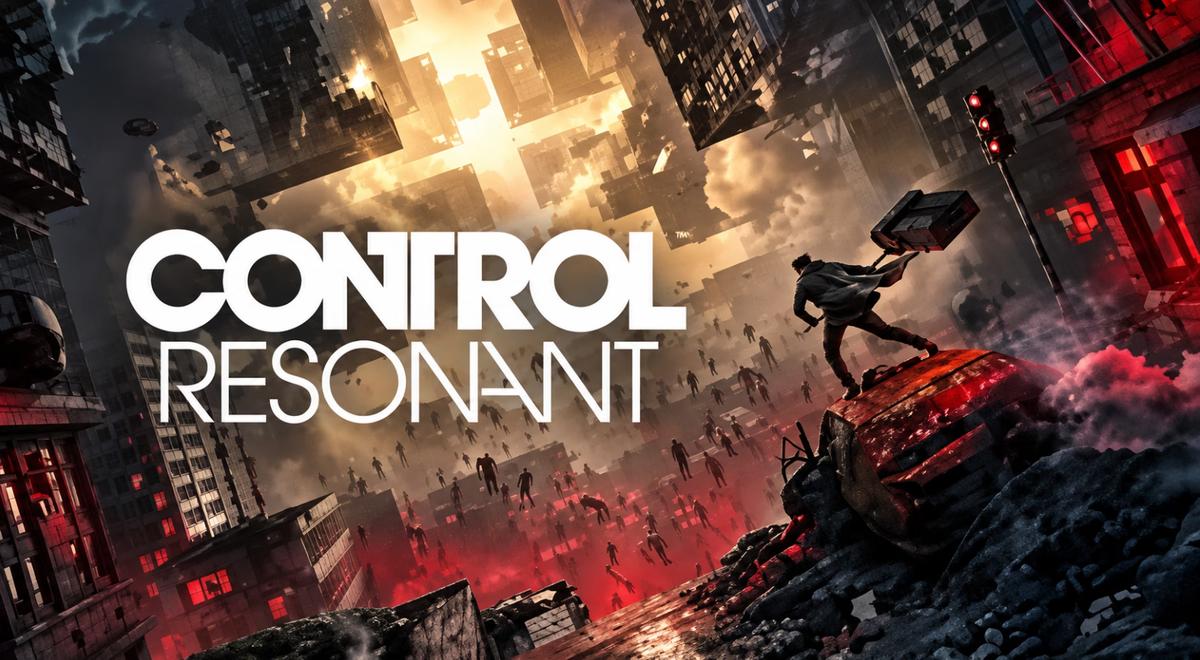
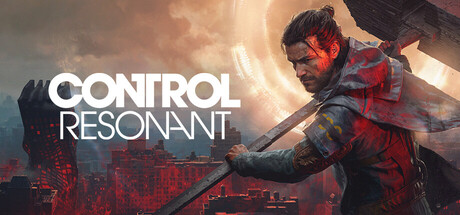
Instead of relying primarily on firearms, CONTROL Resonant puts Dylan Faden's shapeshifting Aberrant weapon at the center of the experience. The weapon can change forms depending on the situation, giving Dylan several ways to approach enemies rather than locking him into one basic melee style. Remedy's official gameplay presentation also emphasizes the Aberrant's ability to morph on demand, alongside Dylan's supernatural abilities and environmental interactions.
That sounds like a risky direction for a Control sequel, especially because the original game's shooting and telekinetic combat were such a major part of its identity.
The hands-on previews suggest the change works surprisingly well.
Different previews talk about how the combat feels fast, responsive, and much deeper than it initially appeared to be. A Game Informer preview on the experience actually referencedcharacter-action-style game design, while Windows Central comments on how weird it is to see Remedy dive this far into the melee.
What makes the system more interesting is that melee isn't simply replacing guns with a sword.
Dylan can switch between weapon forms, combine attacks, use supernatural abilities, and fight in the air. That gives encounters a much more fluid rhythm than simply standing back and firing at enemies.
It also means positioning matters more.
You are not always fighting on a flat arena where the enemy is directly in front of you. The preview builds feature vertical spaces, altered gravity, aerial movement, and environments that can completely change how an encounter plays out.
The Combat Has More Build Variety Than I Expected
The other surprise is how much RPG-style progression has been added around the combat.
The Aberrant has its own upgrade paths, while Dylan can develop different abilities and use Artifacts to modify his build. The Gap acts as a hub where players can work on their progression and experiment with their setup. Game Informer's hands-on preview noted that weapon skill trees can be upgraded and that players can respec skill points, giving room to experiment with different approaches.
This is probably one of the areas where CONTROL Resonant could have the biggest impact on replayability.
Though Control already offered chances to mix-and-match abilities and weaponry, its sequel seems to amplify this even more, offering more than just a number of increased-strength powers you can earn over time. However, this is where Dylan's style of combat can begin to take form.
That matters because the melee system seems designed around player expression.
If you prefer aggressive close-range attacks, you can build around that. If you want more flexibility between different weapon forms and supernatural abilities, the progression system gives you room to experiment.
And importantly, the game doesn't appear to expect you to master everything immediately.
The preview experience deliberately introduces abilities gradually before throwing more complicated encounters at the player. Xbox Wire's hands-on session described unlocking movement abilities such as the dash, double jump, and levitation through strange 16-bit-style consoles before being introduced to increasingly demanding traversal challenges.
That gradual introduction could be especially important because the full combat system looks considerably more complicated than what players experienced in the first Control.
Movement Is Almost as Important as Combat
One of the things I didn't expect from the hands-on coverage was how much CONTROL Resonant leans into movement.
This isn't simply a melee action game where you run between combat arenas.
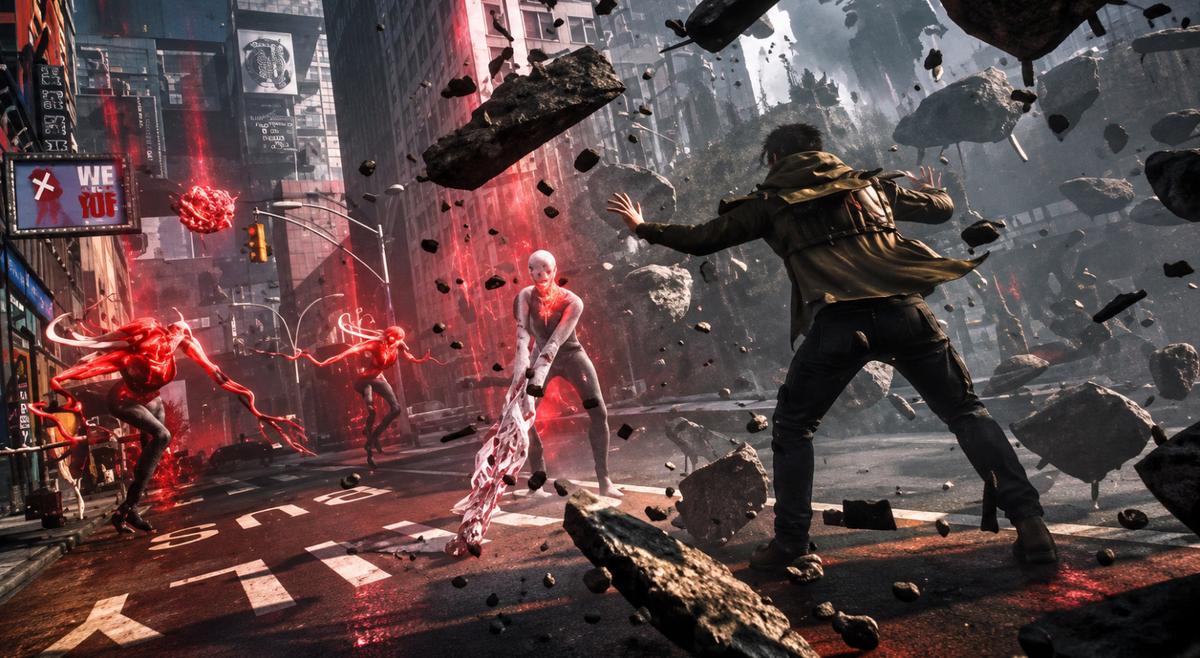
Dylan's abilities allow him to move vertically, dash across gaps, levitate, and interact with environments that don't necessarily follow normal rules. Remedy has essentially turned the game's supernatural movement into another part of the combat and exploration systems.
That makes sense for Control because the series has always been at its best when the environment itself feels unreliable.
The difference this time is that the player gets to actively use that weirdness.
Some preview sections involve environments where walls, ceilings, gravity, and physical space stop behaving normally. Game Informer's hands-on session described locations where players could traverse walls and ceilings during combat, while other previews highlighted surreal spaces that feel more like impossible dimensions than conventional levels.
That could end up being one of the sequel's biggest strengths.
Instead of separating exploration and combat into two completely different systems, CONTROL Resonant seems interested in making it part of how you solve problems.
The World Is Much Bigger Than the Oldest House
The shift away from the Oldest House is another major change.
The original Control was defined by its central location. The Oldest House was more than just a setting; it was effectively one of the game's main characters.
CONTROL Resonant takes Dylan into an altered version of Manhattan, opening the game up to a much broader environment.
That does not mean Remedy has abandoned its surreal approach.
If anything, the hands-on sessions suggest that the studio is using the larger setting to create even stranger spaces. Previewers have encountered distorted environments, pocket dimensions, impossible architecture, and locations where reality appears to fold in on itself.
That combination is what makes the new setting work for me.
A normal open-world Manhattan probably wouldn't feel particularly interesting for Control. A Manhattan where buildings, gravity, and entire sections of reality can become unreliable is much more appropriate.
The game also appears to use the city to give players more freedom in how they approach exploration and progression, rather than simply replacing the Oldest House with another linear sequence of rooms.
The New Gameplay Still Feels Like Control
This might actually be the most important takeaway from the hands-on experience.
On paper, CONTROL Resonant sounds like it could have lost what made the original special.
New protagonist.
New location.
Melee combat.
More RPG systems.
More open exploration.
That is a lot of change for one sequel.
Yet the preview coverage repeatedly comes back to the same conclusion: despite those changes, the strange identity of Control is still there. Xbox Wire described the sequel's environments and supernatural encounters as retaining Remedy's distinctive surrealism, while Game Informer similarly emphasized that the strange atmosphere survives the shift toward stylish melee action.
For me, that's more reassuring than simply seeing familiar mechanics return.
A sequel doesn't necessarily need to preserve every system from the original. It needs to preserve the feeling that made the original worth playing.
And CONTROL Resonant seems to understand that.
Is the New Combat Actually Better?
I don't think it's useful to call the melee system objectively “better” than the original gunplay yet.
They're trying to do different things.
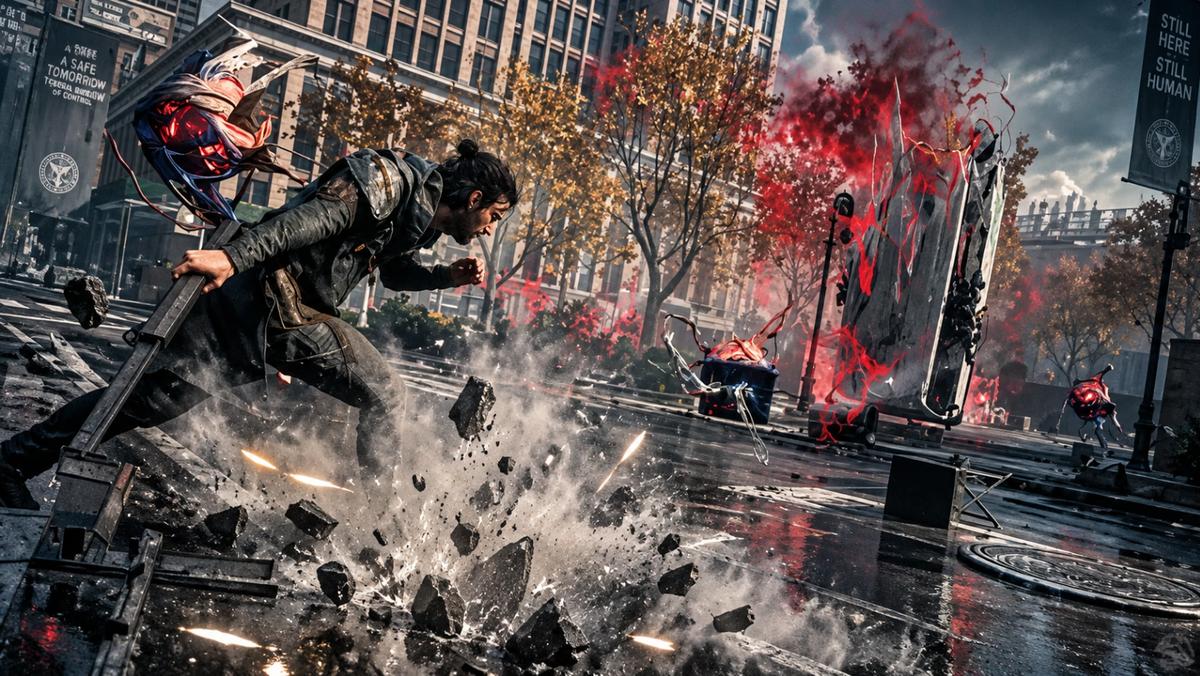
The original Control gave players a satisfying combination of firearms, telekinesis, movement, and environmental destruction. CONTROL Resonant appears to put much more emphasis on timing, positioning, weapon switching, combos, and close-range decision-making.
That means some longtime fans may need time to adjust.
The good news is that the hands-on sessions suggest the combat has enough depth to reward that adjustment. Windows Central's preview described the melee-first direction as an unexpectedly successful change, while other hands-on reports praised the fluidity of the combat and the amount of build experimentation available.
The real test will be whether that depth remains satisfying across the full game.
A two- or three-hour preview can demonstrate the potential of a combat system, but a full campaign needs enough enemy variety, encounter design, progression choices, and boss fights to keep those mechanics interesting.
That's something we won't fully know until the complete game is available.
Comparing CONTROL Resonant Prices Before Buying
For PC players who are already convinced by the gameplay shift, it makes sense to check the price before committing to a preorder or purchase.
PriceRadar is a game price comparison website, not a game key retailer. Instead of selling keys directly, it tracks prices across different stores and lets players compare available offers so they can identify better deals.
As for CONTROL Resonant, the useful approach is to check the game's listing and compare the available CONTROL Resonant Steam key prices rather than assuming the first offer you see is the cheapest one.
The site also tracks price history, which can be useful if you're not in a hurry to buy. Looking at historical pricing can give you a better idea of whether the current offer is actually attractive or whether waiting for a future discount might make more sense.
Conclusion
After the hands-on previews, the biggest surprise for me is that CONTROL Resonant doesn't seem afraid to completely rethink what a Control game can be.
Melee combat is obviously the big news, but it only represents one aspect of the massive redesign. Dylan's Aberrant weapon, mid-air traversal, powers, the RPG leveling system, load-outs, and Manhattan's wonderfully bizarre interpretation are all employed to give an experience that has much more of a focus on action.
At the same time, Remedy hasn't seemingly abandoned the surreal atmosphere that made Control memorable.
That's the part I'm most interested in seeing when the full game arrives.
If the combat can deliver anything on the depth demonstrated in previews and the world of CONTROL can still provide as many utterly bizarre environments and consciousness-bending encounters as the series is famous for, CONTROL Resonant has the potential to be one of 2026's more fascinating sequels.
The game is currently scheduled to launch on September 24, 2026, for PlayStation 5, Xbox Series X|S, PC, and Mac.
Games Mentioned
Related Articles
CONTROL Resonant vs Alan Wake 2: Which Remedy Game Should You Play
guides
CONTROL Resonant PC Performance: Requirements & Graphics Settings
guides
Trails in the Sky the 2nd: Price, Gameplay & Try the Demo Before You Buy
guides
Is The Blood of Dawnwalker Worth $70
guides