Terraria's Enduring Legacy: A 2D Masterpiece That Refuses to Fade
 By Astrid Holm
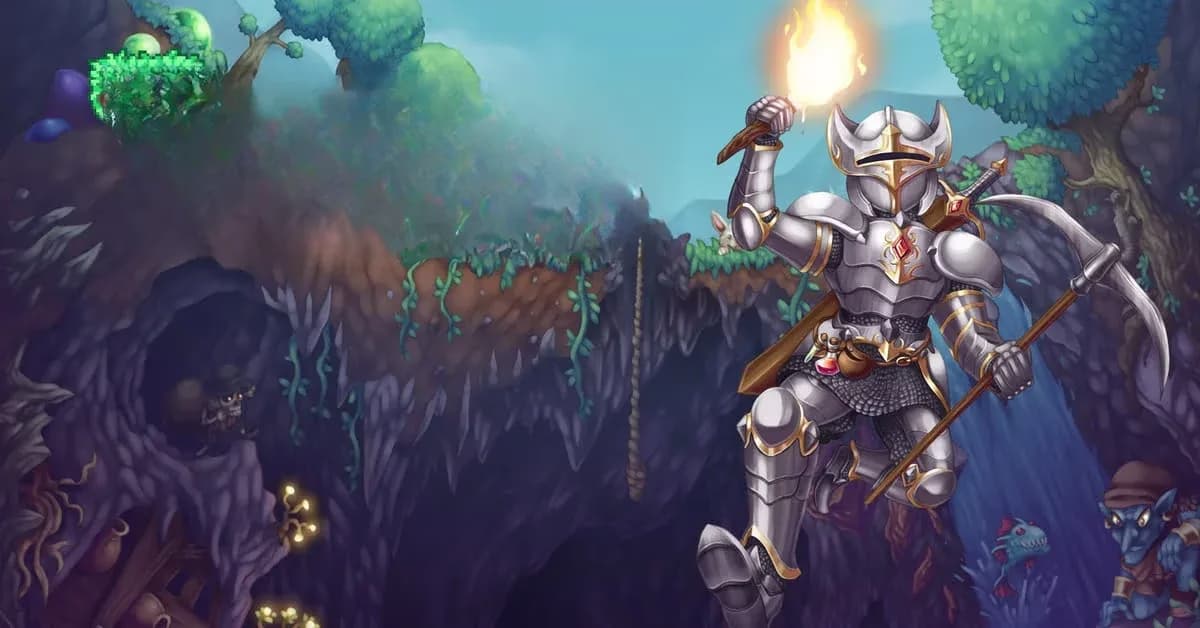
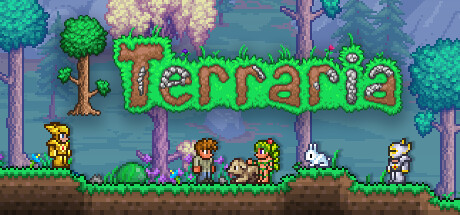
In the ever-evolving landscape of gaming, few titles manage to maintain relevance beyond their initial release window. Yet here stands Terraria, a 2D open-world survival crafting game that continues to captivate 30,000 daily players even after 14 years since its 2011 debut. Developed by Re-Logic, this indie phenomenon has transcended its humble beginnings to become a cornerstone of the sandbox gaming genre, proving that pixel art and boundless creativity never go out of style.
From Humble Beginnings to Gaming Phenomenon
The story of Terraria begins in January 2011, when Andrew Spinks founded Re-Logic at the dawn of the game's development. Spinks, who emerged from the modding community with credits including Super Mario Bros. X, brought both technical prowess and creative vision to the project. His role encompassed game design and programming, forming the backbone of what would become a gaming sensation. Joining him were two essential team members: Finn Brice, whose pixel artistry breathed life into the game's sprites, and Scott, who crafted the atmospheric soundscapes that would define the Terraria experience.
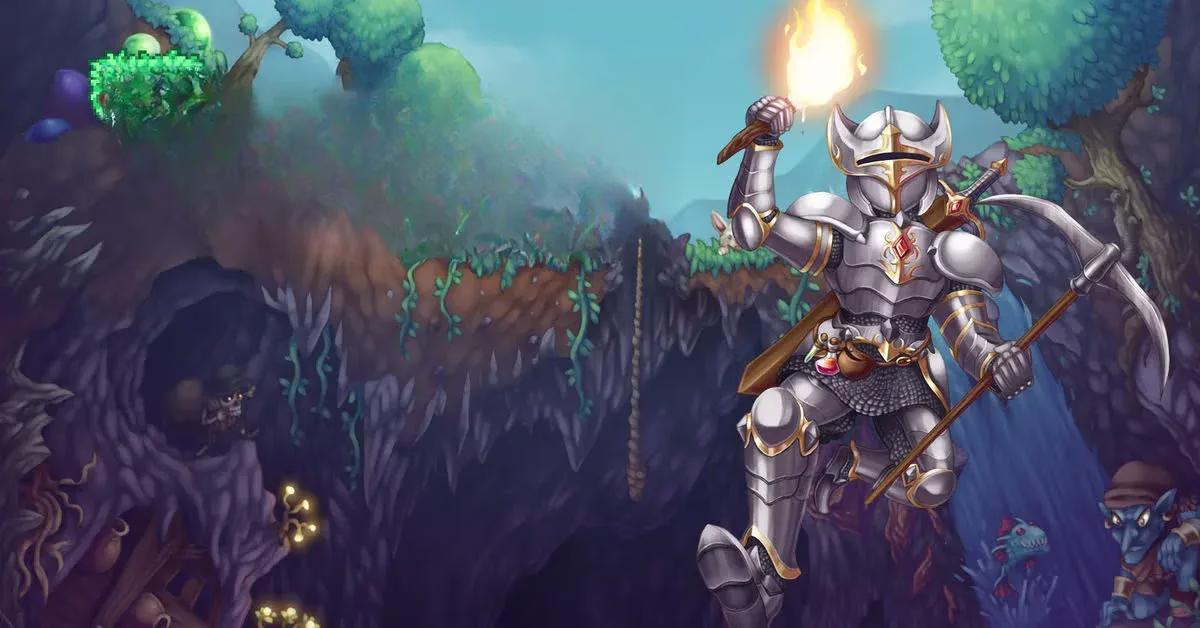
The game's journey to release reads like a classic indie success story with an unexpected twist. Originally scheduled for a later launch, Terraria made its Windows debut on May 16, 2011, just months after development commenced. What forced this accelerated timeline? A leaked beta version pushed the team to move forward sooner than anticipated. Despite this rushed release, the core vision remained intact: a game centered on exploration, mining, crafting, and combat within a sprawling 2D universe.
What set Terraria apart from other building simulators of the era was its heavy emphasis on monster battles and boss encounters. This wasn't merely a creative sandbox—it was an action-packed adventure that demanded both strategic thinking and skillful execution.
The Meteoric Rise and Evolution
The commercial success of Terraria exceeded all expectations. On its first day alone, the game sold 50,000 copies, generating approximately $500,000 in revenue. Consider this achievement: three developers, four months of development, and half a million dollars in day-one sales. Within weeks, millions of copies had found their way into players' hands, propelling Terraria to the top of Steam's charts and igniting a wave of enthusiasm that would sustain the game for over a decade.
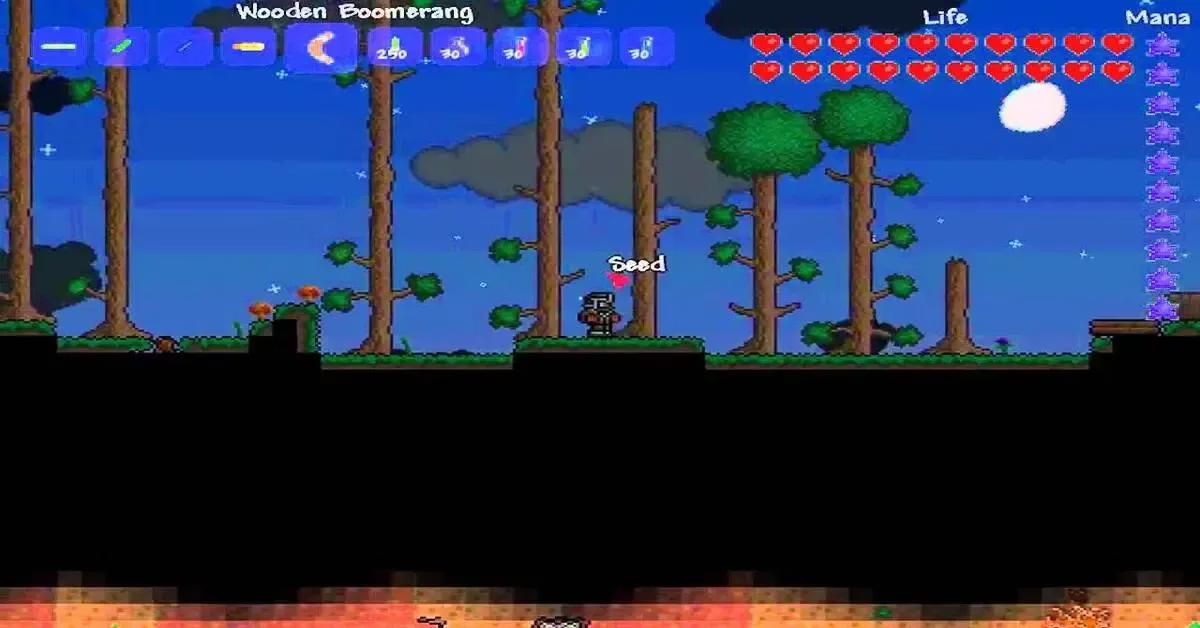
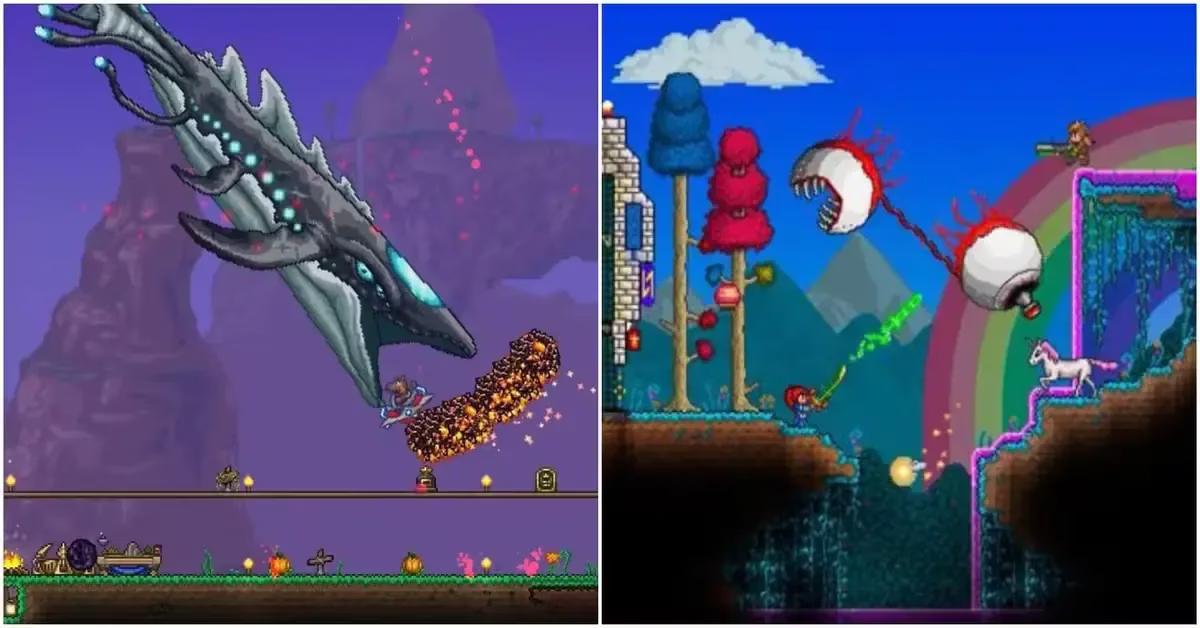
Was Terraria simply "Minecraft in 2D," as early critics suggested? This comparison initially provided valuable exposure, but players quickly discovered the truth. Boss fights, intricate item systems, diverse biomes, and dynamic events established Terraria as a completely unique experience. The game carved out its own identity through features that went far beyond simple block placement.
The development timeline tells a story of continuous refinement:
-
December 2011: Version 1.1 introduced new enemies, bosses, NPCs, and enhanced world generation
-
2013: After Andrew Spinks' temporary departure, the team returned with version 1.2, adding over 1,000 items and substantially expanding the endgame
-
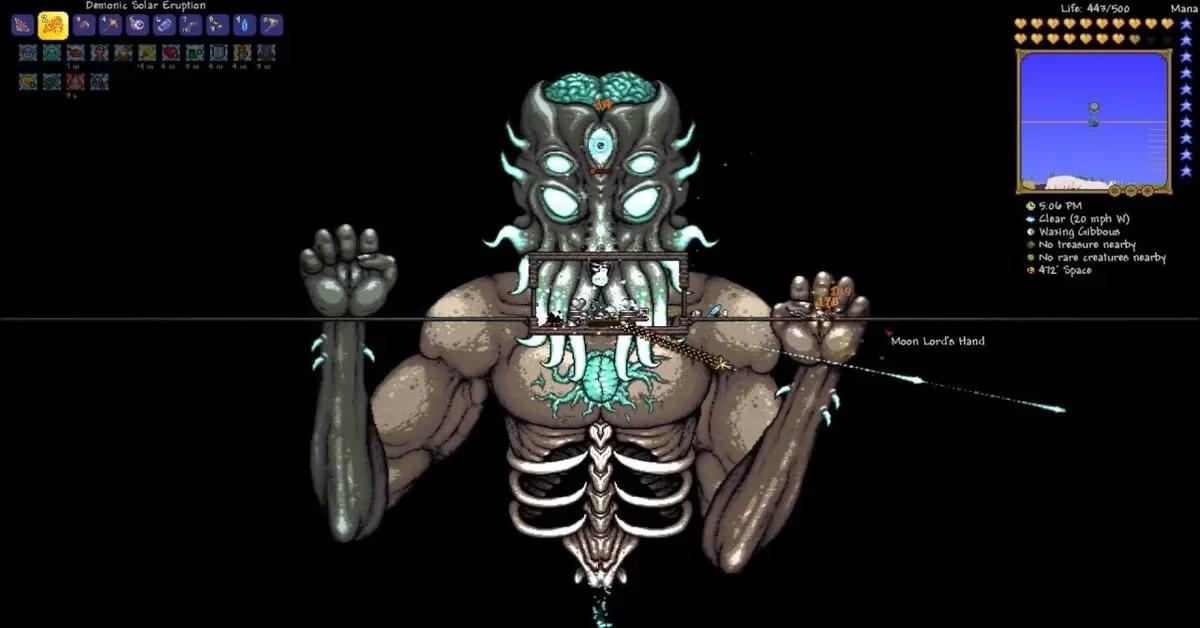
2015: Version 1.3 brought Expert Mode, fresh events, and the formidable Moon Lord
-
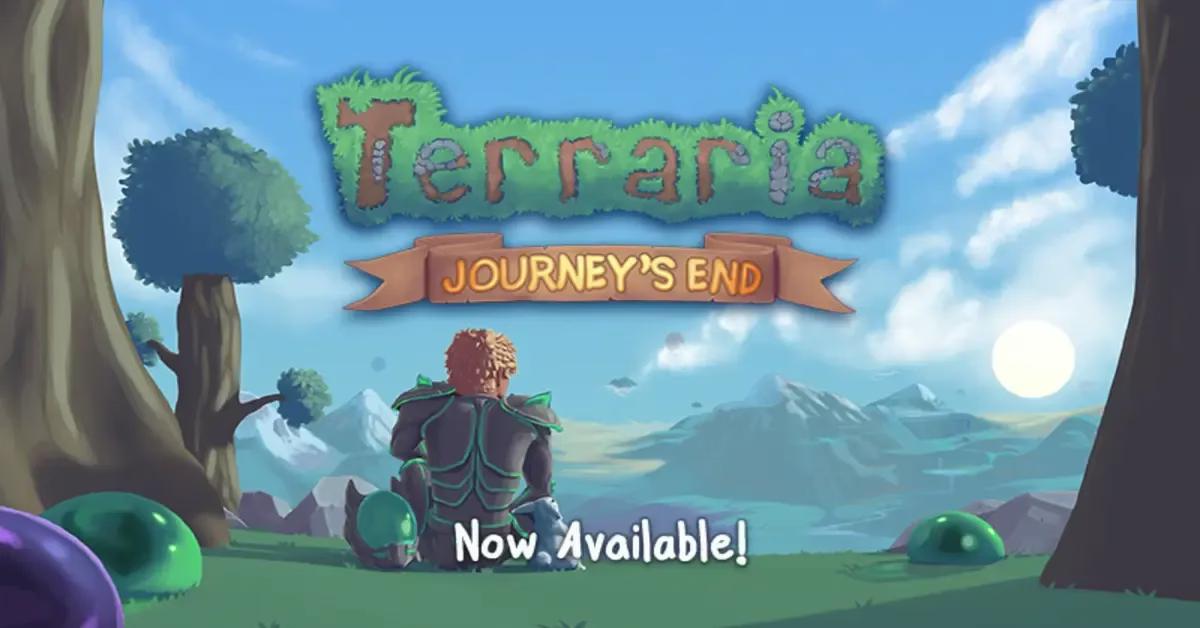
2020: The "Journey's End" update arrived on May 16, marking what developers called the official "end"
Yet calling Journey's End the "end" proved to be something of a running joke. The developers emphasized that while Terraria reached completion, they would continue adding new content through smaller updates and patches.
Expanding Horizons Across Platforms
Terraria's reach extended far beyond PC gaming. In 2013, ports arrived for Xbox 360 and PS3, eventually expanding to current-generation consoles, mobile devices, and the Nintendo Switch. The game even participated in memorable collaborations, such as the crossover with Don't Starve Together, which brought new items, biomes, music, and NPCs to both games. These cross-platform versions ensured that Terraria's player base remained robust and diverse.
Unraveling the Mysteries: Lore and Narrative
Originally lacking a traditional storyline, Terraria gradually incorporated official lore that players could interpret and piece together. The backstory reveals itself through exploration of biomes, participation in events, and careful reading of bestiary entries. Much of this knowledge comes from NPC dialogues and guidance from the aptly named "Guide," who represents the "Order of the Guides"—an ancient lineage dedicated to preserving knowledge for adventurers.
The Wall of Flesh serves as more than merely another boss encounter. Its defeat triggers the transition to Hardmode, unleashing ancient spirits and fundamentally altering the world's balance. The Moon Lord stands as the ultimate challenge, drawing heavily from Lovecraftian influences. Several bosses display mythological origins and cosmic motifs that fuel endless speculation.
Because the lore remains deliberately fragmentary and open to interpretation, fans have developed elaborate theories connecting biomes, bosses, and mythological elements. These discussions thrive on forums and subreddits, with some community theories linking Terraria to broader Lovecraftian or cosmic mythologies. How deep does the rabbit hole go? That's for players to discover.
Gameplay: A Perfect Storm of Mechanics
Each Terraria world generates procedurally, ensuring that biomes, caves, floating islands, the Underworld, and cave systems present fresh challenges with every playthrough. The day-night cycle introduces strategic considerations—nighttime brings aggressive monsters and special events that can catch unprepared players off guard.
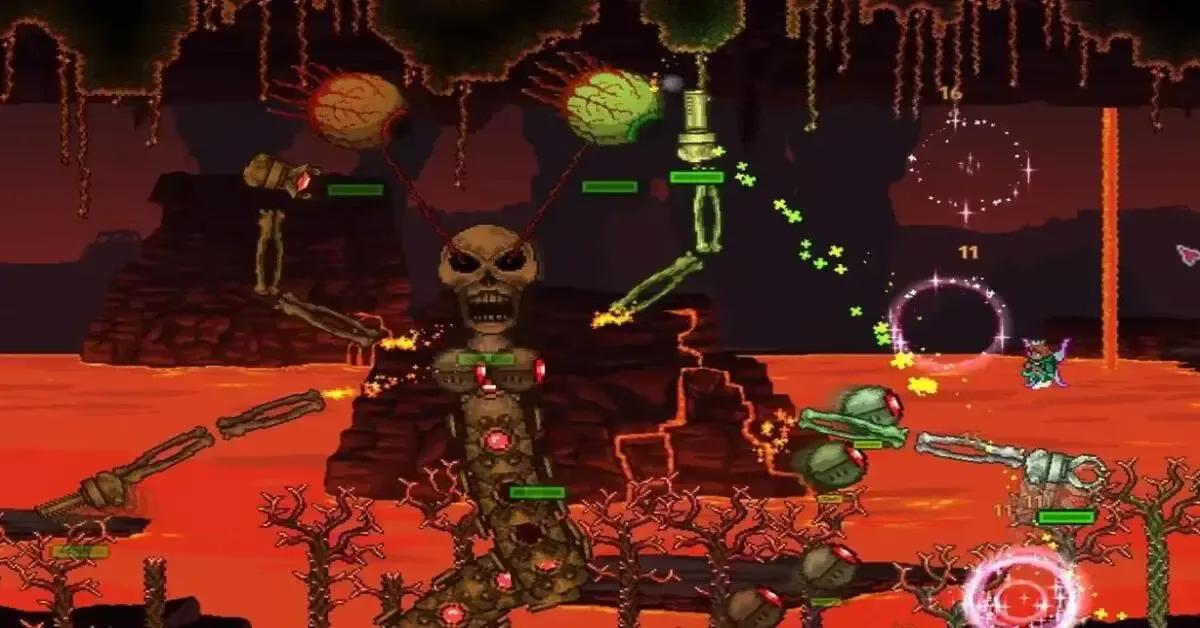
The item catalog has grown to staggering proportions. According to the official Wiki, Terraria now features 5,455 items spanning weapons, armor, building materials, accessories, and more. This incredible variety ensures that no two playthroughs need follow the same path.
Boss Battles and Progression
Boss fights form the backbone of Terraria's progression system. Many encounters are mandatory for advancement—defeating the Wall of Flesh unlocks Hardmode, which introduces new materials, stronger enemies, additional biomes, and escalating challenges. Victory requires careful preparation and strategic build choices:
| Class Type | Characteristics |
|---|---|
| Melee | Close-range combat with high defense |
| Ranged | Distance attacks with moderate mobility |
| Magic | Spell-based damage with mana management |
| Summoner | Pet-focused strategy with indirect combat |
The NPC System and Community Building
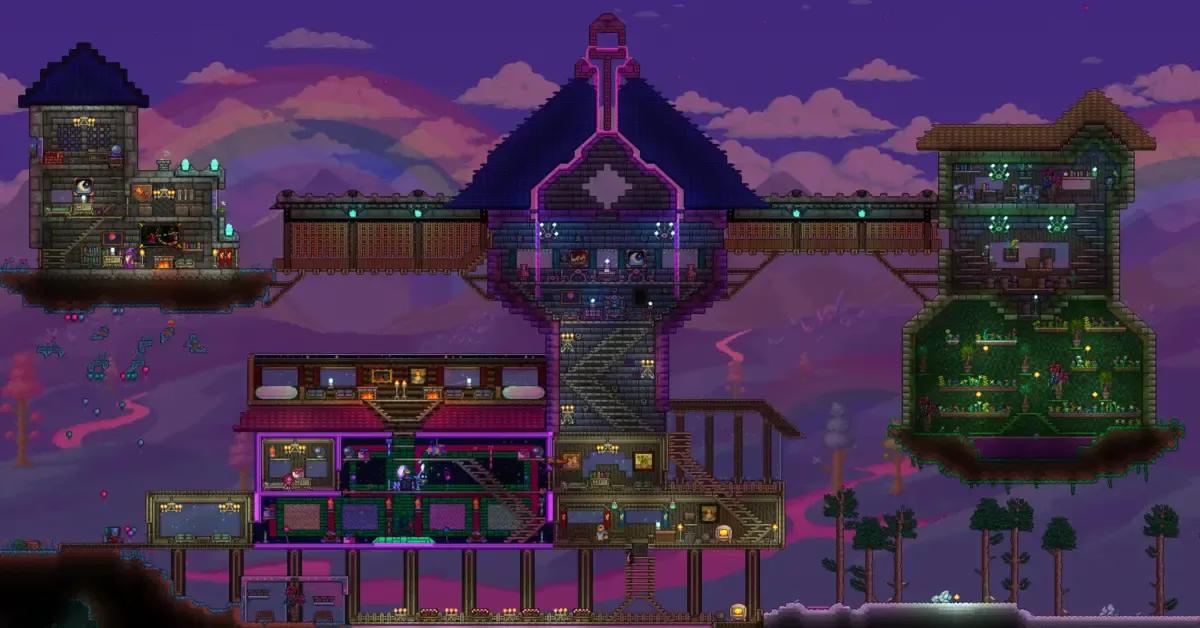
Terraria's NPC system adds depth beyond simple merchant interactions. Each NPC requires specific conditions before moving in, starting with basic housing requirements—a roof and properly sized rooms. Once settled, these characters offer healing, goods, or specialized services. The happiness system creates an additional layer of strategy: content NPCs provide better prices and superior offerings. Some NPCs even exhibit preferences for certain biomes or neighbors, encouraging thoughtful town planning.
Surviving the Late Game
Late-game survival demands mastery of potions and buffs. These become essential during special events like the Blood Moon, Goblin Army, Pumpkin Moon, and Frost Moon, where waves of powerful enemies test player preparation. Weather patterns, time of day, and environmental conditions all influence gameplay dynamics.
Multiplayer support enhances the experience through co-op modes where friends can build, explore, and tackle bosses together. While PvP modes exist, they remain less popular than cooperative play.
The Modding Revolution: Community-Driven Immortality
How does a 14-year-old game maintain its player base five years after its last major update? The answer lies in tModLoader, Terraria's official modding platform released as DLC in 2020. This integration transformed modding from an unofficial hobby into an integral part of the gaming experience.
Several mods have achieved legendary status within the community:
Calamity Mod stands as perhaps the most ambitious expansion, introducing dozens of new bosses, biomes, items, and difficulty modes that essentially double the game's content.
Thorium Mod represents a classic content expansion that plays well with other modifications. It adds 2,700 new items, multiple bosses, additional NPCs, three new character classes, and various quality-of-life improvements.
These represent just the tip of the iceberg. Browsing tModLoader reveals countless mods offering hundreds of hours of fresh content. Some provide complete overhauls, while others focus on specific aspects like adventure maps with unique storylines, puzzle-focused challenges, or texture packs that transform the game's visual presentation.
PC players enjoy straightforward mod installation through the Steam Workshop or external sites, with tModLoader making the process remarkably user-friendly. Console players face more limitations, though the core game remains fully accessible across all platforms.
Looking Ahead: What Does the Future Hold?
The future of Terraria remains tantalizingly uncertain. Cenx, a developer associated with Re-Logic, has confirmed that "Game Two" could begin full development after the 1.4 era concludes. Andrew Spinks has occasionally joked about a sequel without making serious commitments, fueling forum speculation about Terraria 2 potentially replacing old code and establishing new technical foundations.
Crossover projects continue to emerge on the horizon. A collaboration with Dead Cells has been announced and may appear in future updates. Re-Logic also plans to implement cross-play functionality for consoles and mobile platforms, likely following the release of version 1.4.5.
Wait—1.4.5? Despite Journey's End supposedly marking the game's completion, monthly updates continue providing quality-of-life improvements. This ongoing support has sparked speculation about a potential major 1.5 update, though such hopes remain firmly in the realm of community wishful thinking.
The Verdict: A Living Legend
What makes Terraria continue to thrive 14 years after its initial release? The answer encompasses multiple factors working in harmony:
✨ Consistent Updates: Regular patches, events, and crossovers keep the experience fresh
🎮 Endless Modding: Community-created content provides virtually unlimited gameplay possibilities
⚔️ Compelling Loop: The cycle of exploration, crafting, and boss battles maintains engagement
❤️ Developer Dedication: Re-Logic's continued commitment earned them Steam's "Labor of Love" award
Terraria transcends the definition of a mere game. It has evolved into a living universe that continues growing through community contributions and developer support. While many titles fade into obscurity shortly after release, Terraria stands as proof that quality gameplay, creative freedom, and genuine developer care create lasting value.
The game's success demonstrates that age matters less than engagement, that pixel graphics can compete with cutting-edge visuals, and that a small team with vision can create experiences rivaling those from major studios. As 30,000 daily players continue exploring procedurally generated worlds, defeating cosmic horrors, and building architectural marvels, one question remains: Will Terraria still captivate players another 14 years from now? Given its track record, betting against it seems unwise. 🌟
Games Mentioned
Related Articles

Terraria's Journey Continues: My 15-Year Adventure Never Ends
news
Silent Hill 2 Remake Hits 2.5M Sales: A Masterpiece Reborn! 🎮👻
news
Hogwarts Legacy Hits Historic 85% Discount During Steam Spring Sale
news
Uncharted: Legacy of Thieves Collection Release Details Unveiled
news