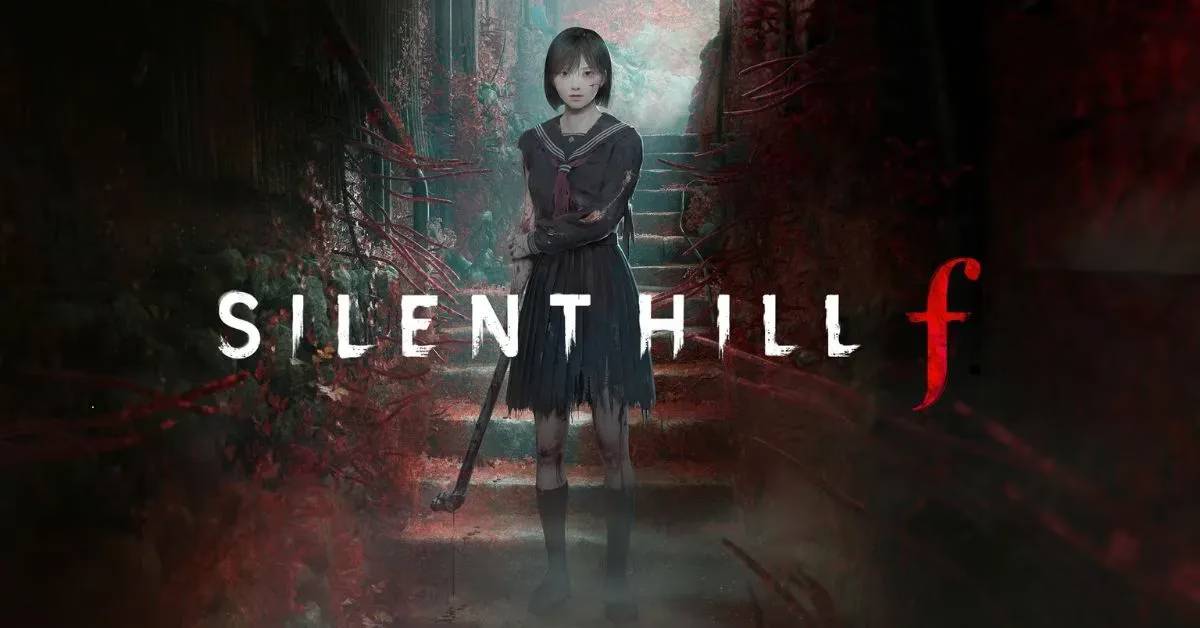
Silent Hill: Townfall Emerges from Fog with Revolutionary Gameplay
 By Viktor Falk
After years of silence, the psychological horror community received a heartbeat from the abyss. Silent Hill: Townfall has unveiled crucial development details through a comprehensive developer diary, revealing a radical reimagining of the legendary franchise that promises to shake the foundations of survival horror when it launches in 2026 for PS5 and PC.
A Scottish Storm Brewing in Horror's Heartland
The announcement struck like lightning through the gaming industry when Scottish developer Screen Burn—architects of the critically acclaimed Stories Untold and Observation—revealed their unexpected partnership with Konami. The collaboration began when Annapurna Interactive posed a seemingly impossible question: what would a small Scottish studio do with one of horror gaming's most sacred franchises?
Lead designer Graeme McKellan admitted the team initially froze at the prospect, yet they swiftly crafted a vision so compelling that Konami granted full creative backing. This bold pitch has evolved into what Annapurna Interactive now describes as one of their most ambitious releases to date, marking a watershed moment for both the publisher and the franchise.
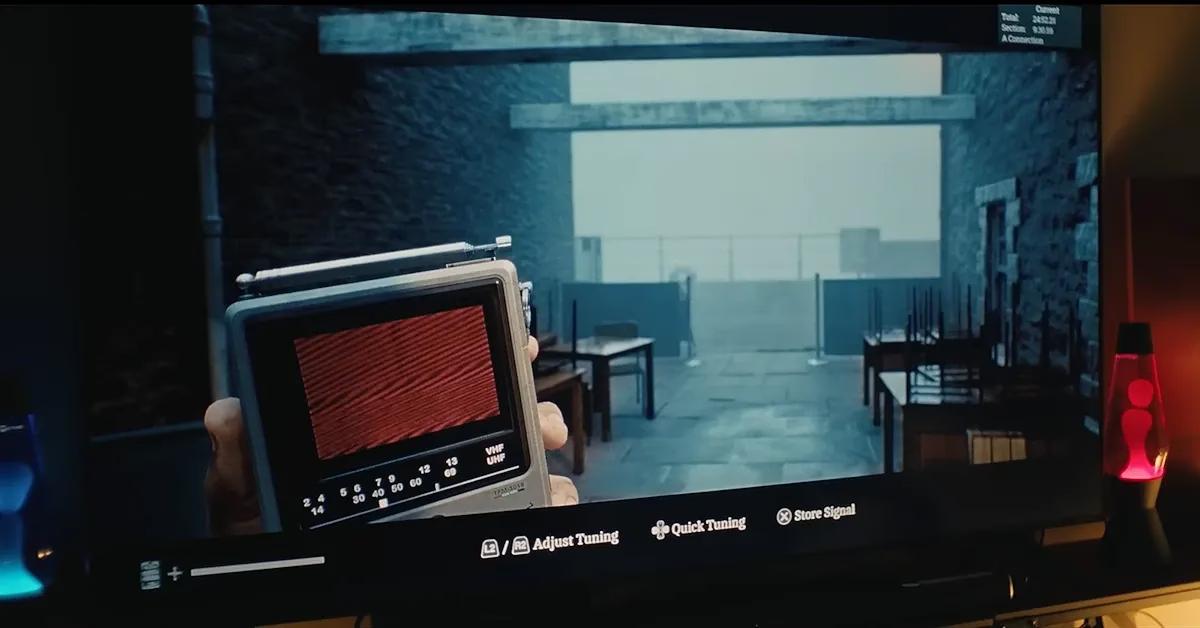
Revolutionary Mechanics That Redefine Dread 🎮
Silent Hill: Townfall abandons the franchise's traditional third-person perspective for an intensely claustrophobic first-person viewpoint. This isn't merely a camera angle change—it's a philosophical shift in how players experience terror. The manual peek system transforms every corner into a potential nightmare, where curiosity and caution wage war in the player's trembling hands.
The game's most innovative feature arrives in the form of the CRTV, a pocket television that operates like a technological divining rod for detecting supernatural threats. This device replaces the series' iconic static radio with something far more interactive and nerve-wracking:
| Traditional Silent Hill | Townfall Innovation |
|---|---|
| Passive radio static | Active frequency tuning |
| Audio-only warnings | Visual threat detection |
| Simple alert system | Multi-layered puzzle device |
| Background ambiance | Core gameplay mechanic |
The CRTV demands manual tuning through analog dials—a process that leaves players vulnerable while they search for hidden frequencies. Imagine trying to thread a needle during an earthquake; that's the delicate balance between discovering crucial lore and alerting nearby horrors to your presence. 📺
Scotland's Gray Soul Becomes Horror's Canvas
The narrative transplants the franchise from American soil to the windswept, rain-battered coastlines of 1996 Scotland. Players assume the role of Simon Ordell, dispatched to the forsaken St. Amelia island with vague instructions to "sort things out." Naturally, the situation deteriorates immediately upon arrival, plunging Ordell into a nightmare that Screen Burn has meticulously crafted from their own cultural DNA.
This geographical shift represents more than cosmetic redesign. Screen Burn deliberately eschewed standard American horror conventions, instead mining the bleakness of Scottish coastal settlements—places where fog isn't a supernatural phenomenon but a meteorological reality. The development team's intimate familiarity with these environments infuses every texture, every weather pattern, every architectural choice with authentic dread.
The Power of Authentic Horror 😱
The developers leverage their lived experience to create what might be termed "geographical horror"—terror that emerges not from jump scares but from the oppressive familiarity of genuinely desolate locations. When fog rolls across St. Amelia island, it carries the weight of countless gray Scottish mornings, transformed into something malevolent through subtle distortion.
Consider the difference between a Hollywood set designer's interpretation of coastal isolation versus someone who has actually weathered months of relentless drizzle in a dying seaside town. Screen Burn brings the latter perspective, lending Townfall an authenticity that renders its supernatural elements more disturbing by contrast. The game functions like a fever dream overlaid on documentary realism.
Technical Innovation Meets Psychological Terror
The 1996 setting proves strategically brilliant, predating widespread cellular technology while allowing for intriguing analog devices. The CRTV exists in a technological sweet spot—advanced enough to provide gameplay depth, primitive enough to maintain vulnerability. Players cannot simply check a minimap; they must engage with archaic technology that demands attention, time, and nerve.
Screen Burn's technical approach emphasizes several key design pillars:
-
Manual Interaction: Every action requires deliberate input, eliminating the safety of automated systems
-
Environmental Storytelling: The Scottish landscape becomes a narrative device, revealing history through decay
-
Reactive Audio Design: Sound propagates realistically, making every footstep a tactical decision
-
Organic Tension Building: Horror emerges from atmosphere rather than scripted events
The Weight of Legacy and Innovation ⚡
Undertaking a Silent Hill project carries immense pressure. The franchise commands passionate devotion, with fans possessing encyclopedic knowledge of every fog texture and rusty pipe. Screen Burn acknowledges this responsibility while refusing to be paralyzed by it. Their approach suggests confidence without arrogance—respecting the source material while fearlessly injecting fresh perspective.
The studio's previous work demonstrates their credentials. Stories Untold deconstructed gaming nostalgia through experimental narrative design, while Observation delivered space-station horror from an AI's perspective. Both titles showcased Screen Burn's ability to subvert expectations and create genuinely unsettling experiences within tight budgets. Townfall represents their graduation to blockbuster territory, backed by Konami's resources and Annapurna's publishing expertise.
What 2026 Holds for Horror Gaming 🌫️
As Silent Hill: Townfall approaches its 2026 release window, the gaming landscape watches with bated breath. The title represents several crucial convergences: indie sensibilities meeting AAA production values, geographical authenticity challenging horror conventions, and mechanical innovation revitalizing a dormant franchise.
The game's success could redefine how major publishers approach legacy IP, potentially opening doors for more experimental reimaginings by smaller studios with strong creative visions. Conversely, it faces the daunting challenge of satisfying longtime Silent Hill devotees while attracting newcomers unfamiliar with the series' nuanced mythology.
Screen Burn's decision to anchor the experience in first-person perspective and interactive analog devices suggests they're prioritizing immersion over nostalgia, creating something that honors the franchise's psychological roots while charting unexplored territory. The Scottish setting, far from seeming like mere novelty, promises to inject cultural specificity into a series that has sometimes struggled with generic American suburbia.
The Final Frequency
Silent Hill: Townfall emerges as more than a franchise entry—it's a statement about horror gaming's evolution. By entrusting a beloved IP to a small, passionate team with a distinct cultural perspective, Konami and Annapurna Interactive have potentially crafted something that transcends typical reboot fare.
Whether Screen Burn can balance innovation with reverence, accessibility with depth, remains to be seen when players finally tune their CRTVs and step onto St. Amelia island's fog-shrouded shores in 2026. For now, the pulse is strong, and the signal is clear: Silent Hill has found an unexpected home in Scotland's bleakest corners, and the fog has never looked more inviting—or more terrifying. 🎮😱
Games Mentioned
Related Articles
Silent Hill 2 Remake Hits 2.5M Sales: A Masterpiece Reborn! 🎮👻
news
SILENT HILL: Townfall Release Date, Platforms & Editions
news
Resident Evil Requiem: Everything You Need Before Launch Day
news
Minecraft Dungeons II Gameplay Experience: Combat, Gear & Exploration
guides