Phantom Blade Zero: Is It Really a Soulslike? How Their Combat Systems Differ
 By Saga Nygren
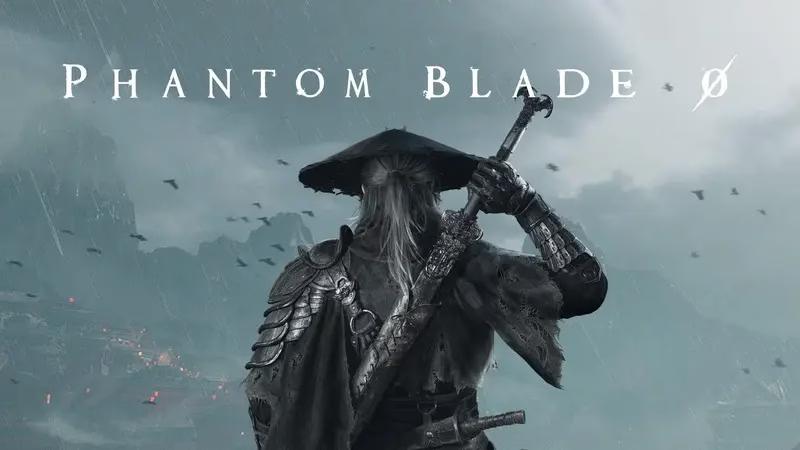
One look at Phantom Blade Zero and the comparisons start: dark environments, punishing bosses, parries, and dodges. It’s easy to assume it belongs to the Soulslike genre. But S-Game, the studio behind it, has repeatedly said it isn’t one, and critics who’ve played it largely agree.
The game launched on October 29, 2026 on PC and PlayStation 5, so the debate is now playable. This guide explains what makes a Soulslike, how Phantom Blade Zero’s combat works, and where the two approaches diverge.
The Short Answer: Not a Soulslike, but Not Totally Different Either
What the Developers and Critics Say
S-Game describes Phantom Blade Zero as a single-player, third-person wuxia action RPG and has stressed that it isn’t a Soulslike. Reviewers have echoed that. GamesRadar’s review opens by saying it isn’t one, and a Shacknews preview reached the same conclusion after the first five hours. GameSpot is slightly more nuanced, calling it an action RPG that’s “not quite” a Soulslike and noting that it’s similar enough that fans of the genre might be drawn to it.
Why People Keep Asking
The confusion is understandable. G2A’s overview points out that the game shares surface features with Soulslikes, including dark settings, dangerous bosses, parries, evasive movement, stamina-like restrictions, and carefully timed defense. The difference is in how those pieces fit together.
What Defines a Soulslike?
“Soulslike” is a loose label named after FromSoftware’s Souls series. While definitions vary, Soulslikes typically share these traits:
- Deliberate combat where each attack and dodge carries risk
- A stamina bar that limits how often you can attack, block, or roll
- Checkpoints that reset the world when you rest, bringing enemies back
- A penalty for dying, often involving lost currency you must recover
- Demanding bosses that you learn through repeated attempts
Not every game in the genre has all of these, but together they describe the template Phantom Blade Zero is being measured against.
How Phantom Blade Zero’s Combat Works
Sha-Chi: One Resource for Offense and Defense
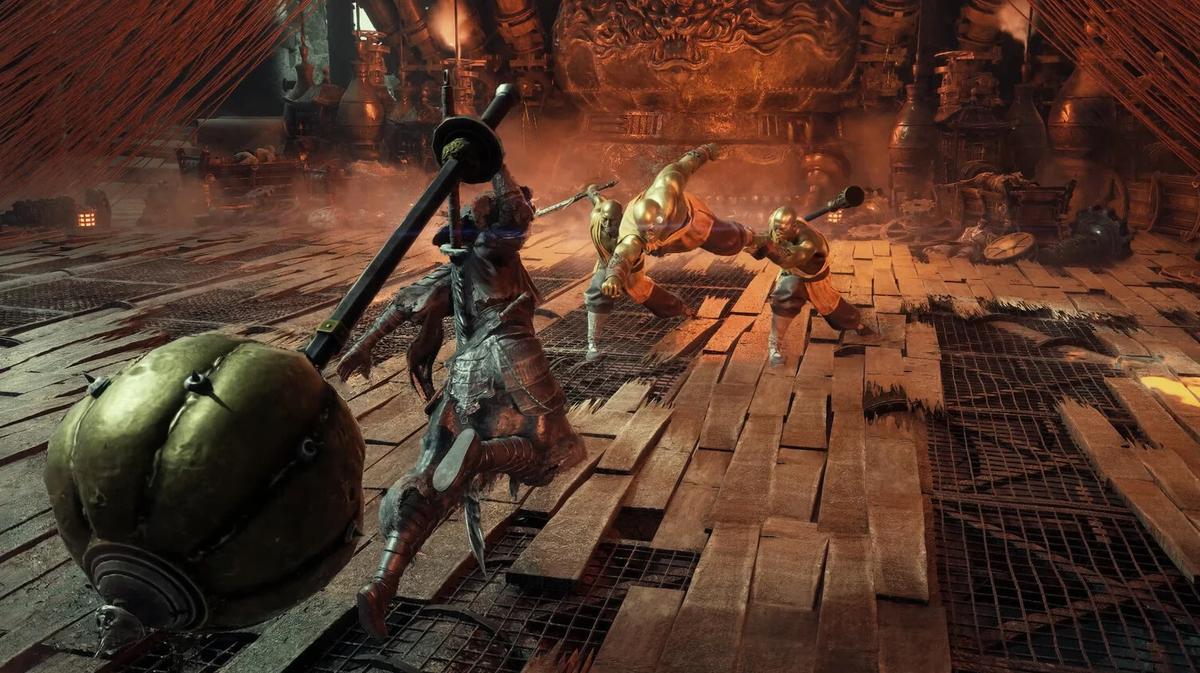
Combat revolves around Sha-Chi, a shared resource that acts as a mix of stamina, posture, and skill meter. Both you and your enemies use it. Heavy attacks and blocks draw from it, and if you run it dry, you break the same way an enemy does. You build it back by landing basic attacks, perfect parries, and counters called Ghoststeps, and faster weapons generate it more quickly than heavier ones.
Color-Coded Attacks and the Ghoststep
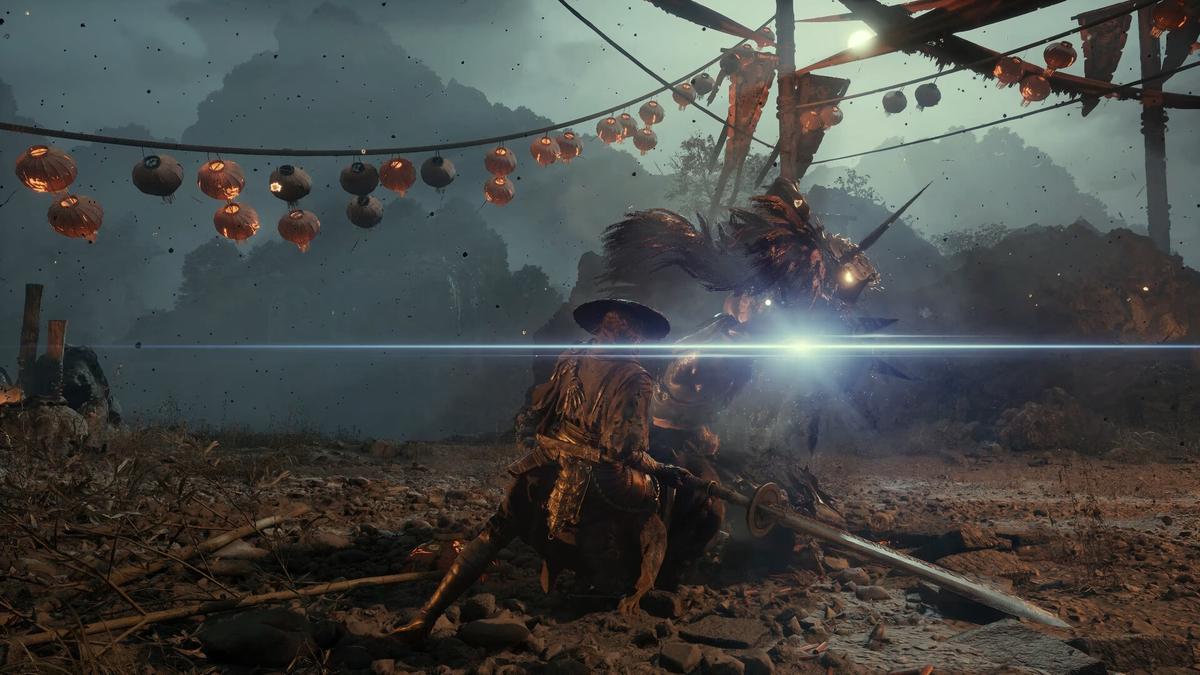
Enemy attacks are color-coded so you know how to respond. Brutal Moves drain Sha-Chi heavily if you block them, so they’re best parried. Killer Moves can’t be blocked or parried at all, so you need to dodge. Respond correctly at the last moment and you trigger a Ghoststep, which repositions Soul behind the enemy for a counter. A perfect parry on a Brutal Move grants Sha-Chi, while Ghoststepping through a Killer Move grants a damage buff on your next hit. Shacknews describes the parry as complementing the combo system rather than replacing it.
Weapons: Two Blades and Two Phantom Edges
Soul carries two primary weapons, called Blades, and two secondary weapons, called Phantom Edges. According to the August State of Play, the arsenal includes more than 30 Blades and 25 Phantom Edges, from cannons and lances to axes and hammers. Switching your primary Blade mid-fight restores Sha-Chi, though the swap has a cooldown. Each weapon has its own upgrade and evolution path, and in some cases you can unlock an enemy’s signature technique by defeating them.
Pace and Flow
Critics repeatedly describe the combat as fast, combo-driven, and cinematic. GamesRadar says there are parries, unblockable red-flash attacks, and upgradeable weapons, but that it doesn’t quite feel like anything else. That’s the heart of the difference: the tools look familiar, but the rhythm is not.
Where the Combat Differs From a Typical Soulslike
| Feature | Typical Soulslike | Phantom Blade Zero |
|---|---|---|
| Core resource | Stamina bar | Sha-Chi, shared by player and enemies |
| Combat pace | Deliberate, risk-heavy | Fast, combo-driven |
| Parrying | A central defensive tool | Complements combos and sets up Ghoststeps |
| Checkpoints | Resting resets enemies | Generous save points; enemies almost never respawn |
| Healing | Limited and refilled at checkpoints | Medicines refilled when you come back to life |
| Difficulty | Mostly one fixed experience | Four modes: Wayfarer, Pathbreaker, Hellwalker, and 66 Days |
| World | Often interconnected, sometimes linear | Eight handcrafted regions, neither fully open nor linear |
Checkpoints and Respawning
This is the biggest practical difference. GamesRadar reports that save and respawn points are usually placed generously, that medicines refill each time you come back to life, and that enemies almost never respawn. That removes a lot of the repetition associated with Soulslikes, where clearing the same enemies on the way back to a boss is part of the challenge. The review notes this may be a point of contention for fans who like that tension.
Defense: Stamina vs. Sha-Chi
Many Soulslikes limit you with a stamina bar. Phantom Blade Zero folds stamina, posture, and skills into one resource that enemies share. If you’ve played Sekiro: Shadows Die Twice, you may notice a family resemblance, since that game also centers on breaking an enemy’s balance rather than only reducing their health. The difference is that Phantom Blade Zero ties the same resource to offense, defense, and weapon swapping, and rewards aggressive play with Sha-Chi regeneration.
Difficulty Options
Where many Soulslikes offer one intended challenge, Phantom Blade Zero offers four difficulty modes. S-Game treats 66 Days as the purest expression of the game. On PS5, the Platinum trophy can be earned in a single run, so the game doesn’t force repeat playthroughs to see everything.
World and Story Structure
The game is a semi-open world made of eight interconnected regions with secret bosses and weapons. Phantom Edges double as exploration keys, and side quests can change the course of the main story, leading to eight endings based on how you play. Soul’s story gives the game a ticking clock: he has 66 days left to live.
Where It Still Overlaps With the Genre
None of this means the two have nothing in common. Both feature demanding boss fights, timing-based defense, and weapon upgrades. GameSpot goes as far as calling it a more forgiving option for people who’ve bounced off Soulslikes because of the time they demand. In other words, it borrows the thrill of tough fights while changing the structure around them.
Who Will Enjoy It?
It may suit you if you:
- Like fast, flowing action with long combos
- Want challenging bosses without the repeated runs between checkpoints
- Enjoy wuxia and martial arts themes
- Like having multiple difficulty options
It may not suit you if you:
- Prefer the slow, deliberate pacing and risk of a traditional Soulslike
- Enjoy enemy respawns and the tension of long runs back to a boss
- Want the structure and feel of FromSoftware’s games specifically
How to Compare Steam Key Prices
Phantom Blade Zero launched with a Standard Edition at $59.99 and a Digital Deluxe Edition at $69.99, available on Steam and the Epic Games Store for PC, and on PS5. If you’re deciding between it and a genre classic, a price check can help.
Gamepriceradar is a game key price comparison website. It isn’t a store and it doesn’t sell game keys. It lets you compare Steam key prices from different sellers in one place and find the best deals, and you complete your purchase on the seller’s own site.
Here’s how to use it for both games:
- Compare current offers. Use Gamepriceradar to compare Phantom Blade Zero Steam key price listings across sellers, and do the same to compare Sekiro: Shadows Die Twice Steam key price if you want to try the game that inspired so many comparisons.
- Check the trend. The Phantom Blade Zero price history and the Sekiro: Shadows Die Twice price history show how each price has moved, which helps you tell a good deal from a short-lived one.
- Look at the full picture. Compare the current Phantom Blade Zero price against the Sekiro: Shadows Die Twice price so you can decide where your money goes first.
- Read the seller’s terms. Check region restrictions, delivery details, and refund policy on the seller’s page before you pay.
Frequently Asked Questions
Is Phantom Blade Zero a Soulslike?
Its developer says no, and most critics agree. It shares features like parries and tough bosses, but its combat is faster and its structure is more forgiving.
When did it release?
October 29, 2026, on PC (Steam and Epic Games Store) and PlayStation 5.
Does it have difficulty options?
Yes. There are four: Wayfarer, Pathbreaker, Hellwalker, and 66 Days.
Do enemies respawn?
According to GamesRadar, enemies almost never respawn, and save points are generous.
Is Gamepriceradar a store?
No. It’s a price comparison website that helps you compare Steam key prices from different sellers and find the best deals.
Conclusion
Phantom Blade Zero borrows some familiar tools, but it uses them differently. Its shared Sha-Chi resource, color-coded attacks, fast combos, and forgiving checkpoints give it a rhythm of its own. Whether you call it a Soulslike or not matters less than whether the combat suits you.
If you’re ready to try it, check the price on Gamepriceradar before you buy.
Games Mentioned
Related Articles
Phantom Blade Zero Pre-Order Guide: Editions, Bonuses & Best Price
guides
Phantom Blade Zero PC System Requirements: Minimum, Recommended, Ray Tracing & Path Tracing
guides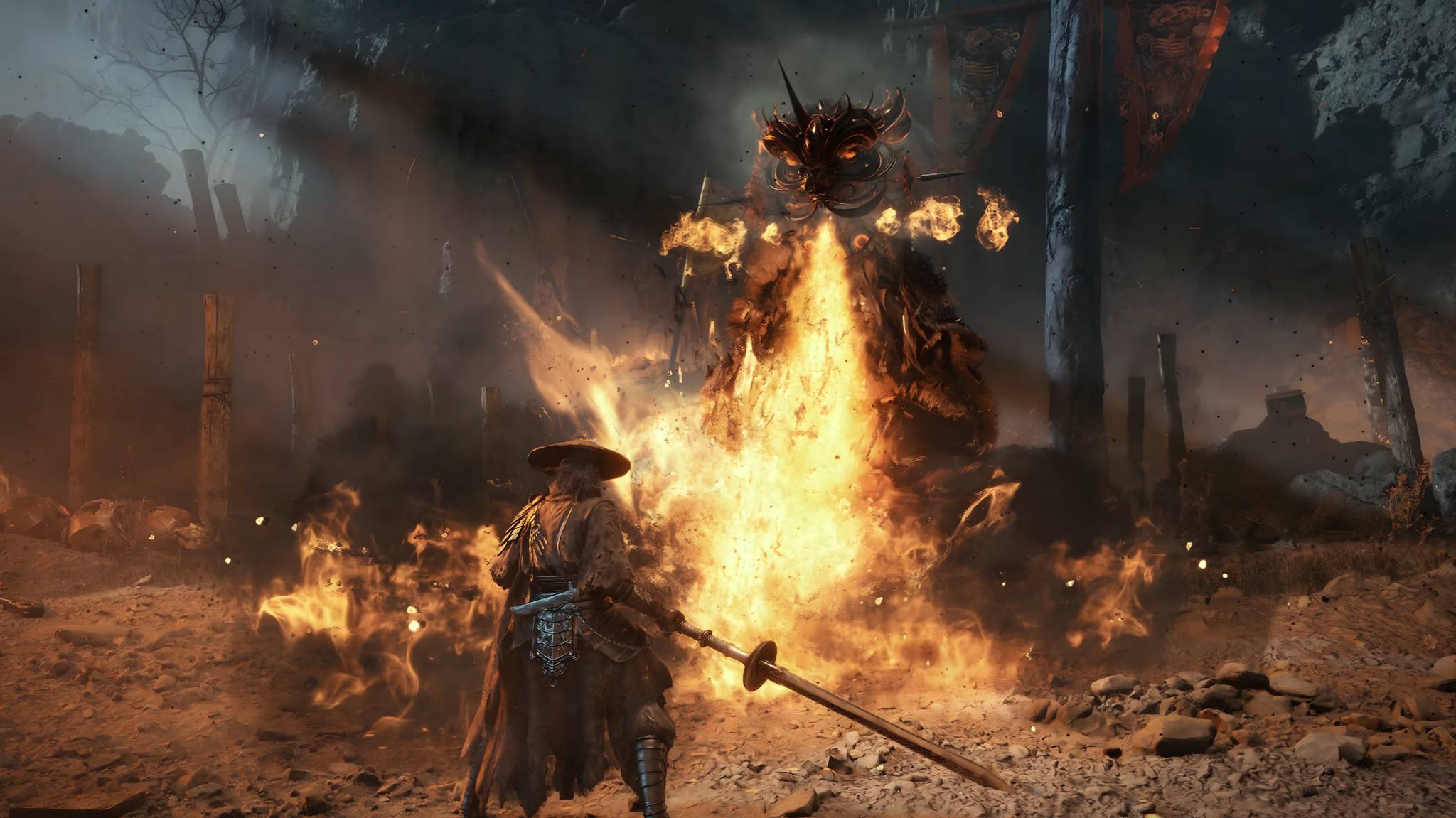
Best Games Like Phantom Blade Zero for Action RPG Fans
guides
Phantom Blade Zero or Onimusha: Way of the Sword: Which Game Should You Buy?
guides