OPUS: Prism Peak – My Journey Through a Lens
 By Nils Nilsson
I've been waiting for this moment for what feels like forever, and now it's finally here. OPUS: Prism Peak dropped on April 16, 2026, landing on both PC and Nintendo Switch like a carefully developed photograph emerging from darkroom chemicals. This isn't just another indie game trying to tug at your heartstrings – it's a full-blown narrative experience wrapped in the mechanics of professional photography, and honestly? I'm completely hooked. 📸
The Journey Begins: Why This Game Exists
Producer Jonathan Wang from Shueisha Games made a bold call by pushing back the release date. Instead of rushing to meet some arbitrary deadline, he gave developer SIGONO the breathing room they needed to polish every single frame. That decision? Absolutely the right one. The result is a game that feels like it was crafted with the precision of a master watchmaker, where every element serves a purpose.
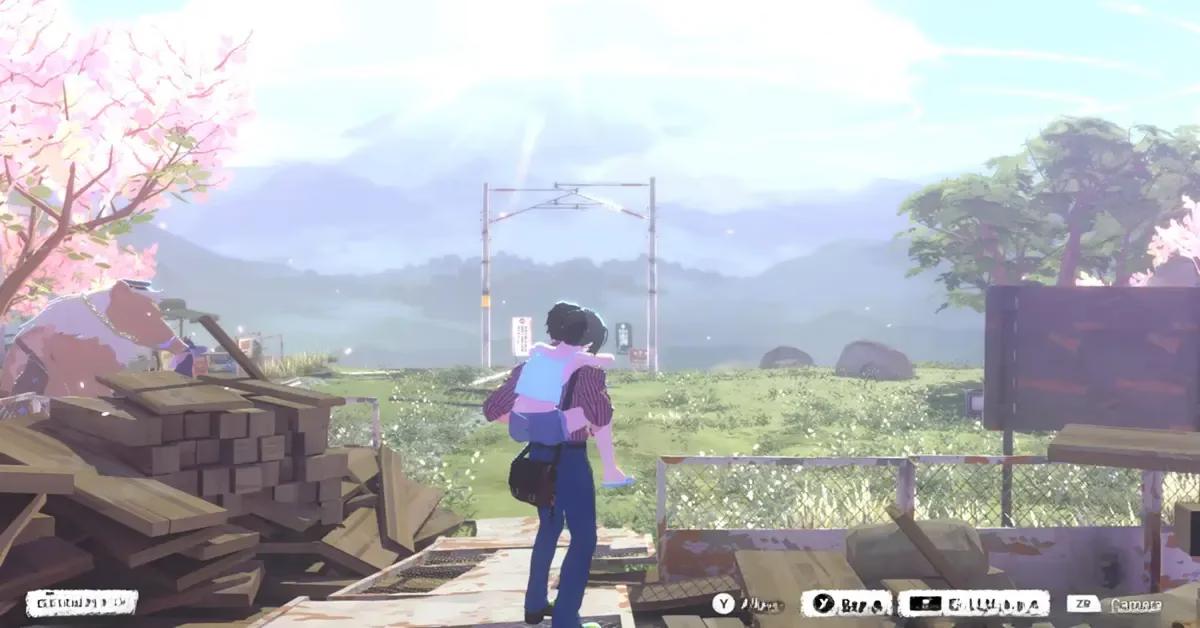
The visual style hits differently than most games out there. SIGONO went all-in on anime cel-shaded aesthetics, creating a world that looks like it stepped out of a Studio Ghibli fever dream mixed with the melancholic beauty of a fading Polaroid. The Dusklands aren't just a setting – they're a character unto themselves, breathing and shifting with every photograph you take.
Photography as Power: The Core Mechanic That Changes Everything
Here's where OPUS: Prism Peak becomes something special. Forget your swords, forget your guns, forget your magic spells. Your only tool is a camera, and every single photograph matters. Playing as Eugene, you're not conquering the Land of Bow through violence – you're preserving it through observation.
How the Camera System Actually Works
-
Memory Capture: Each photo you take isn't just a screenshot for your virtual album. It's a way to stabilize the ethereal environment around you, like pinning down a butterfly before it disappears into the ether.
-
Spirit Photography: Certain spirits only reveal themselves through the lens, creating puzzle elements that require you to frame the world just right.
-
Narrative Unlocking: Hidden story paths emerge based on what you choose to photograph and when.
-
Environmental Puzzles: The landscape itself becomes a riddle that you solve one shutter click at a time.
The gameplay loop is deliberately slow, almost meditative. It's like trying to capture the perfect sunset – you can't rush it, you can't force it, you just have to be present and patient. This methodical approach mirrors Eugene's emotional journey so perfectly that it sometimes feels uncomfortable in the best possible way.
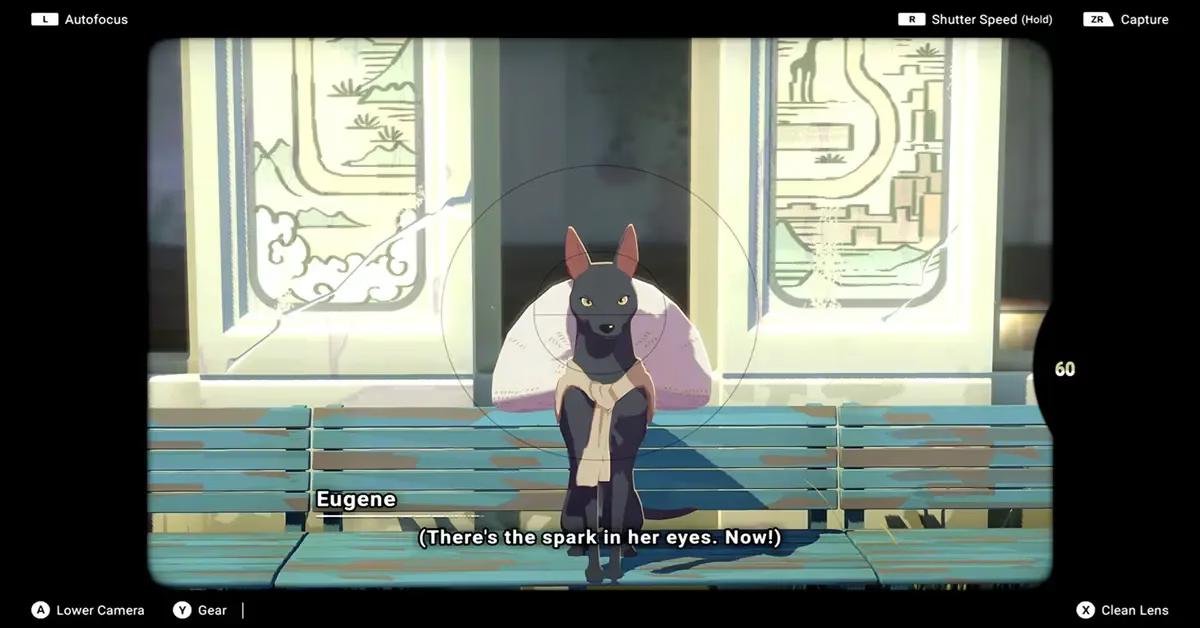
The Weight of Every Click 🎯
What really sets this apart from other photography games (looking at you, Pokemon Snap) is the emotional gravity behind each shot. This isn't about getting high scores or completing a checklist. Every photograph carries weight because it represents something fading, something precious that Eugene is desperately trying to hold onto.
The game forces you to slow down and actually look at the world. In an era where most games are designed to keep your adrenaline pumping 24/7, OPUS: Prism Peak asks you to breathe, observe, and feel. It's like comparing a rushed Instagram story to a carefully composed portrait – one is forgotten in seconds, the other stays with you.
Multiple Endings and Narrative Depth
The story branches based on your choices and what you choose to capture through your lens. I've heard from early players that there are multiple endings, each one reflecting the kind of photographer – and person – Eugene becomes throughout the journey. This isn't a linear visual novel where your choices are just window dressing. Your photographic eye shapes the narrative.
What Makes the Story Stand Out:
| Element | Description |
|---|---|
| Emotional Core | Themes of memory, loss, and preservation |
| Character Development | Eugene's growth mirrors your playstyle |
| World Building | The Dusklands reveal themselves gradually |
| Narrative Branches | Multiple paths based on photographic choices |
| Ending Variety | Different conclusions reflecting your journey |
The SIGONO Legacy: Building on Echo of Starsong
If you played SIGONO's previous work, Echo of Starsong, you'll immediately recognize the DNA here. But this isn't just more of the same – it's a technical and artistic evolution. The team took everything they learned and refined it into something sharper, more focused, more emotionally resonant.
The production values show Jonathan Wang's influence throughout. This feels like a premium experience, the kind of game that major publishers would charge triple-A prices for. The fact that it's an indie title makes it even more impressive. 🌟
The Art Direction: Where Beauty Meets Melancholy
The anime cel-shaded style isn't just an aesthetic choice – it's fundamental to how the game communicates its themes. The world of OPUS: Prism Peak exists in a state of beautiful decay, like autumn leaves that are gorgeous precisely because they're dying. The art style captures this perfectly, creating scenes that are simultaneously heartbreaking and stunning.
Every environment feels hand-crafted, every character design tells a story before they even speak. The color palette shifts with the emotional tone of each scene, using visual language that bypasses your logical brain and speaks directly to your feelings.
Who This Game Is For (And Who It Isn't)
You'll Love This If You:
-
Appreciate narrative-driven experiences over action
-
Enjoy games that make you feel rather than just react
-
Want something mechanically unique that respects your intelligence
-
Love photography or visual storytelling
-
Appreciated games like What Remains of Edith Finch or Gris
-
Are looking for multiple playthroughs with meaningful variation
This Might Not Be For You If:
-
You need constant action and quick reflexes
-
You prefer combat-focused gameplay
-
You don't have patience for slow, contemplative pacing
-
You're looking for competitive multiplayer experiences
The Technical Performance 💻
On PC, the game runs smoothly across a wide range of hardware. The cel-shaded style is actually pretty forgiving on older systems, which is a nice change from the endless parade of poorly optimized releases we've been suffering through lately. The Switch version maintains visual fidelity while making some smart compromises on resolution to keep frame rates stable.
Load times are minimal, which matters in a game like this where immersion is everything. Nothing breaks the mood faster than staring at a loading screen for 30 seconds every time you transition between areas.
Final Thoughts: Is It Worth Your Time?
Look, I'm not going to pretend OPUS: Prism Peak is for everyone. It's slow, it's contemplative, and it prioritizes emotional impact over mechanical complexity. But for those of us who are tired of the same old formula, who want games that dare to be different, this is essential playing.
The photography mechanics aren't just a gimmick – they're a lens (pun intended) through which the entire experience is focused. The narrative depth justifies multiple playthroughs, and the artistic direction creates moments that will stick with you long after you put down the controller.
Eugene's journey through the Dusklands is my journey now too, and I suspect it'll become yours as well. This is one of those rare games that reminds you why you fell in love with this medium in the first place. It's art, it's emotion, it's interactive storytelling at its finest.
If you've been following SIGONO's work, this represents their peak (another pun intended). If you're new to their style, prepare yourself for something that will redefine what you think indie games can achieve. The Land of Bow is waiting, and trust me – you'll want to capture every moment of it. 📷✨
Platform Availability
-
PC (Steam): Full release with all features
-
Nintendo Switch: Optimized port with touch screen support for handheld mode
Both versions offer the complete experience with all narrative branches and endings. The Switch version is particularly compelling for those late-night sessions where you just want to curl up and lose yourself in a beautiful, melancholic world.
This is the kind of game that doesn't come around often – one that trusts you to slow down, pay attention, and engage with it on a deeper level. In 2026, when so many games are fighting for your attention with flashy mechanics and explosive action, OPUS: Prism Peak whispers instead of shouting. And somehow, that whisper echoes louder than all the noise.
Games Mentioned
Related Articles

My Journey Through PEAK's Revolutionary Play It Your Way Update
newsSubnautica 2 Makes Waves with 2M Sales
news
Terraria's Enduring Legacy: A 2D Masterpiece That Refuses to Fade
news
Vanguard Exiles: Garfield's Diesel Punk Autobattler Arrives
news