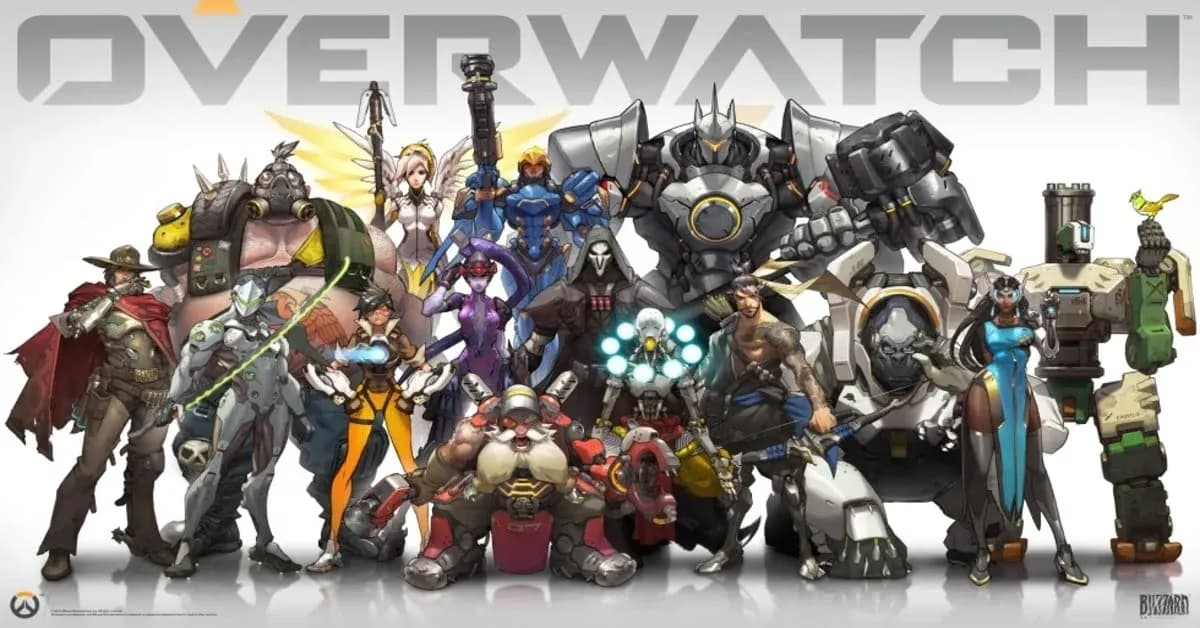
My Journey Through Overwatch: From Glory Days to Redemption
 By Erik Eriksson
I still remember the excitement I felt when Overwatch burst onto the gaming scene back in 2016. As someone who had been following Blizzard Entertainment's work for years through World of Warcraft and Diablo, I was skeptical about their venture into the hero-shooter territory. Little did I know that this colorful, character-driven multiplayer experience would completely transform my understanding of what a competitive shooter could be. Today, I want to share my personal journey with this game—from its phenomenal launch to its challenging evolution, and finally to its current state of redemption.
🎮 The Perfect Start: My First Steps into Overwatch
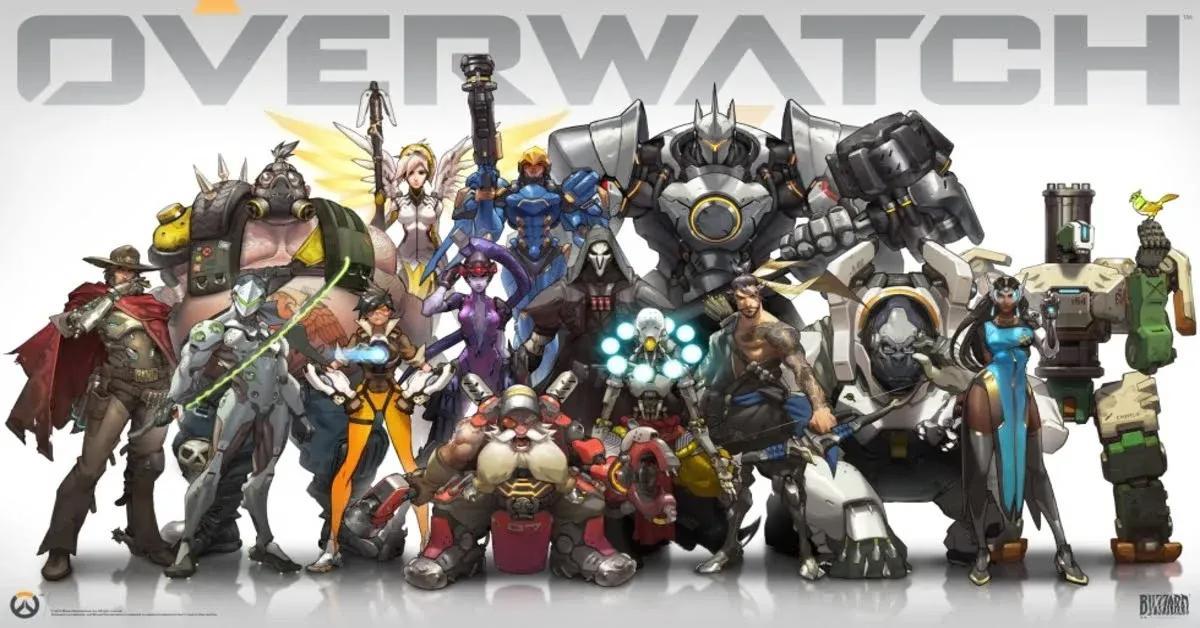
When Overwatch launched on May 24, 2016, I was immediately captivated by its vibrant aesthetic and diverse cast of heroes. Unlike the military realism that dominated shooters at the time, this game offered something refreshingly different. The initial roster of 21 playable heroes was perfectly balanced across three distinct roles: Tank, Damage, and Support. Each character felt like they belonged in their own universe, yet somehow they all worked together seamlessly.
I started my journey as a Mercy main, drawn to her healing capabilities and surprising mobility. The learning curve was gentle enough for beginners like me, yet I quickly noticed significant improvements in my gameplay. The matches were fast-paced and engaging, typically lasting between 10-15 minutes. What impressed me most was how the game prioritized team synergy over individual glory—a refreshing change from the lone-wolf mentality prevalent in other shooters.
The Unique Gameplay Formula
The core gameplay revolved around two primary modes that I grew to love:
-
Payload: Escorting an objective to its destination while the opposing team desperately tried to stop us
-
Control: Capturing and defending strategic points across beautifully designed maps
What made Overwatch special was its approach to storytelling. Instead of a traditional campaign mode, Blizzard crafted high-quality cinematics and animated shorts that revealed character backstories and motivations. I found myself eagerly awaiting each new release, immersing myself deeper into the game's lore.
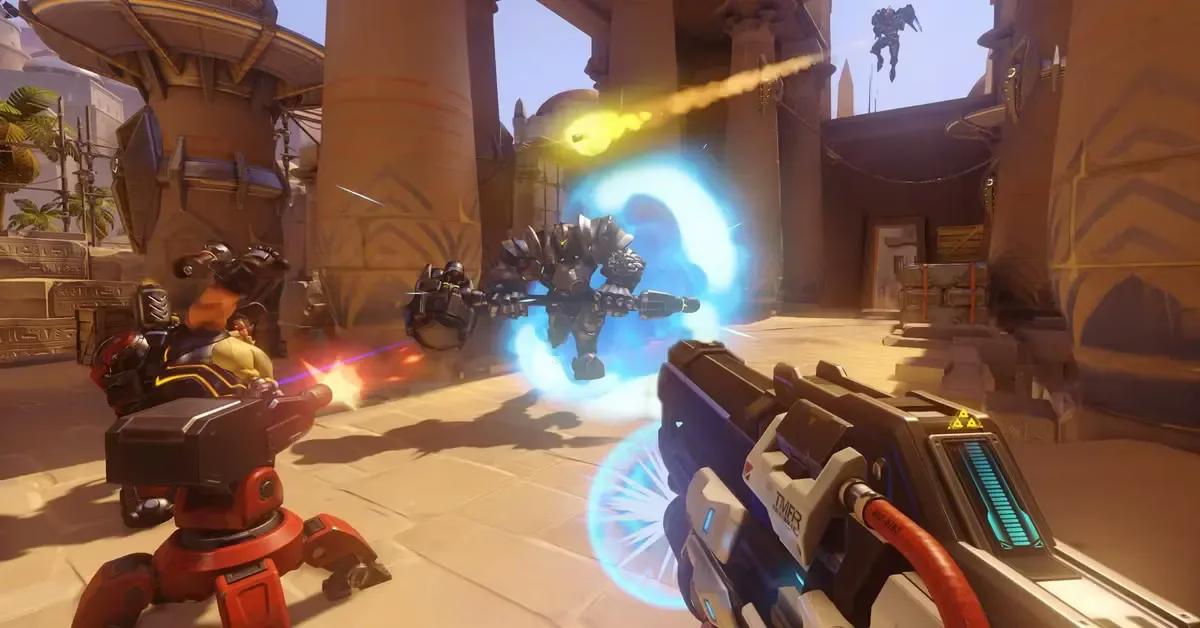
The monetization model was fair and consumer-friendly. Loot boxes contained exclusively cosmetic items—no pay-to-win mechanics whatsoever. This decision earned tremendous respect from the community, including myself. The gunplay mechanics were accessible, featuring minimal weapon spray, yet offered incredible depth through positioning strategies, ultimate ability timing, and team coordination.
🌟 The Golden Era: Living the Dream
Between 2016 and 2018, I experienced what I now consider the golden age of Overwatch. During this period, the game became my primary gaming focus, and I wasn't alone. The community exploded across multiple platforms—Reddit discussions became daily reading material, Twitter buzzed with gameplay clips, and YouTube creators built entire channels around Overwatch content.
Seasonal Events and Fresh Content
Blizzard maintained an impressive content schedule that kept me engaged year-round:
| Event | Season | Special Mode |
|---|---|---|
| Halloween Terror | Fall | Junkenstein's Revenge |
| Summer Games | Summer | Lucioball |
| Winter Wonderland | Winter | Snowball Fight |
| Archives | Spring | Story Missions |
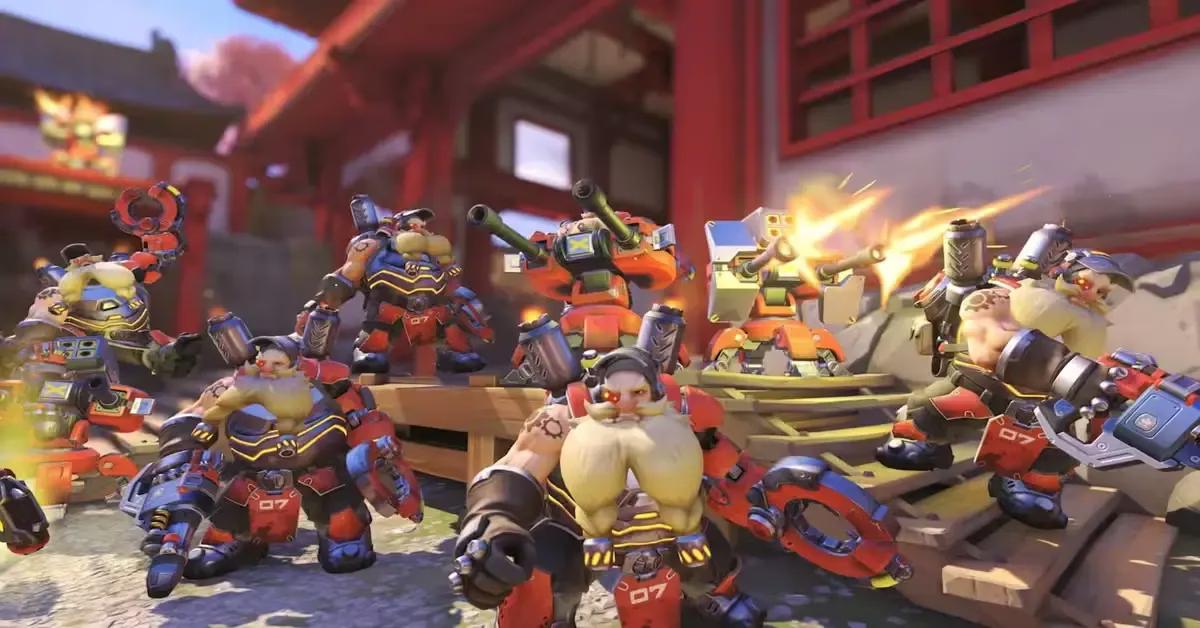
New heroes arrived every 3-4 months, each bringing unique mechanics and playstyles that forced me to adapt my strategies. The map pool expanded continuously with additions across all game modes—Assault, Hybrid, Escort, and Control. Each new map felt meticulously crafted, offering multiple strategic approaches and beautiful environmental storytelling.
During this era, I witnessed the community's creative explosion firsthand. Fan art flooded my social media feeds, impressive cosplay dominated gaming conventions, and lore theories sparked heated debates among my friends. The Living Tombstone's "No Mercy" became my unofficial Overwatch anthem, perfectly capturing the game's energy and spirit.
Meta Evolution and Competitive Growth
I experienced multiple meta shifts that dramatically changed how I approached the game:
-
Dive Meta (2017): Winston and D.Va dominated, supported by highly mobile DPS like Tracer and Genji. I had to learn aggressive positioning and faster decision-making.
-
GOATS Meta (2018-2019): The infamous 3 Tank, 3 Support composition frustrated many players, including myself. Matches became wars of attrition rather than skillful duels.
-
Role Queue Era (2019): This system stabilized team compositions and improved my competitive experience significantly.
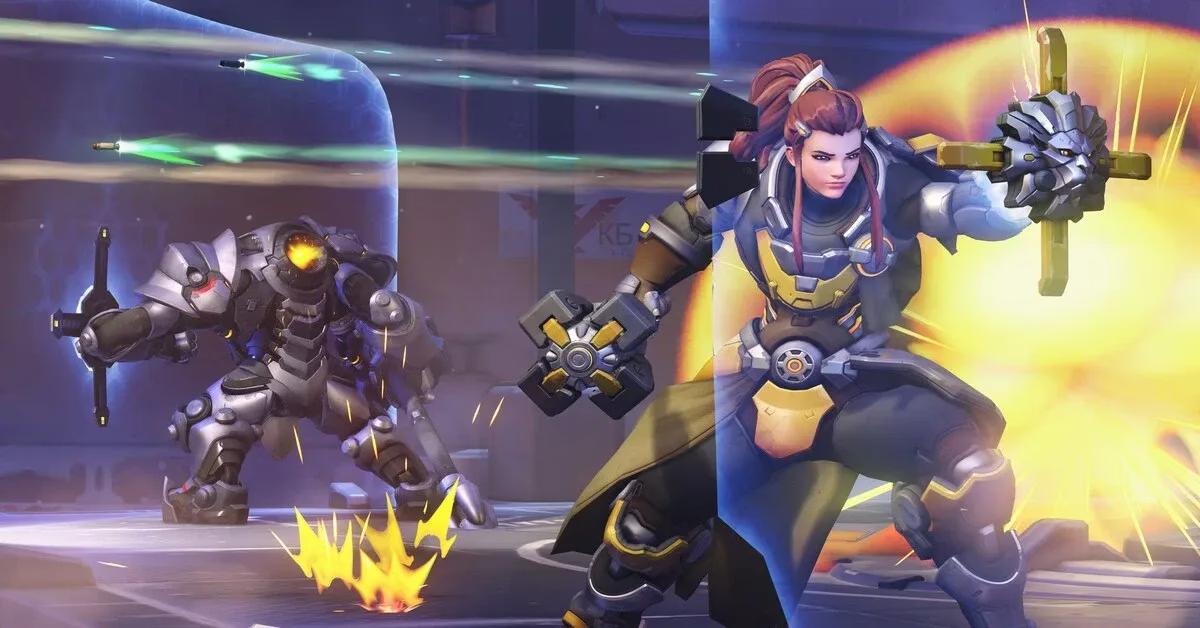
The competitive mode's Skill Rating system became my obsession. I spent countless hours climbing the ranks, analyzing my gameplay, and learning from more experienced players. The community resources available—from in-depth guides to VOD reviews—helped me improve consistently.
🏆 The Overwatch League: Ambitious Dreams and Hard Lessons
In January 2018, I watched the Overwatch League (OWL) launch with tremendous excitement. This wasn't just another e-sports tournament; it was Blizzard's attempt to revolutionize competitive gaming through a franchise system modeled after traditional sports leagues.
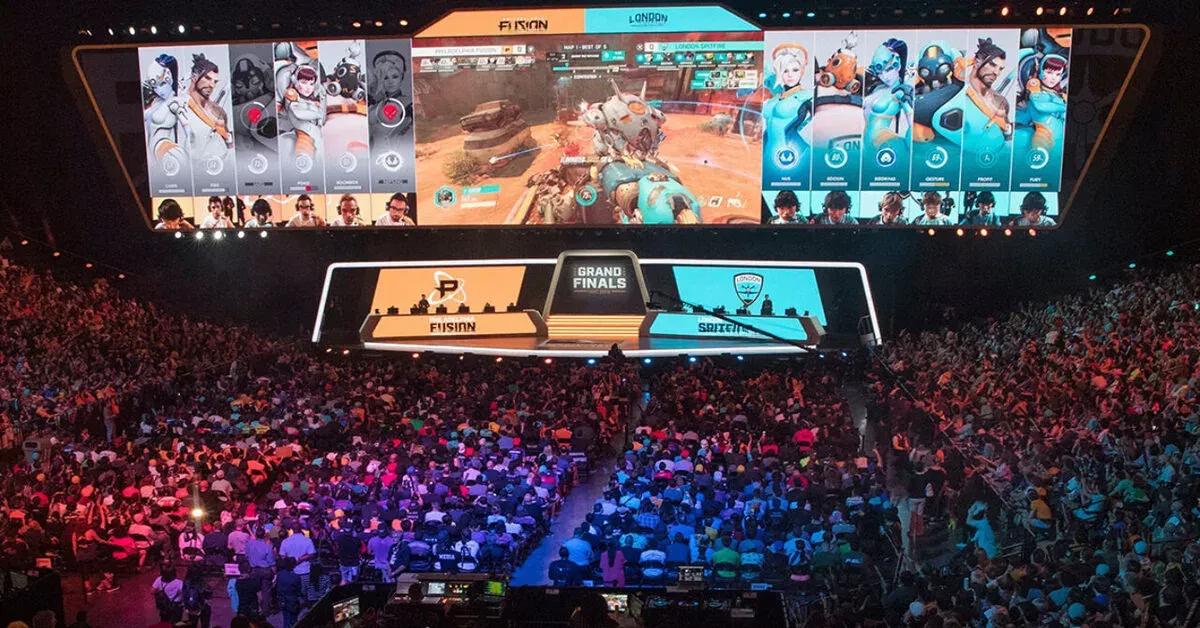
The initial investment requirements were staggering—teams reportedly paid between $20 million and $35 million per franchise slot. Massive resources went into professional studios, broadcasting infrastructure, and live home-and-away events. I attended several live matches and was blown away by the production quality and atmosphere.
The Rise and Fall
The first season captivated me and hundreds of thousands of other viewers. The exclusive Twitch streaming deal brought consistent viewership, and professional players finally received guaranteed salaries and benefits. However, cracks began appearing:
-
Meta Issues: The GOATS composition dominated professional play, making matches repetitive and frustrating to watch
-
Rigid Structure: The franchise system lacked the flexibility of open tournament formats
-
Financial Pressure: Organizations struggled with mounting costs and declining sponsor interest
By Season 3, I noticed viewership declining significantly. The COVID-19 pandemic delivered the final blow, halting live events that were central to the league's appeal. When the OWL officially shut down in 2023, I felt a mix of disappointment and understanding—the ambitious vision had outpaced sustainable execution.
💔 Overwatch 2: Broken Promises and Lost Trust
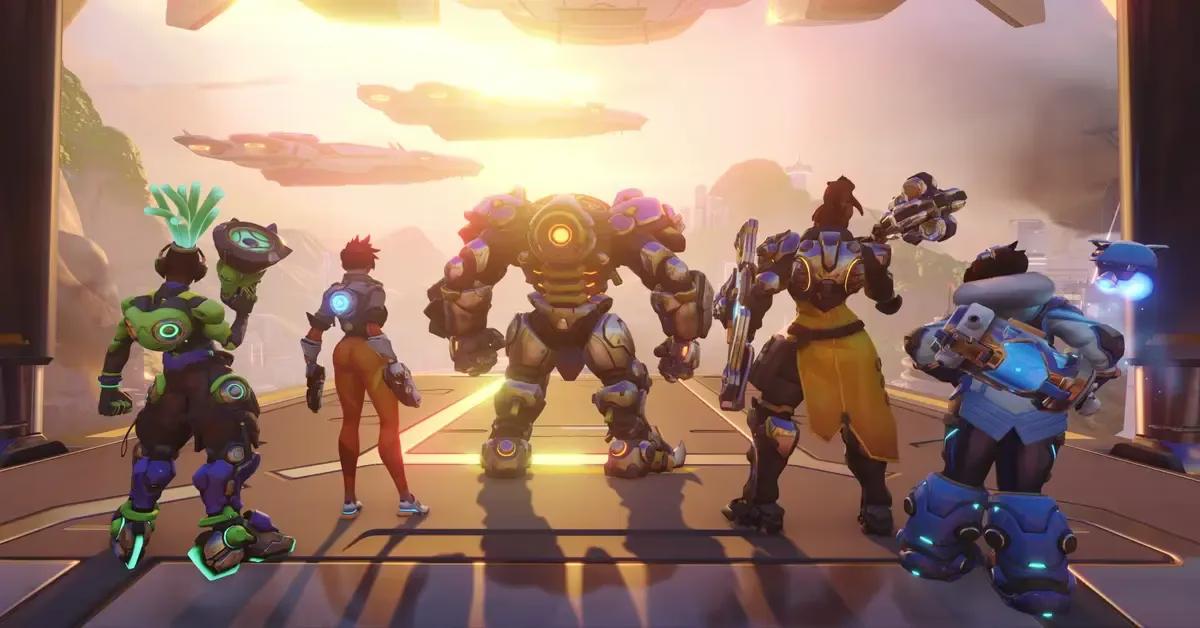
October 4, 2022, marked a turning point in my Overwatch journey—the release of Overwatch 2. The marketing had promised revolutionary changes, particularly a comprehensive PvE story mode with talent trees and co-op missions. I was cautiously optimistic, despite concerns about the transition to a Free-to-Play model.
The Controversial Changes
The most jarring change was the shift from 6v6 to 5v5 gameplay, reducing each team to a single Tank. Initially, I struggled to adapt:
Positive Aspects:
-
✅ Faster match pacing
-
✅ Clearer team fight dynamics
-
✅ Reduced shield spam
-
✅ More individual impact potential
Negative Aspects:
-
❌ Less strategic depth in team compositions
-
❌ Reduced social aspect with smaller teams
-
❌ Tank role became overwhelming
-
❌ Lost the original game entirely
The monetization changes felt particularly harsh. The new Battle Pass system replaced loot boxes, which seemed reasonable initially. However, the premium cosmetics shop featured rotating items at significantly higher individual prices. The generous progression system I had enjoyed was replaced with a grind-heavy model designed to encourage spending.
The PvE Betrayal
The cancellation of the promised PvE story mode devastated me and countless other players. This feature had been the primary justification for creating a sequel rather than continuing to update the original game. Many of us felt betrayed—we had waited years for content that would never materialize.
When Overwatch 2 launched on Steam, the community's frustration manifested in overwhelmingly negative reviews, with less than 25% positive ratings. I contributed my own negative review, expressing disappointment not with the core gameplay, but with the broken promises and questionable decisions.
🔄 The Rebranding: A Fresh Start in 2026
February 2026 brought unexpected news—Overwatch 2 was being rebranded back to simply "Overwatch." My initial cynicism gave way to cautious optimism as Blizzard outlined their vision for redemption.
The "Reign of Talon" Initiative
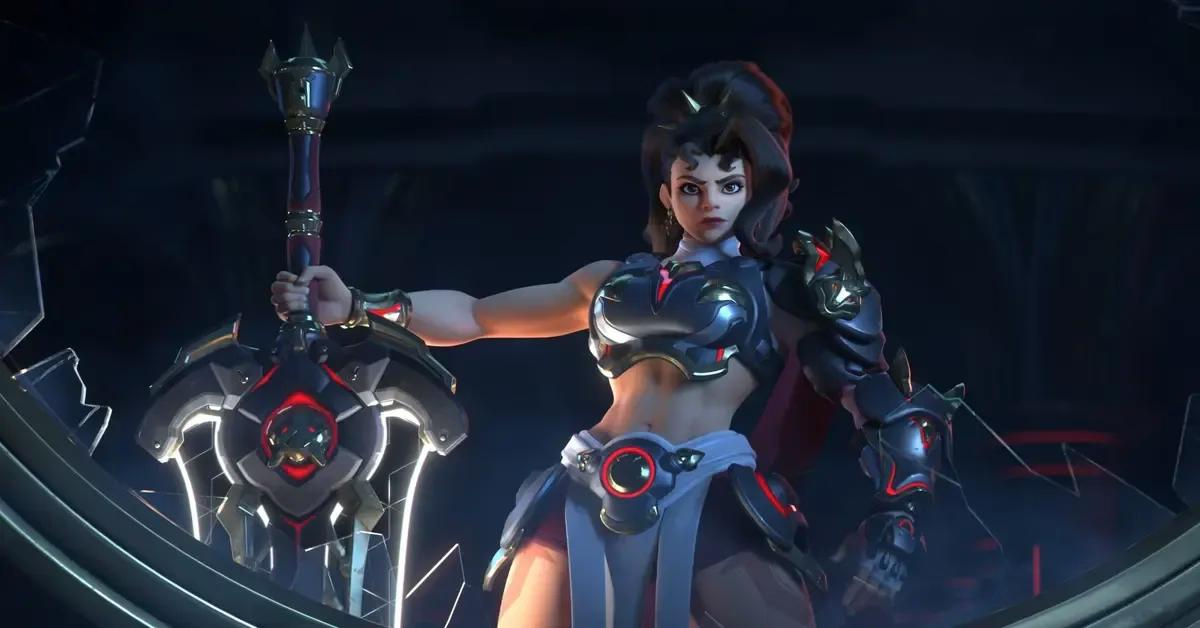
The rebranding launched alongside a year-long story arc called "Reign of Talon," finally delivering the narrative content I had craved. Blizzard committed to releasing cinematics more frequently, returning to their storytelling strengths that made me fall in love with the game originally.
Five new heroes joined the roster:
-
Domina: A strategic support with area control abilities
-
Emre: A veteran tank with traditional military tactics
-
Mizuki: A damage dealer specializing in precision strikes
-
Anran: A support focused on damage mitigation
-
Jetpack Cat: The long-awaited meme hero finally realized
The UI overhaul improved accessibility significantly, particularly for new players. The seasonal system received a complete redesign, making progression feel more rewarding and less exploitative.
Current State and Competition
The relaunch achieved notable success—a new Steam concurrent player record of over 165,000 demonstrated renewed interest. However, I recognize this doesn't match the phenomenon of 2016. The player base has stabilized into a more niche but dedicated community.
Today, Overwatch faces fierce competition:
-
Valorant: Dominates the tactical shooter space with precise gunplay
-
Marvel Rivals: Attracts players with beloved superhero characters
-
Other hero shooters: Continuously emerge, fragmenting the market
Despite these challenges, I've returned to playing regularly. The core gameplay that initially captivated me remains strong. The new content roadmap shows Blizzard has learned valuable lessons about managing community expectations and delivering consistent value.
🎯 Personal Reflections: What Overwatch Taught Me
My decade-long journey with Overwatch has taught me valuable lessons about game development, community management, and the live-service model:
The Importance of Trust
Blizzard's broken promises regarding PvE content demonstrated how quickly player trust can evaporate. Rebuilding that trust requires consistent follow-through, transparent communication, and genuine acknowledgment of mistakes.
Monetization Balance
The transition from fair loot boxes to aggressive monetization showed me how crucial balancing revenue needs with player satisfaction is. Sustainable monetization respects players' time and wallets while supporting ongoing development.
Community as Foundation
The passionate Overwatch community created incredible content, built lasting friendships, and sustained the game through challenging periods. Any successful live-service game needs to nurture and respect its community as its most valuable asset.
Evolution vs. Revolution
Overwatch 2's forced replacement of the original game taught me that evolution can be preferable to revolution. Major changes should enhance rather than replace what made a game special.
🌈 Looking Forward: Hope for the Future
As we progress through 2026, I remain cautiously optimistic about Overwatch's future. The rebranding represents more than marketing—it's an opportunity to recapture the magic that made the original game extraordinary while learning from the mistakes of Overwatch 2.
Blizzard now faces the challenge of:
-
Sustaining momentum from the successful relaunch
-
Delivering consistent content that justifies player investment
-
Balancing competitive integrity with casual accessibility
-
Competing effectively in an increasingly crowded hero-shooter market
-
Rebuilding trust through actions rather than promises
I've invested thousands of hours into this game, experienced incredible highs and frustrating lows, and watched it transform multiple times. Despite everything, the core experience that made me fall in love with Overwatch in 2016 still exists. The satisfying teamwork, the diverse hero roster, the strategic depth—these elements remain compelling.
Will Overwatch reclaim its position as the dominant hero shooter? Probably not. The gaming landscape has evolved, and competition is fiercer than ever. However, it doesn't need to dominate—it simply needs to provide consistent value to its dedicated community while attracting new players who appreciate its unique approach to the genre.
Final Thoughts 💭
Overwatch's journey mirrors the challenges facing many live-service games in 2026. It launched as an innovative phenomenon, experienced unprecedented success, stumbled through ambitious but poorly executed changes, and now fights to rediscover its identity.
My relationship with this game has matured alongside it. I no longer expect perfection or revolutionary updates—I appreciate solid gameplay, fair monetization, and respect for my time investment. The recent changes suggest Blizzard finally understands what the community values most: the core experience that made Overwatch special, supported by reasonable content updates and transparent communication.
Whether you're a veteran player like me, someone who left during the Overwatch 2 controversy, or a newcomer curious about the rebranded game, now represents an interesting time to experience what Overwatch offers. The hero shooter that once set industry standards has been humbled, learned hard lessons, and now fights to prove it still deserves a place in gaming's competitive landscape.
I'm staying for this next chapter, controller in hand, ready to see if Blizzard can deliver on their renewed promise. Sometimes, the most compelling stories aren't about flawless heroes—they're about those who stumble, fall, and find the courage to rise again. That's the story Overwatch is writing in 2026, and I'm here to see how it unfolds. 🎮✨
Games Mentioned
Related Articles

Red Dead Redemption Rides Free on Mobile: A New Era Begins
news
Phasmophobia's Thrilling Journey: 2026 Launch and Sequel Hints Revealed
news
The Last Chieftains: My Journey Through South America's Untold Stories
news
Delta Force Console Dreams: My Journey to the Waiting Room
news