My Journey into Civilization 7: A New Era Begins
 By Maja Gustafsson
So, I finally got my hands on Civilization 7, and let me tell you, it's been quite the ride! After years of playing Civ 5 and 6, I was both excited and a bit nervous about what Firaxis had in store for us. The game dropped on February 11, 2025, and it's available across PC, Mac, Linux, and all major consoles. What really caught my attention was the crossplay multiplayer feature – finally, I can play with my console buddies while I'm chilling on my Steam Deck! 🎮
I managed to jump in early thanks to the Founders Edition, which gave me access from February 6. Those extra five days? Totally worth it. I've been exploring all the new features, and boy, there's a lot to unpack here.
The Three-Era System: A Game-Changer
The biggest shake-up in Civ 7 is definitely the new three-era system. Instead of playing straight through from ancient times to the space age with one civilization, the game now divides history into three distinct periods: Ancient, Exploration, and Modern. Here's what really blew my mind – you actually switch civilizations between eras!
At first, I thought this would feel weird, like I was abandoning my empire's identity. But honestly? It's kind of brilliant. I started as Egypt in the Ancient Era, building those iconic pyramids and establishing my early empire. When I hit the Exploration Era, I transitioned to Ming China, which made total sense given my playstyle and geographic position. It's like watching history evolve organically, you know?
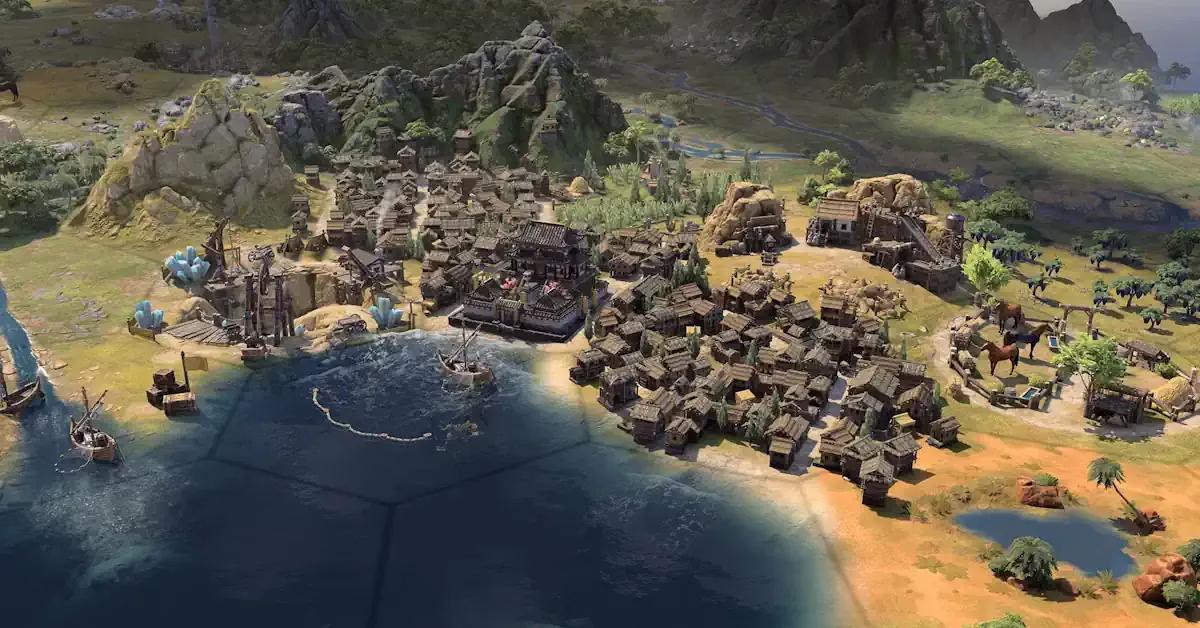
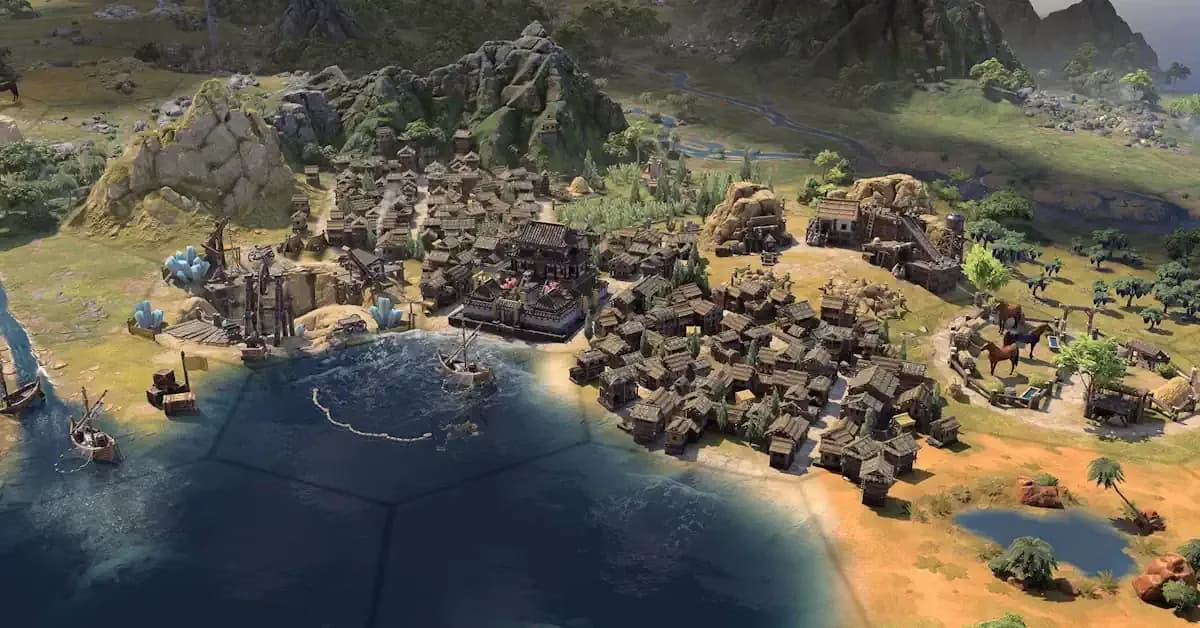
What really makes this system work are the Crisis Events. Before you can move to the next era, you have to deal with a major crisis that tests everything you've built. These aren't just random events – they're like mini-boss battles that force you to adapt your strategy. I faced a massive barbarian invasion during my Ancient-to-Exploration transition, and it completely changed how I approached my military infrastructure.
The era transitions also act as soft resets, which is actually pretty clever. Wars automatically end, city-states get restored, and you can even change your capital. It prevents those frustrating situations where you're stuck in a centuries-long grudge match that's just draining resources without getting anywhere.
Leaders Unleashed: Freedom to Choose
One of my favorite changes is how leaders work now. In previous games, if you wanted to play as Cleopatra, you were playing Egypt – end of story. But in Civ 7? Leaders are completely decoupled from civilizations!
I've been running campaigns with Niccolò Machiavelli leading completely different civilizations through various eras. The strategic possibilities are insane! Machiavelli's cunning political bonuses work brilliantly whether I'm playing as Rome, France, or even Japan. Same goes for someone like Harriet Tubman – her unique abilities can support radically different playstyles depending on which civilization you pair her with.
This freedom means I'm thinking about synergies in totally new ways. It's not just "what civilization should I play?" anymore – it's "which leader-civilization combo will give me the edge I need in this particular era?"
Gameplay Overhaul: Towns, Cities, and Everything Between
Alright, let's talk about the nuts and bolts of gameplay, because Firaxis has really thrown some curveballs here. Some of these changes took me a while to wrap my head around, but they're growing on me.
Towns vs. Cities
The new Town system was probably the hardest adjustment for me. In previous Civ games, every settlement worked basically the same way – they produced stuff, you built buildings, rinse and repeat. But now we've got Towns and Cities as distinct entities.
Towns are like your economic outposts. Instead of having production, they generate Gold, and you have to buy everything with that Gold. At first, I was like, "Wait, I can't just queue up buildings?" But then it clicked – Towns let you rapidly develop your economy without micromanaging production in every single settlement.
You can eventually upgrade Towns into full Cities with production capabilities, which creates this interesting strategic choice: Do I keep this as a Gold-generating Town, or do I need another production powerhouse? There's no one-size-fits-all answer, and that's what makes it engaging.
Goodbye Workers, Hello Automation
Here's something that'll be controversial: Workers are gone! 👋 Remember spending ages moving Workers around, manually improving every single tile? Yeah, that's history now. Border expansion automatically improves tiles, which honestly saves so much tedious clicking.
I'll admit, part of me misses the control. There was something satisfying about perfectly optimizing every tile improvement. But the trade-off is that I'm spending more time on actual strategy and less time on busywork. Not gonna lie, it's nice not having to babysit a dozen Worker units anymore.
The New Diplomatic Currency
This is one of the additions I'm really vibing with. There's now a dedicated Diplomatic Currency that you use for diplomacy, espionage, and sabotage actions. It adds a whole new layer to international relations.
Instead of just trading resources or declaring war, I'm now managing this currency to fund spy networks, conduct covert operations, or broker complex diplomatic agreements. It makes the diplomatic game feel way more substantial than before. I pulled off this elaborate scheme where I used Diplomatic Currency to fund espionage operations in three rival civilizations simultaneously, gathering intelligence that let me play them against each other. It was straight-up Machiavellian – which, given my leader choice, felt pretty appropriate! 😏
Military and Strategic Changes
The military system got some interesting tweaks too. Instead of the unit promotion system from previous games, we now have Commanders. These are special units that buff and lead your armies, kind of like heroes in other strategy games.
Commanders add a strategic element to warfare because losing one can seriously hurt your military effectiveness. I learned this the hard way when I got cocky and lost my veteran Commander in a surprise attack. Suddenly, my entire army was way less effective, and I had to scramble to promote a new Commander while defending against a counteroffensive.
Another cool addition: navigable rivers! Rivers aren't just defensive barriers anymore – you can actually move naval units up them, opening up whole new strategic possibilities. I've been using river fleets to project power deep into enemy territory, which feels pretty epic.
The district system also got simplified, which is... well, it's a mixed bag. On one hand, city planning is less overwhelming. On the other hand, I kind of miss the puzzle-like complexity of optimizing district placement. It's easier to get into now, but some of that strategic depth took a hit.
What the Community's Saying
Look, I'm going to be real with you – the reception has been pretty mixed. Major outlets like IGN and PC Gamer gave it 7/10 and 76% respectively. They appreciated the new mechanics and the gorgeous graphics (seriously, the game looks stunning on max settings), but there's been some criticism about the simplification.
A lot of hardcore Civ fans, myself included sometimes, feel like some choices dumbed things down a bit. The automatic tile improvement, simplified districts, and the era-switching mechanic all feel like they're designed to make the game more accessible to newcomers. Which, you know, isn't inherently bad! But there's definitely a segment of the community that wants that deep, complex simulation that Civ 5 and 6 offered.
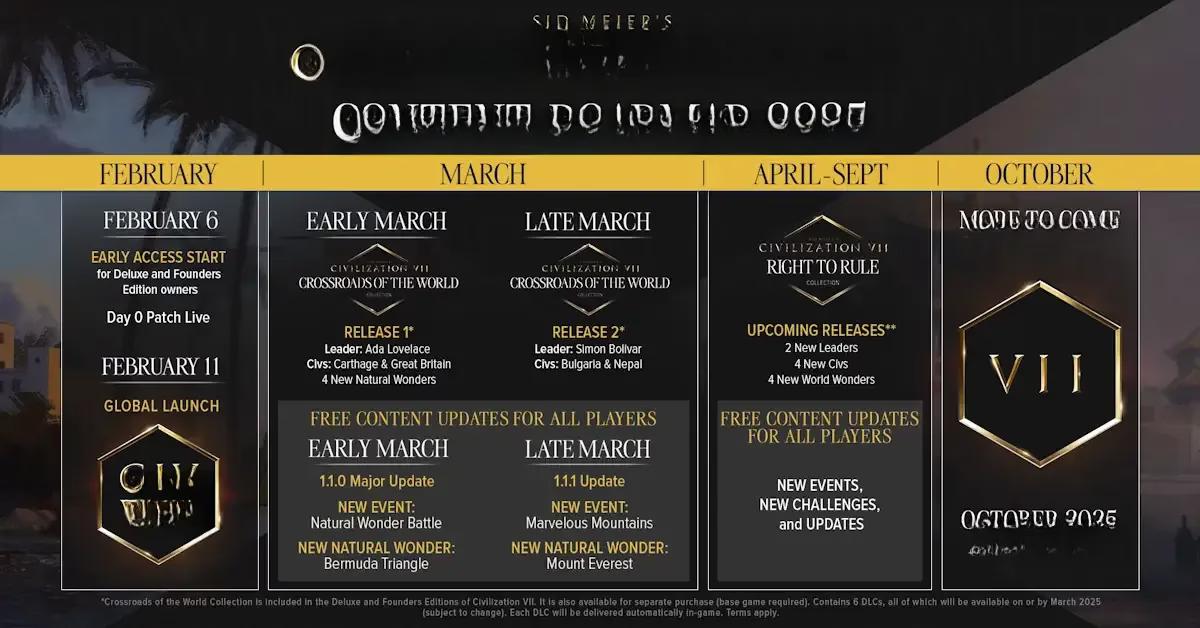
That said, Firaxis has laid out an ambitious roadmap for 2025, and they seem committed to listening to feedback and refining the formula. They're promising new civilizations, leaders, and gameplay tweaks throughout the year. I'm cautiously optimistic that the game will only get better as they iterate on it.
The Verdict: Is It Worth Your Time?
Here's my honest take after putting in way too many hours (seriously, I need to touch grass 🌱): Civilization 7 is a bold reimagining of the franchise. It's not just Civ 6 with a fresh coat of paint – it's genuinely trying to do something different.
If you're coming from Civ 5 or 6 expecting more of the same, you might be thrown off. The era system, civilization switching, and streamlined mechanics represent a significant departure from what we're used to. But if you're open to a new take on the formula, there's a lot to love here.
What I Love:
-
The three-era system creates dynamic, evolving campaigns
-
Leader flexibility opens up countless strategic combinations
-
Diplomatic Currency adds depth to international relations
-
Commanders make military campaigns feel more personal
-
Crossplay and Steam Deck support mean I can play anywhere, with anyone
-
Crisis Events provide engaging challenges between eras
What Needs Work:
-
Simplified mechanics might feel too streamlined for veterans
-
The Town/City system takes getting used to
-
Loss of manual tile improvement reduces some strategic control
-
District simplification removes some planning depth
The game isn't perfect, but it's definitely not playing it safe. Firaxis took some big swings, and while not all of them land perfectly, I respect the ambition. The foundation is solid, and with the planned updates and community feedback, I think Civ 7 has the potential to grow into something really special.
Looking Ahead
We're in 2026 now, and Civ 7 has been out for about a year. The community is still debating whether the new direction was the right call, but the game has carved out its own identity. The regular content updates have added new civilizations, refined balance, and addressed many of the launch concerns.
Whether you're a longtime Civilization veteran or someone curious about jumping into the series for the first time, Civ 7 offers something unique. It's not quite like any previous entry in the series, and that's kind of the point. History doesn't repeat itself – it evolves. And in that sense, Civilization 7 is staying true to its own theme.
So yeah, if you're on the fence, I'd say give it a shot. The worst that happens is you discover you prefer the older games (which is totally valid!). But you might just find that this new era of Civilization speaks to you in ways the previous ones didn't. For me, despite some reservations, I'm still playing it, still discovering new strategies, and still having those "just one more turn" moments at 3 AM. 🕐
And honestly? That's what Civilization has always been about – creating those moments where you lose track of time because you're so invested in your empire's story. Civ 7 delivers that in spades, just with a fresh twist on the formula. Time to build some empires and rewrite history, one era at a time!