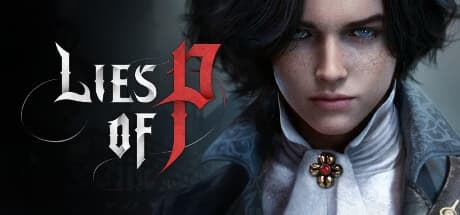
My Deep Dive into Lies of P's Dark Pinocchio Universe
 By Nils Nilsson
As a professional gamer, I've encountered countless titles that claim to reinvent classic stories, but Lies of P genuinely caught me off guard with its masterful reimagining of the beloved Pinocchio tale. This isn't your childhood fairy tale – it's a blood-soaked, morally complex journey through the plague-ridden streets of Krat, and I've been absolutely captivated by every brutal moment of it.
A Souls-Like Experience That Stands Apart
When I first booted up Lies of P, I immediately recognized the familiar DNA of Souls-like gameplay woven throughout its mechanics. The punishing combat, the strategic positioning, the risk-reward decision-making – all hallmarks of the genre I've spent thousands of hours mastering. However, what sets this game apart is how it integrates these mechanics with a narrative framework that constantly challenges my moral compass.
The combat system feels weighty and deliberate. Every swing of my weapon, every dodge roll, every parry carries consequence. I've found myself dying repeatedly to the same grotesque mechanical monstrosities, but unlike some games where death feels cheap, here it feels earned. The challenge pushes me to adapt, to learn enemy patterns, and to experiment with different weapon combinations and strategies.
The Twisted Tale of Pinocchio
What truly distinguishes Lies of P from other action RPGs is its dark reinterpretation of Carlo Collodi's classic story. I'm not guiding a innocent wooden puppet seeking to become a real boy – I'm controlling a deadly automaton navigating a nightmarish world where humanity itself has become questionable. The city of Krat serves as a haunting backdrop, filled with decay, corruption, and creatures that were once human but have transformed into something far more sinister.
The atmosphere is oppressive and compelling. Every cobblestone street, every dimly lit alley, every grand edifice tells a story of a civilization that has crumbled under the weight of its own ambitions. As I explore deeper into Krat's secrets, I uncover fragments of lore that paint a picture of a society that played god with technology and paid the ultimate price.
The Moral Complexity of Truth and Lies
One of the most innovative mechanics I've encountered is the lying system. Throughout my journey, I'm confronted with NPCs who ask questions, make requests, or probe for information. Do I tell them the truth, knowing it might hurt them? Or do I lie to protect them, to manipulate outcomes, or simply to see what happens?
These choices aren't superficial – they genuinely impact my experience. I've noticed subtle changes in how characters react to me, in the rewards I receive, and even in Pinocchio's own development. The game doesn't telegraph which choice is "correct," leaving me to wrestle with the consequences of my decisions long after I've made them.
Key Decision Points Include:
-
🎭 Choosing honesty versus deception with key characters
-
⚔️ Determining the fate of corrupted beings
-
🔧 Deciding how to use scarce resources
-
💔 Navigating relationships that blur the line between human and machine
Combat Depth and Character Customization
As someone who's dissected the combat systems of countless action RPGs, I appreciate the depth Lies of P offers. The weapon system allows me to mix and match blade types with handles, creating hybrid weapons that suit my playstyle. I can go for heavy, crushing blows or quick, precise strikes. I can emphasize elemental damage or raw physical power.
The Legion Arm system adds another layer of tactical consideration. These powerful prosthetic abilities give me ranged options, crowd control tools, and defensive capabilities that complement my melee arsenal. I've spent hours experimenting with different combinations, discovering synergies that transform challenging encounters into manageable ones.
Combat Features I've Mastered:
| Feature | Description | Impact on Gameplay |
|---|---|---|
| Weapon Assembly | Mix blade and handle | Highly customizable playstyles |
| Legion Arms | Powerful prosthetic abilities | Tactical versatility |
| Perfect Guard | Precision-timed blocking | High-risk, high-reward defense |
| Fable Arts | Special weapon techniques | Devastating offensive options |
Environmental Storytelling at Its Finest
What I've come to love about Lies of P is how much story it tells without explicitly telling me anything. The environments are meticulously crafted with details that reward exploration and observation. I've found notes, examined objects, and pieced together the tragic history of Krat through environmental clues.
The city's architecture reflects a Belle Époque aesthetic twisted by industrial horror. Grand opera houses stand abandoned, their stages now home to corrupted puppets. Workshops that once produced marvels of mechanical engineering now serve as lairs for abominations. Every location feels purposeful, contributing to the overall narrative tapestry.
Boss Encounters That Test My Skills
The boss battles in Lies of P rank among the most memorable I've experienced in recent years. Each major encounter presents a unique challenge that requires me to understand attack patterns, exploit weaknesses, and maintain composure under pressure. These aren't simply damage sponges – they're carefully designed tests of everything I've learned.
I've faced towering mechanical beasts, corrupted humans who've retained fragments of their former skills, and nightmarish creations that defy easy categorization. Some fights have taken me dozens of attempts, but the satisfaction of finally overcoming them is unparalleled. The game rewards persistence, pattern recognition, and strategic thinking over raw reflexes alone.
The Sound and Visual Design
The audiovisual presentation enhances every aspect of my experience. The soundtrack shifts seamlessly from haunting piano melodies to intense orchestral crescendos during combat. The sound design makes every clash of metal, every enemy roar, every environmental detail feel tactile and immediate.
Visually, the game maintains a consistent aesthetic that blends Victorian elegance with biomechanical horror. The character models are detailed, the animations fluid, and the special effects spectacular without being overwhelming. Even after hours of play, I still find myself pausing to appreciate the craftsmanship evident in every frame.
Building My Perfect Pinocchio
The progression system gives me meaningful choices about how to develop my character. I can invest in strength for devastating physical damage, technique for faster weapon handling, or vitality for survivability. The P-Organ system (this game's skill tree equivalent) lets me unlock passive abilities that dramatically alter my capabilities.
Character Development Options:
-
💪 Strength: Increase physical damage output
-
⚡ Dexterity: Improve attack speed and critical hits
-
🛡️ Vitality: Boost health and defense
-
🔮 Advance: Enhance Legion Arm capabilities
-
🎯 Technique: Refine weapon handling
I've experimented with different builds – from a strength-focused tank wielding massive hammers to a dexterity-based assassin with rapid-fire attacks. Each build changes not just my combat approach but how I navigate challenges throughout the game.
The Value Proposition in 2026
Considering the current gaming landscape, Lies of P represents exceptional value for action RPG enthusiasts. The depth of content, the replayability factor driven by different builds and moral choices, and the sheer quality of the experience make it a standout title. I've invested over sixty hours and still haven't exhausted everything it has to offer.
The game respects my time while still providing a substantial challenge. Checkpoints are generally fair, loading times are reasonable, and the difficulty curve, while steep, never feels insurmountable. It's the kind of game that demands dedication but rewards it generously.
Technical Performance and Polish
From a technical standpoint, my experience has been largely smooth. The game runs well on modern hardware, with stable frame rates even during intense combat sequences. I've encountered minimal bugs, and the ones I did find were minor and didn't significantly impact my enjoyment.
The user interface is clean and functional, providing all necessary information without cluttering the screen. Inventory management is intuitive, and the menus are responsive. These might seem like small details, but they contribute significantly to the overall quality of the experience.
Why This Game Resonates With Me
As a professional gamer, I've developed high standards for what constitutes a truly great game. Lies of P meets and often exceeds these standards. It's not just the mechanical competence or the visual flair – it's how everything comes together to create a cohesive, meaningful experience.
The game asks profound questions about identity, humanity, and the nature of truth. As Pinocchio, I'm not just fighting to survive – I'm fighting to understand what it means to exist, to choose, to potentially become something more than what I was created to be. These philosophical underpinnings elevate the experience beyond simple hack-and-slash gameplay.
Final Thoughts and Recommendations
For anyone who appreciates challenging action RPGs with strong narrative elements, Lies of P is essential gaming. It takes the Souls-like formula and infuses it with fresh ideas, a unique setting, and meaningful player choice. The dark reimagining of Pinocchio proves to be far more than a gimmick – it's a legitimate and compelling narrative framework.
I recommend this game to:
✅ Souls-like veterans seeking a fresh challenge
✅ Players who appreciate dark, atmospheric storytelling
✅ Gamers who enjoy deep combat systems with customization
✅ Anyone interested in morally complex narratives
✅ Fans of Victorian-inspired aesthetics with horror elements
The journey through Krat has been unforgettable. Every brutal encounter, every moral quandary, every revelation about the world and Pinocchio himself has contributed to an experience I'll remember for years to come. In a genre crowded with imitators, Lies of P carves out its own identity with confidence and style – much like the puppet protagonist seeking to become something more than wood and wire.
Games Mentioned
Related Articles

DOOM: The Dark Ages Loses Game Awards Battle Yet Wins Players' Hearts
news
Kingdom Come: Deliverance II Weekend Deal Deep Dive
news
Helldivers 2 Cyborg Invasion: Is the Meta Finally Broken?
news
GTA 6 Officially Reveals How Fishing and Hunting Will Work
news