Death Stranding 2: A Symphony of Stars and Shores
 By Tove Ström
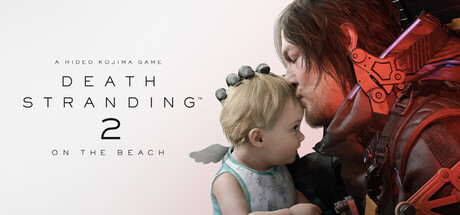
In the hallowed halls of Tokyo Game Show 2024, a vision unfolded—one that spoke of distant shores and the bridges yet to be built between souls. Hideo Kojima, the architect of dreams and digital landscapes, emerged with revelations about Death Stranding 2: On the Beach, a continuation of his poetic odyssey through a fractured world. The legendary courier, Samuel "Sam" Porter Bridges, would once again shoulder the weight of connection, traversing landscapes both beautiful and broken in this PlayStation 5 exclusive arriving in 2025.
🌊 The Magellan Sets Sail: New Horizons Beckon
The Special Stage presentation stretched beyond an hour—a generous offering of glimpses into what awaits in this second chapter. Kojima appeared alongside the Japanese voice actors who would breathe life into the game's newest inhabitants, creating a bridge between creator and performer, between vision and voice. The atmosphere crackled with anticipation as screens illuminated with four distinct scenes from the upcoming title.
Aboard the DHV Magellan, a technological marvel serving as the Drawbridge's floating headquarters, players would find sanctuary and purpose. This vessel, founded by the enigmatic Fragile, represented more than mere transportation—it embodied humanity's persistent reach across impossible distances. Here, amid humming machinery and salt-kissed air, new companions awaited introduction.
The Crew Assembles
Tarman emerged first—a figure simultaneously grounded and visionary. As pilot, captain, doctor, and geophysicist, his multifaceted expertise suggested depths yet unexplored. The convergence of practical seamanship with scientific understanding painted him as a Renaissance soul navigating post-apocalyptic waters.
Then came Dollman, perhaps the most mysterious addition to Sam's journey. Trapped within a doll's form yet radiating charisma, this character defied conventional categorization. His presence raised questions that lingered in the air like morning mist—questions about identity, consciousness, and the boundaries of being.

💫 Tomorrow and Rainy: Shadows of Future Hope
The revelation of Tomorrow and Rainy introduced a different tonality to the narrative composition. These two figures, shrouded in deliberate mystery, carried an emotional weight that transcended exposition. Rainy's pregnancy became a focal point—a symbol of life persisting against all odds, of futures imagined despite present desolation. Tomorrow's confusion in response suggested complexities in their relationship, threads of story waiting to be unraveled through gameplay.
Heartman's return added continuity to this expanding universe. Now portrayed by Danish director Nicolas Winding Refn—himself a master of atmospheric cinema—the character promised new dimensions. Refn's replacement of Darren Jacobs signaled evolution rather than mere recasting, bringing fresh interpretations to a familiar presence.
📸 Capturing Moments: The Photo Shoot Event
Amid revelations of narrative depth and character introduction, Kojima unveiled something unexpected—the Photo Shoot Event. This feature transcended typical photo modes found in contemporary games. Fragile, Rainy, and Tomorrow appeared in various poses, their animations fluid and natural, powered by an enhanced iteration of Guerrilla's Decima Engine. Kojima referred to these sequences as "Girl Time," moments of levity and connection within a world often defined by isolation.
The technical achievement deserved recognition. Motion capture technology enabled a vocabulary of gestures and expressions that felt genuinely human—small movements that conveyed personality, relationships forming in the space between frames. Yet Kojima's cryptic comment about taking "good pictures" suggested layers beyond aesthetic appreciation. The Photo Shoot Event existed separately from standard Photo Mode, hinting that player choices within these sequences might ripple outward, affecting story progression in ways yet unknown.
Key Features Revealed:
-
🎭 Enhanced Decima Engine with advanced motion capture
-
📷 Separate Photo Shoot Event system
-
🎵 Special musical sequences with Daichi Miura
-
🎪 Story-influencing photography mechanics
True to form, Kojima tucked surprises within surprises. Performing certain in-game actions would trigger a delightful sequence featuring Daichi Miura and Dollman dancing to "Horizon Dreamer"—a moment of pure joy in a universe that had known so much sorrow.

🎬 A Constellation of Talent
The stage at Tokyo Game Show became a gathering place for creative forces rarely assembled in gaming contexts. Kojima surrounded himself with the Japanese voice actors (Seiyū) who would bring the Drawbridge members to life. The roster revealed collaborations spanning continents and artistic disciplines:
The Visionaries Behind the Characters
| Character | Actor/Model | English Voice | Japanese Voice |
|---|---|---|---|
| Tarman | George Miller | Marty Rhone | Mitsuru Miyamoto |
| Dollman | Fatih Akin | Jonathan Roumie | Tomokazu Sugita |
| Tomorrow | Elle Fanning | Elle Fanning | Shion Wakayama |
| Rainy | Shioli Kutsuna | Shioli Kutsuna | Shioli Kutsuna |
George Miller—the mind behind Mad Max's wasteland poetry—lent his likeness to Tarman, bringing decades of post-apocalyptic storytelling expertise. Fatih Akin, acclaimed for films like Head-On and The Edge of Heaven, provided the foundation for Dollman's visual presence. Nicolas Winding Refn's involvement as Heartman created a director-to-director collaboration that transcended typical actor-game relationships.
The voice acting talent operated on similarly elevated levels. Tomokazu Sugita brought credentials from iconic roles: Gintoki's irreverent wisdom in Gintama, Joseph Joestar's theatrical heroism, One Piece's imposing Katakuri, Blazblue's Ragna the Bloodedge, and Persona 5's artistic Yusuke Kitagawa. His range suggested Dollman would possess unexpected depths.
Shion Wakayama's recent work in Lycoris Recoil (as Takina), Dandadan (as Momo Ayase), and Too Many Losing Heroines! (as Lemon) demonstrated versatility across genres and tones—qualities that would serve Tomorrow's mysterious character well.
Shioli Kutsuna's bilingual capabilities and previous appearances in Deadpool 2 and Deadpool & Wolverine positioned her uniquely to portray Rainy across both language versions, maintaining consistency of performance regardless of audience.
🌅 The Beach Awaits
Death Stranding 2: On the Beach promised more than sequel—it offered evolution. The original game challenged players to reconsider connection in an age of division, to find meaning in service and beauty in traversal. This continuation would build upon those foundations while exploring new thematic territories.
The title itself carried significance. Beaches in Kojima's universe represented liminal spaces—thresholds between life and death, consciousness and void. To be "on the beach" suggested proximity to transformation, to moments when everything might change. Sam's journey would navigate these edges, forging paths through uncertainty with newly forged bonds.
What Lies Ahead 🔮
-
Exploration of the DHV Magellan and its capabilities
-
Deepening relationships with Drawbridge members
-
Mysteries surrounding Dollman's condition
-
The significance of Rainy's pregnancy
-
How photo events influence narrative progression
-
Enhanced gameplay mechanics via Decima Engine improvements
The 2025 release window felt both near and distant—close enough to anticipate, far enough to wonder. PlayStation 5 exclusivity would allow Kojima Productions to maximize the console's capabilities, pushing visual fidelity and performance to create immersive experiences worthy of the narrative ambitions.
🎭 The Art of Convergence
What distinguished this presentation wasn't merely information revealed but how revelation occurred. Kojima understood spectacle—not as empty showmanship but as meaningful ceremony. Bringing voice actors on stage, allowing them to discuss characters they inhabited, created intimacy between creators and audience. The Special Stage became ritual, a shared moment of anticipation and discovery.
The fusion of filmmaking talent with gaming development continued Kojima's career-long project of elevating interactive entertainment. By involving directors like Miller, Akin, and Refn, he acknowledged games as legitimate artistic medium rather than mere derivative form. These collaborations suggested mutual respect across creative disciplines, recognition that storytelling transcended any single format.
🌟 Towards Connection
As the Tokyo Game Show presentation concluded, attendees and viewers worldwide carried away fragments of a larger vision. Death Stranding 2: On the Beach existed still as potential—a work in progress, a promise extending toward 2025. Yet within those glimpses, within character introductions and technical demonstrations, patterns emerged.
This would be a story about family found rather than given, about choosing connection despite easier isolation. Sam's journey would test not just physical endurance but emotional capacity—the willingness to trust again, to build bridges knowing they might collapse. The Drawbridge crew represented possibility, each member carrying their own burdens yet choosing collective purpose over solitary survival.
The enhanced Decima Engine would render these themes in unprecedented detail. Every raindrop, every strand of wind-blown hair, every subtle facial expression would contribute to immersion. Technology served narrative, enabling players to inhabit Sam's experience rather than merely observe it.
Kojima's games had always asked players to reconsider fundamental assumptions—about heroism, about progress, about what games could be. Death Stranding 2: On the Beach would continue that questioning, pushing boundaries while honoring what made the original resonate. The beach awaited, that liminal space between states of being. Sam would walk those shores once more, carrying hope like precious cargo, building bridges one step at a time.
In a world that often felt fractured beyond repair, perhaps such visions mattered most—reminders that connection remained possible, that distances could be crossed, that tomorrow might yet arrive despite today's despair. The game would launch in 2025, but its invitation extended beyond release dates: to imagine, to connect, to keep stranding forward.